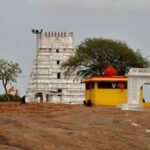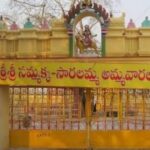
Tucked away in Maisigandi village along the Hyderabad-Srisailam Highway in Kadthal Mandal, Rangareddy district, the Maisigandi Maisamma Temple is one of Telangana’s most powerful and beloved Shakti shrines. Unlike the grand stone temples of classical dynasties, this sacred spot speaks the language of folk faith, raw, genuine, and deeply rooted in the daily lives of its devotees. Every week, thousands of pilgrims travel from Hyderabad and surrounding districts to seek blessings from Goddess Maisamma, the revered Gramadevata known for her fierce protection and maternal compassion.
Whether you are a first-time visitor or a long-time devotee, this complete guide covers everything you need to know, from the temple’s history and rituals to timings, how to reach, and the best time to visit.
Historical Background of Maisigandi Maisamma Temple
The Maisigandi Maisamma Temple does not carry a royal inscription or a fixed date of founding. Its roots lie in the ancient Gramadevata (village deity) tradition of Telangana, where communities worshipped protective goddesses near water bodies, under sacred trees, or at the borders of their settlements.
According to local oral tradition recorded by Telangana Tourism, a cowherd discovered a divine idol of Ammavaru while walking through green pastures near the village. He rushed back to inform the community, who recognized the discovery as a blessing and began worshipping the idol. This event became the founding moment of the temple.
Over time, as stories of miracles and answered prayers spread through word of mouth, the simple village shrine evolved into a structured temple complex. Community donations and the dedicated efforts of the temple trust, notably Banjara leader Panthu Naik, the founder trustee, transformed it into the well-established pilgrimage destination it is today.
The temple is believed to be well over 500 years old, with its growth closely tied to the cultural and spiritual identity of the local Banjara and Lambada communities.
Who Is Goddess Maisamma?
Goddess Maisamma is one of the most widely worshipped Gramadevatas (village guardian deities) across Telangana and parts of Andhra Pradesh. She is considered a regional manifestation of Mahakali and Adi Shakti, embodying both fierce strength and nurturing maternal energy.
The name itself is meaningful:
- “Mai” means mother
- “Amma” also means mother
So Maisamma literally translates to “the eternal mother.” In Telangana’s folk tradition, she is invoked during times of drought, disease, uncertainty, and major life transitions. Devotees believe she shields communities from:
- Illness and epidemics
- Evil forces and negative energy
- Family disputes and legal troubles
- Financial hardships and delays in marriage
Unlike Agama-style classical deities, Maisamma is seen as deeply personal, accessible, and quick to respond to genuine devotion.
Spiritual Significance of Maisigandi Temple
The Maisigandi temple holds enormous spiritual weight for the Banjara and Lambada communities. It represents the living tradition of Shakti worship where faith is expressed not through elaborate rituals but through heartfelt devotion and personal vows.
Devotees specifically visit Maisigandi Maisamma Temple seeking:
- Relief from persistent health problems
- Resolution of marriage delays
- Success in legal matters
- Protection from enemies and evil eye
- Blessings for childbirth and family welfare
- Prosperity and success in business
The temple also serves as a spiritual equalizer. People from all castes, economic backgrounds, and regions of Telangana come here together, reinforcing a sense of community through shared faith.
Temple Architecture & Layout
The Maisigandi Maisamma Temple stands apart from classical South Indian temple architecture in a beautifully distinctive way. Its design prioritizes spiritual essence over ornamental grandeur.
Key architectural features include:
- A towering Gopuram (gateway tower) that is uniquely open at the top, a feature rare among South Indian temples. Devotees believe the Goddess herself desired an open-sky sanctum, symbolizing her connection to the natural world.
- A magnificent 20-feet idol of Goddess Maisamma that commands awe and reverence the moment you set eyes on it. The idol is adorned with flowers, turmeric, kumkum, and fresh neem leaves.
- The sanctum sanctorum radiates a powerful spiritual energy that long-time devotees describe as immediate and unmistakable.
- Photography inside the sanctum is generally not permitted, preserving the sanctity of the space.
- The temple compound has ample open space, especially busy during the annual Jatara and Bonalu celebrations.
Rituals, Poojas & Offerings
The daily worship at Maisigandi Maisamma Temple follows the traditional village-style ritual pattern, distinct from the formal Agamic procedures seen in classical temples. The priests belong to the Banjara and Lambada communities, maintaining an unbroken line of ancestral worship.
Common daily rituals include:
- Abhishekam (ritual bathing of the idol) with water, turmeric milk, and rosewater
- Decoration of the goddess with fresh flowers, neem garlands, and sacred cloth
- Lighting of camphor lamps and incense throughout the day
- Chanting of folk-style devotional hymns by the Banjara priests
Devotees typically offer:
- Coconuts and lemons
- Sarees and blouses to the goddess
- Kumkum and turmeric
- Oil lamps and incense sticks
- Traditional foods as fulfillment of vows (mannat)
It is worth noting that while animal sacrifice was historically practiced in some folk shrines, the Maisigandi temple today emphasizes vegetarian offerings and symbolic devotion.
Festivals Celebrated at Maisigandi Temple
Bonalu
Bonalu is the single most important festival at Maisigandi Maisamma Temple. Celebrated during July and August, it is a thanksgiving festival where devotees offer Bonam, a ritual meal of cooked rice, jaggery, and curd, carried in decorated pots on their heads. The atmosphere during Bonalu is extraordinary, filled with traditional music, vibrant processions, and thousands of devotees expressing heartfelt gratitude.
Jatara (Annual Temple Fair)
The annual Jatara draws massive crowds from across Rangareddy district, Hyderabad, and even neighboring states. It is a multi-day celebration featuring folk performances, devotional singing, community gatherings, and special poojas. During Jatara, the temple premises transform into a vibrant open-air center of collective worship.
Batukamma Festival
Celebrated with enthusiasm by women of Telangana, Batukamma is observed at the temple with floral arrangements and traditional songs dedicated to the goddess.
Miracles & Devotee Beliefs
The reputation of Maisigandi Maisamma Temple has spread largely through personal testimonials shared among families and communities. Devotees frequently narrate experiences of:
- Sudden recovery from chronic illnesses after offering a vow at the temple
- Resolution of longstanding court cases and legal battles
- Finding suitable marriage alliances after repeated obstacles
- Newborn blessings after years of waiting for a child
- Protection from accidents and negative influences
These stories, passed down through generations and shared on social media in recent years, have turned Maisigandi from a local village shrine into a regional pilgrimage landmark. The Goddess is believed to respond directly and swiftly to those who approach with sincere faith.
Maisigandi Maisamma Temple Timings
The temple is open throughout the week. Below are the general darshan timings:
| Session | Timings |
| Morning | 6:00 AM to 1:00 PM |
| Afternoon Break | 1:00 PM to 4:00 PM |
| Evening | 4:00 PM to 8:00 PM |
On Tuesdays, Fridays, Sundays, festival days, and Amavasya (new moon day), the temple may open earlier and close later to accommodate larger crowds. The Telangana Tourism website lists official timings as 6:00 AM to 10:00 PM on special occasions.
It is always advisable to check with temple authorities at 097054 62088 before planning a visit during major festivals.
Special Days and Auspicious Occasions
Some days at Maisigandi Maisamma Temple are considered especially powerful for worship:
- Tuesdays and Fridays: Considered most auspicious for goddess worship in Telangana
- Amavasya (New Moon Day): Large gatherings of devotees seeking ancestral blessings
- Sundays: High footfall from families visiting together
- Bonalu Season (July-August): Peak pilgrimage period
- Jatara Days: Community-wide celebration with special rituals
- Navratri: Nine nights of extended prayers and cultural programs
Prasadam and Sacred Offerings
The prasadam distributed at Maisigandi Maisamma Temple is considered deeply sacred by devotees. Common prasadam items include:
- Coconut pieces and banana
- Turmeric-coated rice (Haridra Prasadam)
- Lemon and kumkum (considered highly auspicious)
- Sweet Pongal on special festival days
A unique local food experience near the temple is the famous Natu Kodi (country chicken) served with jowar roti, prepared by local Banjara tribal families. This dish, while not prasadam itself, has become an inseparable part of the pilgrimage experience for visiting families.
Cultural Importance of Maisigandi Temple
The Maisigandi Maisamma Temple is far more than a place of worship. It is a living cultural institution that:
- Preserves centuries-old Banjara and Lambada tribal traditions
- Sustains a community-led system of worship outside classical Agamic temple structures
- Provides a social gathering space where communities strengthen bonds during festivals
- Keeps alive oral traditions, folk music, and devotional art forms unique to Telangana
- Represents the pre-classical roots of Shakti worship in the Deccan region
As Hyderabad expands and urbanizes, temples like Maisigandi serve as anchors of cultural memory, reminding communities of who they are and where they come from.
How to Reach Maisigandi Maisamma Temple
The temple is located in Maisigandi village, Amangal Mandal, along the Hyderabad-Srisailam Highway, Mahabubnagar District, Telangana – 509358.
By Road (Recommended): The most convenient way to reach is by private vehicle or cab. Take the Outer Ring Road (ORR) and connect to the Srisailam Highway heading toward Kadthal. The temple is approximately 57 km from Hyderabad city center and 73 km from Secunderabad. The highway is well-maintained; the final stretch into Maisigandi village uses village roads.
By TSRTC Bus: Board TSRTC buses from Hyderabad Central Bus Station (CBS), Mahatma Gandhi Bus Station (MGBS), or Tukkuguda heading toward Kadthal or Mahabubnagar. These buses travel along the Hyderabad-Srisailam Highway and pass through Maisigandi village.
By Cab/Auto: App-based cabs (Ola/Uber) are available from central Hyderabad. Shared autos operate from Kadthal to the temple.
Nearest Metro and Railway Stations
For Maisamma Temple (city location near Secunderabad):
- Nearest Metro Station: Prakash Nagar Metro Station (C3 Blue Line), approximately 5 minutes’ walk
- Nearest Railway Station: Lingampally and Hyderabad Deccan (Nampally) for onward bus connections to the Kadthal route
Maisigandi Temple Bus Route Timings
TSRTC buses from Hyderabad to Kadthal/Mahabubnagar operate from major city bus stops including CBS, MGBS, and Tukkuguda. Early morning departures between 6:00 AM and 8:00 AM are most popular among pilgrims. The journey takes approximately 1.5 to 2 hours depending on traffic. Return buses from Maisigandi/Kadthal toward Hyderabad generally run until late afternoon or early evening. Bus schedules may vary on weekends and festival seasons, so it is recommended to confirm timings at the bus station before travel.
Secunderabad to Maisigandi Temple Distance
The distance from Secunderabad to Maisigandi Maisamma Temple is approximately 73 km by road. The recommended route is:
Secunderabad > LB Nagar > ORR (Outer Ring Road) > Srisailam Highway > Kadthal > Maisigandi Village > Temple
Travel time by private vehicle is approximately 1.5 to 2 hours depending on traffic conditions. The distance from JBS (Jubilee Bus Station, Secunderabad) to Maisigandi Maisamma Temple is approximately 74 km.
Best Time to Visit Maisigandi Temple
The temple welcomes pilgrims throughout the year. However, different times offer different experiences:
- Early Mornings (6:00 AM to 9:00 AM): Peaceful darshan with minimal crowds, ideal for personal prayer and meditation
- Tuesdays and Fridays: Spiritually auspicious, moderately crowded, special offerings made
- Bonalu Season (July-August): The most vibrant period; massive crowds but an unmatched devotional atmosphere
- Winter Months (October to February): Pleasant weather makes travel and outdoor temple visits comfortable
- Amavasya Days: Spiritually significant, draws large numbers seeking ancestral merit
Avoid peak festival hours if you prefer a quiet, personal spiritual experience. Weekday mornings outside of festival season are ideal for that.
Temple Etiquette and Dress Code
Visiting Maisigandi Maisamma Temple with proper conduct shows respect to the deity, the priests, and fellow devotees. Here is what to keep in mind:
- Wear modest, traditional attire. Sarees, salwar kameez, or dhotis are most appropriate.
- Remove footwear before entering the temple premises.
- Avoid photography inside the sanctum sanctorum.
- Maintain silence and decorum during active pooja rituals.
- Do not touch the idol or sacred items without permission from the priests.
- Switch mobile phones to silent mode inside the temple.
- Children should be supervised at all times, especially during crowded festival days.
- Carry your own water bottle as the journey from Hyderabad can be long.
Devotee Beliefs and Experiences
The power of Maisigandi Maisamma Temple is kept alive through the personal stories of its devotees. Pilgrims frequently share accounts of:
- Sudden improvement in health conditions after offering a mannat (vow)
- Recovery from financial crises following prayers at the temple
- Long-pending marriage alliances coming through after special poojas
- Successful outcomes in legal battles and court cases
- Finding a sense of peace and mental clarity simply by visiting the goddess
These testimonials, passed through families across generations, form the living legend of the temple. The belief that Goddess Maisamma listens, responds, and fulfills genuine wishes remains the strongest magnet drawing devotees from across Telangana and beyond.
Maisigandi Temple and Telangana Folk Faith
The Maisigandi Maisamma Temple is a cornerstone of Telangana’s Gramadevata tradition, a spiritual culture that predates the arrival of classical Agamic temples in the region. In this tradition:
- The deity is not contained within stone walls but connected to the land, sky, and community
- Worship is led by hereditary priests from tribal communities, not trained Agamic scholars
- Devotion is expressed through folk songs, communal cooking, and collective participation
- Festivals like Bonalu and Jatara are as much social events as religious ones
As Hyderabad’s urban sprawl continues, the Maisigandi temple remains a vital reminder of Telangana’s pre-medieval spiritual heritage. It holds the same reverence in the folk faith ecosystem as Yadagirigutta or Komuravelli Mallanna, but in a distinctly grassroots, community-driven way.
Why You Should Visit Maisigandi Maisamma Temple?
There are many reasons to make the journey to Maisigandi, whether you are a devout pilgrim or a curious traveler:
- Authentic folk Shakti experience unlike anything found in urban temples
- A 20-foot Goddess idol that leaves a lasting impression on every visitor
- The unique open-sky Gopuram, a one-of-a-kind architectural feature
- A living window into Banjara-Lambada tribal culture and devotional traditions
- The Bonalu and Jatara festivals, among the most energetic and colorful celebrations in Telangana
- Easy road access via the Srisailam Highway from Hyderabad
- The simple, non-commercial atmosphere where spirituality takes center stage
- The chance to taste traditional Natu Kodi with jowar roti served by local Banjara families
Even if you do not come as a devotee, the temple offers a genuine cultural and spiritual encounter that connects you to something far older and more rooted than the city around it.
Frequently Asked Questions
Where is Maisigandi Maisamma Temple located?
The temple is situated in Maisigandi village, Amangal Mandal, on the Hyderabad-Srisailam Highway, Rangareddy district, Telangana, about 57 km from Hyderabad city.
What are the Maisigandi Maisamma Temple timings?
The temple is generally open from 6:00 AM to 1:00 PM and 4:00 PM to 8:00 PM. On special days and festivals, it may remain open until 10:00 PM.
Which day is most auspicious to visit Maisigandi Temple?
Tuesdays and Fridays are most auspicious. Amavasya, Bonalu season, and Jatara days also draw the largest devotee gatherings.
Is there an entry fee at Maisigandi Maisamma Temple?
No, general darshan is free. Devotees may voluntarily purchase pooja items or make offerings at designated counters.
How far is Secunderabad from Maisigandi Maisamma Temple?
The distance from Secunderabad to Maisigandi Maisamma Temple is approximately 73 km by road via the ORR and Srisailam Highway.
How to reach Maisigandi Temple by bus?
Board TSRTC buses from MGBS, CBS, or Tukkuguda toward Kadthal or Mahabubnagar. Early morning buses between 6:00 AM and 8:00 AM are most convenient for pilgrims.
What is special about the idol at Maisigandi Temple?
The idol of Goddess Maisamma stands approximately 20 feet tall. The Gopuram above the temple is uniquely open at the top, a feature believed to be the Goddess’s own wish.
What festivals are celebrated at Maisigandi Maisamma Temple?
Bonalu (July-August), the annual Jatara, Batukamma, and Navratri are the major festivals celebrated with great devotion and community participation.
What should I wear when visiting Maisigandi Temple?
Modest traditional attire such as sarees, salwar kameez, or dhotis is recommended. Avoid western or revealing clothing out of respect for local customs.
Is parking available at Maisigandi Maisamma Temple?
Yes, there is open parking space near the temple complex. On festival days, parking areas fill up quickly, so arriving early is advisable.
Final Thoughts
The Maisigandi Maisamma Temple is not just a temple, it is a living, breathing expression of Telangana’s soul. From its ancient origins in Banjara folk faith to its growing recognition as a major regional pilgrimage site, this shrine proves that true spirituality does not need grand architecture to make an impact. It only needs genuine devotion and a community that believes.
If you are planning a visit, go with an open heart, respect the traditions, and take a moment to absorb the powerful energy of this sacred place. Whether you seek a specific blessing or simply wish to experience an authentic piece of Telangana’s spiritual heritage, Maisigandi Maisamma will not disappoint.
May Goddess Maisamma bless all who seek her.