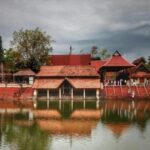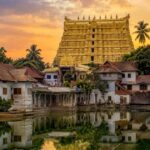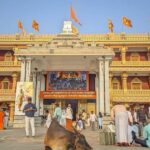
Tucked away in the Rajanna Sircilla district of Telangana, the Vemulawada Rajarajeshwara Swamy Temple is one of the most powerful and spiritually charged Shiva shrines in South India. Known affectionately as Rajanna by devoted pilgrims, this ancient temple draws millions of devotees every year who seek divine intervention, karmic cleansing, and relief from planetary afflictions.
Whether you are visiting for the first time or returning for a heartfelt pilgrimage, this comprehensive guide covers everything from temple history and architecture to darshan timings, seva prices, accommodation options, and practical travel tips. Plan your sacred journey with confidence using every detail shared here.
Vemulawada Temple Distance
Vemulawada is conveniently reachable from major cities across Telangana:
- Hyderabad to Vemulawada: Approximately 160 to 193 km via NH563. Drive time is around 3.5 to 4 hours via Siddipet and Sircilla.
- Karimnagar to Vemulawada: Around 35 to 36 km, roughly a 45-minute drive.
- Warangal to Vemulawada: Approximately 100 km.
- Nizamabad to Vemulawada: Around 120 km.
By Air: Rajiv Gandhi International Airport in Hyderabad is the nearest airport, roughly 190 km away. Cabs and TSRTC buses connect Hyderabad to Vemulawada regularly.
By Train: Karimnagar Railway Station is the closest railhead, about 35 km from the temple. From there, you can take a taxi, auto, or local bus to Vemulawada.
By Bus: TSRTC operates direct buses from Hyderabad, Karimnagar, Warangal, and Nizamabad. The Devasthanam also runs its own buses between Vemulawada and Sircilla, covering Korutla and other nearby towns at low fares.
Vemulawada Temple History
The history of Vemulawada temple stretches back over a thousand years. The town was once the capital of the Vemulawada Chalukyas, a powerful dynasty that ruled the Karimnagar region from 750 CE to 973 CE. The present temple structure is credited to these rulers, with King Arikesari II playing a central role in expanding and beautifying the shrine during its golden era.
Historical inscriptions found at the site confirm it was a thriving center for Shaiva learning and worship. The famous Kannada poet Pampa lived here as the court poet of Arikesari II and dedicated his celebrated “Vikramarjuna Vijaya” (Kannada Bharatha) to royal patronage, underscoring the cultural richness of Vemulawada during that era.
A popular legend adds a devotional layer to this history. King Raja Narendra, grandson of Parikshit, is said to have accidentally killed a Brahmin boy while hunting near a pond. Stricken with an incurable illness, the repentant king traveled on pilgrimage across the subcontinent and returned to Vemulawada. After drinking sacred water from the Dharmagundam tank and praying earnestly to Lord Shiva, the deity appeared to him in a dream. The Lord instructed him to retrieve a Shiva Lingam from the Dharmagundam and install it in a temple. The king followed the divine command, and the temple was established. The Lord also went on to be called Rajarajeshwara Swamy — the King of all Kings.
Why Vemulawada is Called Dakshina Kashi?
Vemulawada holds the revered title of “Dakshina Kashi” or the Southern Banaras. Several reasons justify this distinction:
- Just as Kashi (Varanasi) is the supreme abode of Lord Shiva in the north, Vemulawada is considered equally sacred for Shiva devotees in South India.
- Ancient Puranas are said to mention the existence of the deity here, placing it among the holiest of Shaiva shrines.
- The temple is also called “Harihara Kshetram” because both Lord Shiva (Hara) and Lord Vishnu (Hari) are worshipped within the same complex, making it rare and doubly auspicious.
- Devotees firmly believe that a pilgrimage to Vemulawada carries the same spiritual merit as a visit to Kashi itself.
- Indra, the king of the celestial beings, is believed to have purified himself from Brahmahatya dosha by devoutly worshipping the presiding deity here.
Presiding Deity: Lord Rajarajeshwara Swamy
The primary deity of the temple is Lord Shiva, worshipped here as Sri Rajarajeshwara Swamy in the form of a “Neela Lohitha Shiva Lingam” — a sacred Shiva Lingam with a distinctive dark blue-reddish hue.
Flanking the presiding deity are:
- Goddess Raja Rajeshwari Devi on the right side — the divine consort.
- Lakshmi Sahitha Siddi Vinayaka on the left — Lord Ganesha with Lakshmi.
- Nandeeshwara — the sacred bull of Lord Shiva, forever facing the deity in reverence.
Lord Rajarajeshwara Swamy is popularly addressed as “Rajanna” by devotees, reflecting the deep personal bond they share with the deity. He is believed to dispense cosmic justice, remove karmic burdens, and fulfill sincere wishes.
Sri Anantha Padmanabha Swamy serves as the Kshetra Palaka (guardian deity) of the entire temple complex.
Architecture and Temple Layout
The Vemulawada temple is a stunning example of Dravidian architecture, developed and refined by successive Chalukya rulers and later dynasties. Its towering gopuram (gateway tower), intricate stone carvings, and well-planned mandapas reflect the sophisticated craftsmanship of medieval South Indian temple builders.
The main temple complex houses several sub-shrines:
- Sri Anantha Padmanabha Swamy Temple
- Sri Seetharama Chandra Swamy Temple
- Sri Anjaneya Sahitha Kasi Visweswara Swamy
- Sri Dakshina Murthy Temple
- Sreevalli Devasena Sametha Subramanya Swamy Temple
- Sri Bala Tripura Sundari Devi Temple
- Sri Bhimeshwara Swamy Temple
- Kodanda Rama Temple
A unique feature of the complex is the presence of a dargah (tomb of a Muslim saint), symbolizing centuries of communal harmony and religious tolerance at this sacred site.
Sacred Water Bodies
Two revered water bodies sit within the temple precinct:
Dharmagundam: The holiest tank within the complex. Legend holds that drinking its water cleanses sins. It was from this very tank that the Shiva Lingam was retrieved by King Raja Narendra. Three mandapas stand on its banks, with a statue of Lord Shiva installed in the central one.
Surya Gundam: Linked to the worship of the Sun God. Devotees take ritual baths here before proceeding for darshan, believing it purifies the body and the soul before approaching the Lord.
Unique Rituals and Sevas
What sets Vemulawada apart from most temples is the deeply personal and unique set of rituals practiced here:
Kode Mokku (Bull Offering): This is the most distinctive vow of Vemulawada. Devotees promise to donate a bull to the temple once their prayers are answered — be it the birth of a child, recovery from illness, or success in a venture. The donated bulls are lovingly cared for in the temple’s own Goshala. On auspicious days, devotees walk the donated bull around the temple in a pradakshina (circumambulation) before handing it over.
Shani Dosha Nivaranam: Vemulawada is one of India’s most sought-after Shani Dosha Parihara Kshetrams (sacred sites for Saturn-related remedies). Devotees perform an oil bath, offer black sesame seeds, black cloth, and conduct special pujas to appease Lord Saturn and seek relief from his difficult influence.
Rudrabhishekam: A sacred ritual bathing of the Shiva Lingam with panchamritha (five sacred substances) and holy water, accompanied by the chanting of Rudra mantras.
Nitya Kalyanam: A daily celestial wedding ceremony performed for the Utsava deities (processional idols), celebrating the divine union of Lord Shiva and Goddess Parvati.
Suprabatha Seva: The early morning ritual that awakens the Lord at 4:10 AM, followed by Aarti and the first darshan of the day.
Pujas within the main Shiva temple follow Smartha Agama traditions, while the Vishnu temples within the complex follow the Pancharathra Agama.
Vemulawada Temple Timings
The temple is open every day of the year. General darshan timings are:
| Session | Timings |
| Morning Opening | 4:00 AM |
| Suprabatha Seva | 4:10 AM to 4:30 AM |
| Morning Sarva Darshan | 6:15 AM to 11:30 AM |
| Abhishekam | 6:15 AM to 11:30 AM |
| Nitya Kalyanam | 10:30 AM to 12:30 PM |
| Evening Darshan | 4:00 PM to 8:30 PM (approx.) |
| Temple Closing | 9:00 PM to 10:00 PM |
Important Notes:
- On Mondays and Saturdays, timings are extended to accommodate larger crowds.
- During Masa Sivarathri and Sani Pradosam days, Abhishekam runs from 6:15 AM to 2:30 PM.
- Festival days see extended hours and additional rituals. Always confirm timings before visiting on special occasions.
Vemulawada Temple – Darshan Tickets and Seva Prices
General Darshan: Completely free for all devotees. No ticket is required for basic worship at any time.
Arjitha (Paid) Sevas:
| Seva | Ticket Cost | Persons Allowed |
| Rudrabhishekam | Rs. 600 | Couple or 2 persons |
| Archana | Rs. 200 | Couple or 2 persons |
| Kumkuma Puja | Rs. 150 | Couple or 2 persons |
| Nitya Kalyanam | Rs. 1,000 | Couple or 1 person |
| Pallaki Seva (Arjitham) | Rs. 350 | Couple or 1 person |
| Sri Swamy Varla Kalyanam | Rs. 1,000 | As applicable |
Seva tickets can be booked online at the official government portal or purchased at the Arjitha Seva Counter inside the temple premises. Devotees are advised to report 30 minutes before the seva start time.
Festivals Celebrated at Vemulawada
The temple calendar is filled with vibrant festivals throughout the year:
Maha Shivaratri: The grandest festival of the year. Over five lakh devotees descend on Vemulawada for this occasion. Special rituals including Maha Lingarchana, Lingodbhava Rudrabhishekam, and Pattu Vastram offering by the state government make this a spectacle of devotion.
Sreerama Navarathrotsavams (Sri Rama Navami): Celebrated over nine days with remarkable fervor. Sri Seetharama Kalyanam and Rathotsavam on Navami day draw enormous crowds.
Karthika Masam: The entire month of Karthika (October-November) is treated as sacred. Large numbers of devotees visit daily for Abhishekam and special darshan.
Sravana Masam: The month of Sravana (July-August) sees heightened devotion, especially on Mondays.
Bonalu, Dasara, and Bathukamma: These uniquely Telangana festivals are celebrated with local tradition and cultural pride within the temple premises.
Advance Room Booking in Vemulawada Temple Online
The Telangana government has made accommodation booking more accessible for pilgrims. Here is how you can plan your stay:
Through T-App Folio (Online MeeSeva): The government provides online accommodation booking through the T-App Folio platform. Devotees can book rooms at the Sri Nandeeshwara Complex and other Devasthanam cottages through this facility.
Hotel Haritha (TSTDC): Run by the Telangana State Tourism Development Corporation, Haritha Hotel Vemulawada is located about 1.2 km from the temple and offers AC and Non-AC rooms with a restaurant, free Wi-Fi, TV, and parking. It can be booked online at the TSTDC website.
Other Accommodation Options near the Temple:
- Maheshwara Residency and Lodge (160 meters from the temple)
- Radha Vilas Lodge (500 meters)
- Sri Nilayamu (1.1 km)
- Vasavi Bhavan Arya Vyshya Satram (1.1 km)
- Various dharamshalas and private lodges
Room availability fills up quickly on festival days and weekends. It is strongly advised to book at least two to three weeks in advance for peak seasons. The Devasthanam also provides dormitory halls and choultry facilities at low rent.
Free Amenities by Devasthanam:
- Free meals (canteen at Rs. 25 for lunch and dinner)
- Free medical care at the Devasthanam Homeopathic Hospital
- Free prasadam distribution
- Cloakroom and drinking water facilities
- Changing rooms and bathing rooms for ladies at Dharmagundam
Vemulawada Temple Contact Number
For all queries related to temple timings, seva bookings, accommodation, and general pilgrim assistance, contact:
Vemulawada Temple Information Center: +91-9393939150
Temple Address: Sri Raja Rajeswara Swamy Devasthanam, Vemulawada Devasthanam Road, Rajanna Siricilla District, Vemulawada, Telangana – 505302
Shani Dosha and Saturn Worship
Vemulawada is among the most revered Shani Dosha Parihara Kshetrams in all of India. Thousands of devotees visit every Saturday specifically to perform Shani Dosha Nivaranam rituals. These rituals are especially significant for those running through the Sade Sati period (seven-and-a-half-year Saturn cycle) or the Ashtama Shani phase.
The key steps of Shani Dosha Nivaranam at Vemulawada include:
- Taking a ritual oil bath (using sesame oil) before entering the temple.
- Offering black sesame seeds, black cloth, and black lentils to the deity.
- Performing special Abhishekam to the Shiva Lingam.
- Lighting sesame oil lamps and circling the sanctum nine times.
Lord Rama himself is said to have visited Vemulawada to perform Shani Dosha Nivaranam after defeating Ravana, making this tradition both mythologically rich and spiritually significant.
Dress Code and Temple Etiquette
The temple follows a respectful dress code:
- Men: Dhoti, pancha, kurta-pyjama, or any traditional Indian attire. Men must remove their shirt and vest during Abhishekam seva.
- Women: Saree, half saree, salwar kameez with dupatta, or any decent traditional outfit.
- Western clothing such as shorts, sleeveless tops, and miniskirts is not permitted inside the sanctum.
General Etiquette:
- Photography and videography are strictly not allowed inside the temple.
- Mobile phones should be kept on silent mode.
- Carry extra clothing if you plan to take the ritual oil bath.
- Follow the queue system patiently during busy days.
- Footwear must be removed before entering temple premises.
Accommodation and Facilities
Vemulawada offers a range of accommodation for all budgets:
- Devasthanam Guest Houses: Budget-friendly cottages managed by the temple trust. Book via MeeSeva or the official portal.
- Hotel Haritha (TSTDC): AC and Non-AC rooms with quality food, Wi-Fi, and parking. Located 1.2 km from the temple.
- Private Lodges and Dharamshalas: Numerous options within walking distance of the temple, offering affordable stays.
The Devasthanam maintains Sulabh Complex toilets, a sanitation team, a free homeopathic hospital, and continuous drinking water supply for pilgrims.
Best Time to Visit
The ideal months to visit Vemulawada are October through March, when the weather in Telangana is mild and comfortable. Avoid summer afternoons from April to June, as temperatures can be extreme.
- Mondays and Saturdays are most auspicious for Shiva and Shani worship respectively, but expect long waiting times.
- Maha Shivaratri and Karthika Masam are the peak pilgrimage seasons with exceptional spiritual energy.
- For a quieter, more personal darshan experience, weekday mornings between Tuesday and Thursday are ideal.
Nearby Temples and Attractions
While in Vemulawada, devotees and tourists can also visit these sacred and scenic spots:
- Kondagattu Anjaneya Swamy Temple – Around 28 km away, a famous Hanuman shrine perched on a hill.
- Lakshmi Narasimha Temple – Approximately 4.3 km from the main temple.
- Elgandal Fort – A historic hilltop fort around 24 km from Vemulawada.
- Lower Manair Dam (Alugunur) – A scenic reservoir approximately 37.5 km away.
- Nagunur Fort – A heritage site worth exploring.
- Baddi Pochamma Temple – A local goddess temple in Vemulawada town.
- Agraharam Hanuman Temple – Located nearby and closely associated with the Vemulawada pilgrimage circuit.
Travel Tips for Devotees
Planning a smooth pilgrimage to Vemulawada is straightforward when you keep these practical tips in mind:
- Start your darshan as early as possible. Arriving by 5:00 AM ensures a peaceful experience before crowds build up.
- Carry extra clothing for the ritual oil bath, especially if you plan to perform Shani Dosha Nivaranam.
- Book seva tickets and accommodation in advance, particularly for festival seasons and Mondays.
- Carry valid photo ID proof for accommodation check-in.
- The canteen inside the Devasthanam serves wholesome meals at just Rs. 25 — make use of it.
- Locker and cloakroom facilities are available, so you can store your belongings safely.
- TSRTC bus services to Vemulawada are frequent from Hyderabad and Karimnagar, making public transport a cost-effective option.
Spiritual Experiences and Devotee Beliefs
Thousands of devotees report that their prayers at Vemulawada were answered within months of their visit. The strong belief surrounding Kode Mokku — where devotees fulfill a vow by donating a bull after their wish is granted — is a powerful testament to the faith the Lord inspires. Many share experiences of miraculous recoveries, marital blessings, career breakthroughs, and resolution of long-standing family disputes after sincere prayers at this shrine.
Devotees also speak of a palpable sense of peace and divine presence near the Dharmagundam, especially during early morning hours when the only sounds are temple bells and the chanting of Vedic hymns.
Cultural Importance of Vemulawada
Beyond its spiritual identity, Vemulawada is a living museum of Deccan history. The Vemulawada Chalukyas left behind rock-cut inscriptions, temple sculptures, and architectural marvels that historians and archaeologists continue to study. The coexistence of Shaiva, Vaishnava, and Sufi traditions within the same sacred space speaks volumes about the inclusive culture that flourished here for over a millennium. The temple has also been an important patron of classical Telugu and Kannada literature, with poets like Pampa finding royal support within its precincts.
Frequently Asked Questions (FAQ)
What is the entry fee for Vemulawada Temple?
General darshan is completely free for all devotees. Paid sevas range from Rs. 150 to Rs. 1,000 depending on the ritual.
What are the visiting hours of Vemulawada Temple?
The temple opens at 4:00 AM and closes around 9:00 to 10:00 PM daily, with extended hours on Mondays, Saturdays, and festival days.
How do I book a room at Vemulawada Temple online?
You can book accommodation through T-App Folio (online MeeSeva) or by calling the temple helpline at +91-9393939150.
What is Kode Mokku at Vemulawada Temple?
Kode Mokku is a sacred vow where devotees donate a bull to the temple after their prayers are fulfilled. The bulls are cared for in the temple Goshala.
What is the best time to visit for Shani Dosha relief?
Saturdays, Sani Pradosam days, and during the Sani Thrayodasi period are the most auspicious times for Shani Dosha Nivaranam rituals.
Is photography allowed inside Vemulawada Temple?
No, photography and videography are strictly not allowed inside the temple premises.
How far is Vemulawada from Hyderabad?
Vemulawada is approximately 160 to 193 km from Hyderabad, about a 3.5 to 4 hour drive via NH563.
Final Thoughts
The Vemulawada Rajarajeshwara Swamy Temple is far more than a place of worship. It is a spiritual sanctuary where centuries of devotion, mythology, poetry, and architectural genius converge into a single, transformative experience. Whether you seek relief from Saturn’s influence through Shani Dosha Nivaranam, wish to fulfill a sacred vow through Kode Mokku, or simply want to stand in the presence of Lord Rajanna and offer a sincere prayer, Vemulawada never fails to deliver.
Plan your visit thoughtfully, respect the temple’s customs, and arrive with an open heart. The Lord of Vemulawada has been answering the prayers of devotees for over twelve centuries — and He is ready to hear yours too.

Theodore Henry is the founder and administrator of TravelsHexa.com, where he shares reliable travel guides, destination insights, and practical tips to help travelers plan memorable journeys. Passionate about exploring new places, Theodore focuses on providing well-researched, accurate, and easy-to-follow travel content that inspires readers to travel smarter and with confidence.