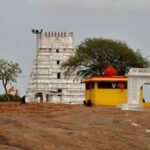
India is home to thousands of sacred temples, but very few manage to blend spiritual depth, architectural creativity, and mythological grandeur the way Bhukailash Temple in Tandur does. Located in the Vikarabad district of Telangana, this remarkable shrine dedicated to Lord Shiva draws thousands of pilgrims and curious travelers every year. Whether you are a devout Shiva worshipper, a heritage explorer, or someone seeking inner peace, Bhukailash Temple Tandur offers an experience that stays with you long after you leave.
Introduction to Bhukailash – Meaning and Spiritual Concept
The name “Bhukailash” carries a profound spiritual meaning. It is a combination of two Sanskrit words: “Bhu” meaning Earth, and “Kailash” referring to the sacred Mount Kailash in the Himalayas, the eternal abode of Lord Shiva. Together, Bhukailash translates to “Kailash on Earth” – a concept that reflects the ambition of bringing the divine energy of the Himalayas to the plains of Telangana.
This concept is not new in Hindu tradition. Throughout India, several temples have been built to replicate the spiritual essence of Mount Kailash for devotees who cannot undertake the physically demanding pilgrimage to the Himalayas. Bhukailash Temple in Tandur takes this vision a step further by creating an immersive, water-integrated experience that makes every visitor feel connected to the divine realm of Shiva.
Bhukailash Temple Tandur Location
Bhukailash Temple is officially known as Bhukailash Dwadasha Devasthanam. It is situated at Antharam Thanda, approximately 5 kilometers from Tandur town, in the Vikarabad district of Telangana, India. The PIN code of this area is 501141.
The temple sits on more than five acres of lush, green land, offering a serene and naturally beautiful environment that complements its spiritual character. Its location is easily accessible from Hyderabad, making it a popular weekend pilgrimage destination for city dwellers and devotees from across Telangana and neighboring Andhra Pradesh.
Bhukailash Temple Tandur History
The story of Bhukailash Temple is as inspiring as the temple itself. The credit for this magnificent spiritual project goes to Pawar Vasu Naik, a devoted follower of Lord Shiva and a native of Antharam Thanda village.
In the year 2001, Pawar Vasu Naik undertook a pilgrimage to the famous Pashupatinath Temple in Kathmandu, Nepal. So deeply moved was he by the spiritual atmosphere there that he stayed for nearly four years, immersing himself in temple service and devotional activities. During this period, he envisioned building a temple in his native village that would capture the spiritual essence of Pashupatinath and allow local devotees to experience it without traveling abroad.
Upon returning to Telangana, Vasu Naik, along with his brothers, channeled 50 percent of their real estate business income into funding this dream project. They supplemented construction costs with generous donations from devotees and well-wishers across the region.
Construction began with great devotion and meticulous planning. The project spanned nine years, and the temple was formally opened to the public in 2010. Built on over five acres of land, the temple complex has since grown into one of the most distinctive Shiva pilgrimage centers in South India.
Mythological Significance of Bhukailash
In Hindu mythology, Mount Kailash is more than a physical mountain. It is the cosmic throne of Lord Shiva, where he meditates eternally alongside Goddess Parvati. The mountain is considered the axis of the universe, the point where the earthly and divine realms meet.
By replicating this sacred space on Earth, Bhukailash Temple invites devotees to experience the same divine vibrations without the need for an arduous Himalayan journey. The presence of 12 Jyotirlinga replicas within the temple complex adds tremendous mythological weight. The original 12 Jyotirlingas are scattered across India, and traditionally a devotee must visit all twelve to receive complete divine blessings. Bhukailash Temple brings all twelve together in one sacred space, making this spiritual journey possible for every pilgrim.
Architecture and Temple Layout
The architecture of Bhukailash Temple is one of its most distinguishing features. The design draws inspiration from the Pashupatinath Temple of Nepal while incorporating elements of South Indian temple architecture. The result is a unique fusion that feels both familiar and extraordinary.
Key architectural highlights include:
- A towering 65-foot idol of Lord Shiva, which serves as the dominant landmark of the complex and is visible from a considerable distance
- A 35-foot statue of Lord Hanuman, standing as a powerful guardian figure within the premises
- A sacred underground water channel where replicas of all 12 Jyotirlingas are consecrated beneath ankle-deep water
- Subsidiary shrines dedicated to Veerabhadra, Anjaneya, Kalabhairava, Vinayaka, Tuljabhavani, Kalika Devi, Lord Ganesha, Lord Ayyappa, Radha Krishna, Lord Dattatreya, Lord Venkateshwara, Lord Raghavendra Swamy, Lord Saibaba, Goddess Ambabhavani, and Lakshmidevi
- A spacious courtyard adorned with lush green trees, creating a naturally calming environment
- A pond and swimming pool area that adds to the tranquility and charm of the complex
- A well-maintained function hall and residential rooms for pilgrims staying overnight
The temple complex functions as a comprehensive spiritual and social hub, not merely a place of worship.
Daily Rituals and Worship
Daily worship at Bhukailash Temple follows the traditional Shaiva ritual calendar. The temple priests conduct regular pujas at sunrise, midday, and evening, following Agamic traditions.
Typical daily rituals include:
- Suprabhata Seva (early morning awakening puja)
- Abhishekam (sacred bathing of the Shivalinga with milk, honey, water, and other offerings)
- Alankaram (decoration and adornment of the deity)
- Naivedyam (offering of food to the deity)
- Deeparadhana (waving of sacred lamps)
- Rathri Seva (evening lamp ceremony before closing)
The most unique ritual at this temple is the water-path darshan, where devotees walk through ankle-deep water past replicas of all 12 Jyotirlingas before reaching the main sanctum. This experience is spiritually significant and deeply moving for most visitors.
Bhukailash Temple Tandur Ticket Price
Bhukailash Temple charges a nominal entry fee to help maintain the complex and its facilities.
| Category | Fee |
| General Entry (per person) | Rs. 100 |
| Children (below 5 years) | Free (usually) |
| Special Darshan | Varies |
The entry fee was previously around Rs. 40 per person, but has been revised to approximately Rs. 100 per person in recent updates. Some visitors have noted that the ticket may include a meal token. Prices may vary slightly during major festivals and special events, so it is advisable to confirm at the temple counter upon arrival.
Major Festivals Celebrated
Bhukailash Temple transforms into a vibrant spiritual hub during festivals. The energy during these celebrations is electric, with devotees arriving from across Telangana, Andhra Pradesh, Karnataka, and Maharashtra.
Maha Shivaratri Brahmotsavam
This is the grandest festival of the year at Bhukailash Temple. The celebrations last through the night with special abhishekams, bhajans, cultural performances, and mass prayers. Thousands of devotees gather to observe night-long vigils in honor of Lord Shiva.
Shravan Maas (Holy Month of Lord Shiva)
The entire month of Shravan (July-August) is considered supremely auspicious for Shiva worship. Special pujas and abhishekams are conducted daily throughout this month.
Pradosha Vrat
Observed twice a month on the 13th lunar day (Trayodashi), Pradosha Vrat is highly auspicious for worshipping Lord Shiva. The temple sees increased footfall on these days.
Kartika Masam
The holy month of Kartika (October-November) brings special lamp-lighting ceremonies and group prayers to the temple.
Spiritual Benefits of Worship
Devotees who visit Bhukailash Temple regularly speak of profound spiritual experiences. According to traditional belief and the testimony of pilgrims:
- Seeking darshan at all 12 Jyotirlinga replicas in one visit is believed to grant the same merit as visiting all 12 original Jyotirlingas across India
- Sincere prayers here are believed to fulfill vows (locally called “mokku”)
- The sacred water channel walk is said to purify the body and mind
- Regular worship is believed to bring relief from suffering, stress, and worldly anxieties
- The serene environment itself promotes mental calm and emotional healing
Bhukailash Temple Tandur Timings
Planning your visit requires knowing the temple’s operating hours to avoid missing the darshan or key rituals.
| Session | Timings |
| Morning Opening | 6:00 AM |
| Afternoon Closing | 12:00 PM |
| Evening Opening | 4:30 PM |
| Night Closing | 8:00 PM |
Note: Timings may be extended during festivals, especially Maha Shivaratri, when the temple remains open through the night. It is always advisable to confirm current timings directly with the temple management, especially during festival seasons.
How to Reach Bhukailash Temple Tandur
Reaching Bhukailash Temple is convenient thanks to Tandur’s strong connectivity across multiple modes of transport.
By Road
Tandur is well-connected to Hyderabad and other major cities via National Highway and state highways. The temple is approximately 110 to 130 kilometers from Hyderabad. You can drive via NH44 (Hyderabad-Bengaluru Highway) and reach Tandur comfortably in 2 to 2.5 hours. From Tandur town, Antharam Thanda is about 5 km further. Auto-rickshaws and local taxis are available from Tandur to the temple.
By Train
The nearest railway station is Tandur Railway Station, which falls on the Secunderabad-Wadi railway line. Several trains connect Secunderabad and Hyderabad to Tandur. From the station, the temple is reachable by local transport.
By Air
The nearest airport is Rajiv Gandhi International Airport, Hyderabad, located approximately 110 to 130 kilometers from the temple. From the airport, you can hire a cab or take a train to Tandur.
Best Time to Visit
Telangana experiences a hot and dry climate for most of the year, so timing your visit wisely enhances the experience.
- October to February is the most recommended period. The weather is cool and pleasant, ideal for both sightseeing and outdoor temple activities.
- Maha Shivaratri season (typically February or March) is perfect for those who want to witness the grandest celebration at the temple.
- Early mornings on any day offer the most serene and uncrowded darshan experience.
- Avoid peak summer months (April to June) as temperatures can be extreme in this region.
Temple Etiquette
Respecting the sanctity of the temple ensures a positive experience for all visitors.
- Dress modestly and conservatively. Avoid sleeveless or revealing clothing.
- Remove footwear before entering the temple premises.
- Maintain silence or speak softly inside the sanctum and near the water channel.
- Do not carry leather items (belts, bags) into the main shrine area.
- Photography may be restricted in certain areas; check with temple staff.
- Avoid consuming non-vegetarian food or alcohol in and around the temple premises.
- Follow the queue system patiently, especially during festivals.
Nearby Attractions
While visiting Bhukailash Temple, you can explore these nearby destinations:
- Panchamukhi Hanuman Temple – A revered shrine dedicated to the five-faced form of Lord Hanuman, located near the main temple complex.
- Kalika Devi Temple – A powerful shrine dedicated to Goddess Kalika, known for her fierce and protective energy.
- Kothlapur Yellamma Temple – The famous Renuka Yellamma Temple near Tandur, drawing devotees from across the region.
- Bugga Rameshwaram Temple – Sri Bugga Ramalingeshwara Swamy Temple in Vikarabad, another significant Shiva shrine.
- Tandur Town – Explore the local market, food stalls, and historic stone quarry culture that Tandur is famous for.
Devotee Experiences
Visitors consistently describe Bhukailash Temple as one of the most emotionally and spiritually fulfilling places they have visited. Common themes in devotee testimonials include:
- A deep sense of calm and peace that descends the moment they enter the premises
- A tangible spiritual vibration experienced in the sanctum, especially during abhishekam
- The walk through the water channel past the 12 Jyotirlingas described as “transformative” and “unlike anything else”
- Emotional release and a feeling of burdens lifting after sincere prayers
- The lush green surroundings making the visit feel like a retreat from city stress
Many devotees return annually, particularly for Maha Shivaratri, and bring their families along as a tradition.
Cultural Importance
Beyond its religious role, Bhukailash Temple plays a vital part in preserving regional Shaiva traditions and promoting community welfare. The temple complex actively supports local cultural activities and social service initiatives.
The construction of this temple also demonstrates the power of individual devotion and community effort. The fact that a single family’s vision, supported by local donations, gave birth to such a monumental project speaks volumes about the living faith of the people of Telangana.
The temple also contributes to local tourism and the economy of Tandur, generating livelihoods for local vendors, transport operators, and hospitality workers.
Why Bhukailash Temple is Unique
Several features set Bhukailash Temple apart from thousands of Shiva temples across India:
- All 12 Jyotirlingas in one place – Rare and spiritually significant, making it a one-stop pilgrimage destination.
- Water-path darshan – Devotees walk through a sacred water channel to reach the deity, a unique experience found in very few temples in India.
- Inspired by Pashupatinath, Nepal – The direct spiritual lineage to one of the holiest Shiva temples in the world adds extraordinary sanctity.
- 65-foot Shiva statue – A commanding and visually spectacular landmark.
- Built by devotion, not government – A community-funded project driven by pure faith.
- Comprehensive complex – Includes multiple shrines, a function hall, residential rooms, a pond, and a swimming pool, making it suitable for extended pilgrimages.
Frequently Asked Questions
Where is Bhukailash Temple located?
Bhukailash Temple is located at Antharam Thanda, about 5 km from Tandur town in the Vikarabad district of Telangana, India.
What is the entry fee for Bhukailash Temple Tandur?
The current entry fee is approximately Rs. 100 per person. This may vary during festivals.
What are Bhukailash Temple Tandur timings?
The temple is open from 6:00 AM to 12:00 PM and again from 4:30 PM to 8:00 PM daily.
How far is Bhukailash Temple from Hyderabad?
The temple is approximately 110 to 130 kilometers from Hyderabad, depending on your route.
Who built Bhukailash Temple Tandur?
The temple was built by Pawar Vasu Naik and his brothers, inspired by the Pashupatinath Temple in Nepal. Construction was completed and the temple opened in 2010.
Why is it called Bhukailash?
“Bhukailash” means “Kailash on Earth,” representing the sacred abode of Lord Shiva brought to the plains of Telangana.
What is the best time to visit Bhukailash Temple?
October to February is ideal for pleasant weather, while Maha Shivaratri offers the grandest festival experience.
Is Bhukailash Temple in Tandur the same as Bhukailash Temple in Kolkata?
No, these are two entirely different temples. The Tandur Bhukailash Temple is a modern Shaiva complex in Telangana, while the Kolkata Bhukailash Temple is a 250-year-old historic structure in West Bengal.
Conclusion
Bhukailash Temple in Tandur is far more than a place of worship. It is a living testament to human devotion, architectural creativity, and the timeless spiritual power of Lord Shiva. From its unique water-path darshan past all 12 Jyotirlingas to the majestic 65-foot Shiva idol dominating the skyline, every element of this temple is designed to elevate the soul and calm the mind.
Whether you are a devoted Shiva bhakt seeking divine blessings, a family looking for a meaningful day trip from Hyderabad, or a spiritual traveler exploring Telangana’s sacred heritage, Bhukailash Temple Tandur deserves a place on your itinerary. Plan your visit between October and February, arrive early for a peaceful darshan, and carry the memories of this extraordinary “Kailash on Earth” back with you.
Har Har Mahadev.