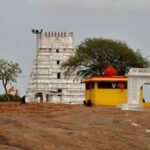
Tucked along the serene banks of Osman Sagar Lake, about 30 kilometers from the heart of Hyderabad, the Chilkur Balaji Temple is a spiritual landmark that carries a very different energy from most temples in India. No ticket counters. No VIP queues. No donation boxes. Just devotees, prayers, and the quiet hum of footsteps tracing sacred circles around a centuries-old sanctum.
This ancient temple, dedicated to Lord Venkateswara, has earned a fascinating second name in modern times: the Visa Balaji Temple. Every week, over 75,000 to one lakh devotees visit this shrine, many of them students, IT professionals, and families seeking divine blessings before visa interviews or international travel. Some come to make a wish with 11 pradakshinas. Others return from countries like the USA, UK, Canada, or Australia to complete 108 pradakshinas as an act of gratitude.
This guide covers everything you need to know before your visit, including the temple’s deep history, architectural features, darshan timings, pradakshina rules, the Visa Balaji belief, and how to reach it from different parts of Hyderabad.
History & Origins of Chilkur Balaji Temple
The Legends Behind the Temple
The most widely told legend about Chilkur Balaji Temple traces back to a devoted follower of Lord Venkateswara named Madhava Reddy. Unable to travel to Tirumala due to poor health, he prayed earnestly for divine intervention. Lord Balaji appeared in his dream and directed him to a specific spot in Chilkur village, where a self-manifested idol of the Lord, along with Sridevi and Bhudevi, lay hidden beneath a mound of earth.
Madhava Reddy followed the divine instruction, discovered the idol, and established the temple at that very location. Since that day, the Lord at Chilkur has been worshipped as a powerful, accessible form of Lord Venkateswara, close to Hyderabad and equally potent in blessings.
Historical Context and Architectural Influence
The temple is believed to have been built more than 500 years ago, during the era of Akkanna and Madanna, the two prominent ministers who also happened to be the uncles of Bhakta Ramadas under the Golconda Kingdom. This period was marked by strong Vaishnavite devotion and royal patronage of temple construction across the Deccan region.
The Chilkur Balaji Temple reflects the cultural fusion of Telugu tradition and Dravidian temple architecture that flourished during the Golconda and Qutb Shahi periods.
The Significance of Swayambhu Idol
One of the most theologically important aspects of Chilkur Balaji is that the presiding deity is considered Swayambhu, meaning self-manifested. Unlike installed idols, a Swayambhu form is believed to carry inherent divine power that is neither created nor consecrated by human effort. Devotees place enormous faith in this quality, believing that prayers offered before a Swayambhu deity carry a special potency.
The idol depicts Lord Venkateswara flanked by Goddess Sridevi and Goddess Bhudevi, just as in Tirumala, which is why Chilkur is often called “Hyderabad’s Tirupati” by local devotees.
The Temple’s Role During Medieval Times
During the medieval Golconda period, Chilkur Balaji served as an important pilgrimage stop for those who could not afford the long journey to Tirumala. The temple provided spiritual comfort and religious continuity to the common people of the Deccan, maintaining active Vaishnavite worship in the region.
Priests and scholars associated with renowned mutts, including Sri Ahobila Mutt and Sringeri Mutt, have visited Chilkur, lending it further religious authority over the centuries.
Why Chilkur Became “Visa Balaji”
The story of Chilkur’s modern identity as a Visa Temple begins in the late 1980s. A group of young professionals and students in Hyderabad, at a time when IT migration to the West was just beginning, started visiting Chilkur before their US visa interviews. Several of them reported receiving approvals shortly after completing 11 pradakshinas at the temple.
Word spread rapidly, first through Hyderabad’s IT corridors, then across Telangana and Andhra Pradesh, and eventually throughout India and among the Indian diaspora overseas. The name “Visa Balaji” stuck, and the temple’s footfall grew steadily with each passing decade.
True Essence of the Tradition
The temple administration has consistently clarified that no divine guarantee of a visa is promised. What Chilkur offers is something subtler and perhaps more valuable: a space for focused prayer, mental clarity, and the kind of calm confidence that helps people perform better at interviews and face uncertainties with greater courage. The belief itself becomes the fuel for effort.
Architectural Beauty of Chilkur Balaji Temple
Traditional South Indian Layout
The architecture of Chilkur Balaji Temple follows the classical Dravidian style that characterizes most ancient temples across Telangana and Andhra Pradesh. While it does not boast the scale of Tirumala or the grandeur of large urban temples, its beauty lies precisely in its restraint and authenticity.
The temple compound includes a gopuram (entrance tower), separate shrines for Lord Balaji, Goddess Sridevi, and Goddess Bhudevi, and a well-defined pradakshina path that flows uninterrupted around the main sanctum.
The Garbhagriha – Heart of the Temple
The garbhagriha, or innermost sanctum, houses the Swayambhu idol of Lord Venkateswara. The space is maintained with ritual purity, dimly lit with oil lamps, and fragrant with incense and fresh flower offerings. Priests perform traditional pujas at scheduled intervals throughout the day. Devotees who enter for darshan stand before the deity in a line, and the experience is quiet and unhurried compared to many larger pilgrimage temples.
Mandapam Structure and Stone Pillars
Adjacent to the main sanctum is the mandapam, an open pillared hall typical of Dravidian temple design. The stone pillars are carved in traditional patterns and bear the marks of centuries of use. The mandapam serves as a gathering space for collective prayer, religious discourses, and devotional singing during festivals.
Open Pradakshina Path – Symbol of Freedom
Perhaps the most distinctive architectural element at Chilkur is its open pradakshina path that encircles the main shrine. Unlike some temples where circumambulation is limited or restricted to narrow corridors, Chilkur’s path is wide, clean, and accessible. This openness is both practical and symbolic, allowing thousands of devotees to walk their rounds in comfort and reflecting the temple’s philosophy that spiritual practice belongs to everyone equally.
Temple Surroundings – Nature, Peace & Purity
The temple sits in the village of Chilkur, surrounded by open land, trees, and the near proximity of Osman Sagar Lake. The natural setting contributes significantly to the spiritual atmosphere. Visitors often note that the experience at Chilkur feels very different from city temples: quieter, greener, and more grounding. The drive from Hyderabad itself, through winding roads near Gandipet, is considered part of the pilgrimage by many regular visitors.
Architecture Focused on Equality
There are no separate entrances for different classes of devotees, no premium darshan galleries, and no physical separation between the wealthy and the ordinary visitor. The architecture itself reinforces this egalitarian spirit: one path for everyone, one queue, one experience.
A Living Heritage
Though the temple has undergone careful renovations over the centuries, the core structure retains its ancient character. It stands today not as a museum piece but as a living place of worship, busier than ever, rooted in the same devotional traditions that were established when the idol was first discovered centuries ago.
Timings, Darshan Process & Pradakshina Rules
Chilkur Balaji Temple Timings
The temple is open every day of the week, including public holidays.
| Session | Timing |
| Morning Opening | 5:00 AM |
| Evening Closing | 8:00 PM |
Note: Timings may vary slightly during major festivals, special occasions, or local management decisions. It is advisable to confirm same-day timings through a local contact or by calling ahead, especially if you plan to visit on a festival day.
No VIP System – A Complete Equality Model
Chilkur Balaji Temple operates on one of the most distinctive policies in Indian temple culture: absolute equality. There are no VIP darshan passes, no special queue lanes, no priority entry for politicians, celebrities, or wealthy donors. Every devotee stands in the same line and receives the same experience. This policy has earned the temple deep respect and a loyal following among people who feel alienated by the commercialization of other major pilgrimage sites.
No Hundi, No Donations Policy
The temple does not have a hundi (donation box) inside the premises. Monetary offerings are not accepted within the sanctum. This tradition has been maintained for generations and is central to the temple’s identity. The emphasis is entirely on bhakti, sincere devotion, rather than financial contribution.
Devotees who wish to support the temple’s maintenance may do so through specific approved channels, but this is never solicited or pressured.
Darshan Procedure – Step-by-Step
Here is how a typical darshan visit at Chilkur Balaji Temple works:
- Arrive at the temple, remove footwear at the designated area outside.
- Enter the temple premises following the queue. There is no ticket or token required.
- If performing pradakshina first, join the circumambulation path around the main sanctum.
- After completing your pradakshinas, join the darshan queue for the garbhagriha.
- Stand before Lord Venkateswara, offer your prayer silently, and exit through the designated path.
- Mobile phones and photography are strictly prohibited inside the temple premises.
The Famous Pradakshina Tradition
The pradakshina ritual at Chilkur follows a clear two-stage system that has become iconic:
- First visit (wish-making): Perform 11 pradakshinas (circumambulations) around the main sanctum while holding your wish in your heart and chanting the Lord’s name.
- Return visit (thanksgiving): Once your wish is fulfilled, return to the temple and perform 108 pradakshinas as an offering of gratitude to Lord Venkateswara.
This practice is what gave the temple its reputation as Visa Balaji and continues to draw hundreds of thousands of visitors each year.
Rules & Guidelines for Pradakshina
- Walk barefoot on the pradakshina path.
- Walk in a clockwise direction at all times.
- Maintain a respectful, unhurried pace. Rushing defeats the spiritual purpose.
- Chant “Om Namo Venkatesaya” or the Govinda Namavali while walking.
- Wear modest, traditional attire. Shorts and sleeveless clothing are discouraged.
- Stay hydrated, especially in summer months, as 108 rounds can take one to two hours depending on crowd flow and individual pace.
- On Fridays, weekends, and festival days, 108 pradakshinas may be restricted due to extremely high crowd volume. Weekday mornings are ideal for completing the full 108 rounds.
Chanting & Meditation at Chilkur
Many devotees combine their pradakshina with continuous chanting of the Govinda Namavali or Vishnu Sahasranamam. The act of walking while chanting is considered a moving meditation, aligning the mind with devotion and preparing the spirit to receive divine grace. Some families carry printed chanting sheets, and temple priests often lead group chanting sessions near the mandapam.
Best Time to Visit for Smooth Darshan
- Weekday mornings between 6:00 AM and 9:00 AM offer the calmest experience.
- October to March is the most comfortable season for outdoor pradakshina.
- Avoid: Fridays, Saturdays, Sundays, and public holidays unless you are prepared for very large crowds.
- Festival days are spiritually powerful but extremely crowded.
The “Visa Balaji” Belief – Faith, Testimonies & Global Popularity
Origins of the Visa Belief
The Visa Balaji legend grew organically in the late 1980s and early 1990s, during a period when Hyderabad’s IT and engineering communities were rapidly expanding their aspirations toward the United States, United Kingdom, and other countries. Young applicants who were nervous about visa rejections began visiting Chilkur for courage and blessings. When several of them received approvals and attributed them to their prayers, the stories traveled fast in the age of word-of-mouth.
Faith Meets Effort – The True Philosophy
What makes Chilkur’s philosophy intellectually honest is its insistence on the combination of sincere faith and real-world preparation. The temple encourages devotees to:
- Pray with a focused and calm mind.
- Prepare thoroughly for visa interviews and examinations.
- Trust the process without relying solely on divine intervention.
- Return with gratitude when the wish is fulfilled.
This balance between spirituality and personal responsibility sets Chilkur apart from superstitious wish-fulfillment shrines.
The 11 + 108 Formula and Visa Prayers
In Hindu numerology and cosmology, both 11 and 108 hold significant meaning. The number 108 represents completeness, the full cycle of the cosmos, calculated as 12 zodiac signs multiplied by 9 planetary positions. It is also the count of beads on a traditional japamala. The number 11 symbolizes intention and the beginning of manifestation. Together, they frame a complete arc of prayer: setting an intention and completing a cycle of gratitude.
Devotees who come specifically for visa-related prayers typically:
- Bring their passport, visa application documents, or photographs.
- Perform 11 pradakshinas while silently naming their wish.
- Stand before the Lord in darshan and offer their heartfelt prayer.
- Return after a successful outcome to complete 108 pradakshinas.
Testimonials and Real-Life Experiences
Over the decades, thousands of devotees have shared personal stories of receiving visa approvals, job offers abroad, foreign education admissions, and other opportunities shortly after visiting Chilkur. These testimonials circulate widely within Telugu communities in India and across the diaspora. While none can be empirically verified as divine causation, they continue to inspire faith in new generations of visitors.
Visitor reviews frequently describe the experience at Chilkur as grounding, peaceful, and confidence-building, regardless of the specific outcome of their applications.
A Global Devotee Network
Today, Chilkur Balaji Temple has a genuine international following:
- NRIs visiting India make a dedicated trip to the temple.
- Indian students in the US and UK perform 108 pradakshinas virtually through proxy visits arranged by relatives.
- Online devotional communities share prayers, success stories, and visit plans.
- Families send photographs of their children’s passports and admission letters to the temple as symbolic gestures of gratitude.
The temple has become a thread connecting the Indian diaspora to their spiritual roots.
The Psychological & Spiritual Connection
Modern psychology offers a complementary explanation for Chilkur’s impact. The act of performing pradakshinas, repeating a chant, and dedicating focused time to prayer creates a structured ritual that reduces anxiety, builds mental clarity, and reinforces a sense of purpose. For someone facing the stress of a visa interview or competitive examination, this mental grounding can genuinely improve performance.
Faith does not replace preparation. At Chilkur, it strengthens it.
The Temple’s Official Stand
The temple administration does not endorse or promote the idea that visiting Chilkur guarantees a visa. It discourages superstition and encourages devotees to complement their prayers with diligent, honest effort. The priests emphasize that Lord Venkateswara’s blessings are available to all equally, and that the quality of one’s devotion and sincerity determines the depth of the spiritual experience.
Why Chilkur Stands Apart
Most temples associated with wish-fulfillment operate within a commercial framework that prices blessings through special sevas, VIP darshan fees, or donation requirements. Chilkur rejects all of this. At this temple:
- Blessings cost nothing in money.
- Every devotee stands in the same line.
- The only currency accepted is sincere devotion.
This purity of principle is the deepest reason for Chilkur’s enduring credibility and growing popularity.
A Symbol of Modern Faith
In a generation navigating global ambitions, career pressures, and cross-border dreams, Chilkur Balaji Temple has become more than a religious site. It is a space where ambition meets surrender, where effort is paired with trust, and where thousands of people each week remind themselves that they are not alone in their journey.
Festivals, Events & Spiritual Activities at Chilkur Balaji Temple
Major Festivals Celebrated at Chilkur
The temple hosts a rich calendar of festivals and spiritual events throughout the year:
- Brahmotsavams: The grand annual celebration of Lord Venkateswara, typically lasting several days, attracting significantly higher footfall than usual.
- Anakota: A large festival involving food offerings and community gatherings, one of the most visually vibrant events at the temple.
- Vaikunta Ekadashi: One of the holiest days in the Vaishnavite calendar, observed with all-night prayers and special darshan.
- Sri Rama Navami: Celebrated with devotional singing, readings from religious texts, and floral decorations.
- Poolangi Festival: A colorful event where the deity is adorned with elaborate flower garlands, drawing devotees who come specifically for this darshan.
During all major festivals, the number of visitors increases sharply. Planning a visit for spiritual rather than crowd-related reasons? Choose early weekday mornings outside festival periods.
Route Map & How to Reach Chilkur Balaji Temple
Temple Location
Address: Chilkur Balaji Temple, Chilkur Village, Moinabad Mandal, Ranga Reddy District, Telangana – 501504.
The temple is located approximately 25 to 30 kilometers from central Hyderabad, near Osman Sagar (Gandipet) Lake.
Route Map from Major Areas
| Starting Point | Distance | Approximate Time |
| Mehdipatnam | 18 km | 35 to 45 minutes |
| Hitech City / Gachibowli | 22 km | 40 to 50 minutes |
| Hyderabad Railway Station | 26 km | 45 to 60 minutes |
| Rajiv Gandhi International Airport | 28 to 30 km | 40 to 55 minutes |
| Secunderabad | 35 km | 50 to 70 minutes |
Recommended Route from Hyderabad: Take the Mehdipatnam to Gandipet Road (Osman Sagar Road), continue past Gandipet Lake, and follow signs toward Chilkur village. The road is well marked and passes through green, scenic terrain.
Transport Options
By Private Vehicle or Cab: This is the most convenient option. Book a cab through Ola or Uber from any part of Hyderabad. The drive is straightforward and takes approximately 45 to 60 minutes from the city center depending on traffic conditions. Private vehicles can park near the temple.
By Bus (TSRTC): The Telangana State Road Transport Corporation (TSRTC) operates bus routes connecting Hyderabad to Chilkur. Buses are available from Mehdipatnam and other major stops. This is the most economical option for regular devotees.
By Auto Rickshaw: Available from Gandipet area for the last stretch if you are traveling by bus up to that point.
Nearest Airport: Rajiv Gandhi International Airport, Shamshabad (approximately 28 to 30 km).
Nearest Railway Station: Hyderabad Deccan (Nampally) Railway Station (approximately 26 km).
Frequently Asked Questions
What are the darshan timings of Chilkur Balaji Temple?
The temple is open daily from 5:00 AM to 8:00 PM. Timings may vary on festival days, so local verification is recommended.
Is there an entry fee or online booking at Chilkur Balaji Temple?
No. Darshan is completely free, there is no VIP pass, and no online or offline booking system exists. Entry is walk-in only, first-come, first-served.
What is the significance of 11 and 108 pradakshinas?
Devotees perform 11 circumambulations while making a wish, and return to complete 108 circumambulations as an act of gratitude once the wish is fulfilled.
Is Chilkur Balaji Temple really effective for visa approvals?
The temple does not guarantee visa approvals. It offers a space for sincere prayer and mental clarity. Devotees believe their focused faith, combined with thorough preparation, improves their chances.
Can I carry my passport or visa documents to the temple?
Yes, many devotees bring their passport photographs or application documents to the temple as part of their personal prayer ritual.
What should I wear to Chilkur Balaji Temple?
Traditional, modest attire is recommended. Avoid shorts, sleeveless clothing, or anything considered inappropriate for a place of worship.
Are mobile phones allowed inside the temple?
No. Mobile phones and photography are strictly prohibited inside the temple premises.
What is the best day to visit Chilkur Balaji Temple to avoid crowds?
Weekday mornings, particularly Monday to Thursday before 9:00 AM, offer the most comfortable and peaceful experience.
Can I perform 108 pradakshinas on weekends?
108 pradakshinas are often restricted on Fridays, weekends, and festival days due to crowd volume. Plan weekday visits for a smooth experience.
How far is Chilkur Balaji Temple from Hyderabad city center?
The temple is approximately 25 to 30 kilometers from central Hyderabad, about a 45 to 60-minute drive depending on traffic.
Is there accommodation near Chilkur Balaji Temple?
The Haritha Hotel by Telangana Tourism is located close to the temple and is a convenient option for outstation devotees. Small eateries are also available outside the temple.
Final Thoughts
Chilkur Balaji Temple is not defined by its size or grandeur. It is defined by what it refuses to be: commercial, elitist, or transactional. In a spiritual landscape often complicated by paid privileges and performance-based religiosity, Chilkur stands as a quiet, powerful reminder that true devotion costs nothing and excludes no one.
Whether you are walking your first 11 pradakshinas with a dream in your heart, or returning from across the ocean to complete 108 rounds in gratitude, the temple meets you exactly where you are. For hundreds of thousands of visitors each year, that meeting has proven to be the most meaningful part of the journey.
If you plan to visit, arrive early, dress modestly, leave your phone at the gate, and walk with intention. The rest, as devotees at Chilkur will tell you, takes care of itself.