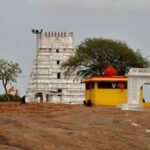
Tucked away in the Dundigal belt on the northern edge of Hyderabad, the Marakata Karya Siddhi Hanuman Temple has quietly become one of the city’s most talked about devotional stops. It is not an ancient monument with centuries of recorded history behind it. Instead, it is a living, growing shrine built on faith, word of mouth, and the personal stories of devotees who say their prayers here were answered.
The temple is dedicated to Lord Hanuman in his rare Marakata, or emerald, form. Devotees visit seeking karya siddhi, which simply means the successful completion of a task or goal. Whether it is a delayed job offer, a stalled property deal, a pending court matter, or an exam result, people come here hoping Hanuman will clear the obstacles standing in their way.
This guide covers everything a visitor or curious reader needs to know: the temple’s location, the meaning behind its name, its spiritual importance, its architecture, visiting hours, festivals, and practical tips for a smooth, respectful visit.
Temple Location & General Information
The Marakata Karya Siddhi Hanuman Temple is located in Gagillapur, along the Hyderabad to Narsapur Road in Dundigal, Telangana, close to the Outer Ring Road (ORR). Its position near the ORR makes it a fairly convenient detour for anyone travelling between Hyderabad city and the northern suburbs.
Quick facts about the temple:
- Deity: Lord Hanuman (Anjaneya Swamy) in Marakata, or emerald-toned, form
- Location: Gagillapur, Dundigal, Hyderabad to Narsapur Road, Telangana 500043
- Entry fee: Free for all devotees
- Photography: Generally restricted inside the main sanctum
- Best days to visit: Tuesdays, Saturdays, and Hanuman Jayanti
- Nearest major road: Outer Ring Road (ORR)
Unlike Hyderabad’s older, more established temples, this shrine’s charm lies in its simplicity and the personal devotion visible among the people who gather here every week.
Meaning of the Name
The name Marakata Karya Siddhi Hanuman is built from four distinct Sanskrit and Telugu-rooted words, each carrying its own meaning:
- Marakata: refers to emerald, a green gemstone traditionally associated with growth, prosperity, and healing.
- Karya: means task, duty, or effort, referring to any goal a devotee is working toward.
- Siddhi: means accomplishment, fulfillment, or success.
- Hanuman: the son of the wind god, celebrated across Hindu tradition for his strength, loyalty, and unmatched devotion to Lord Rama.
Put together, the name essentially describes a form of Hanuman worshipped specifically to help devotees complete pending tasks and overcome obstacles standing between them and their goals. This is why so many visitors arrive with a very specific intention in mind rather than a general prayer.
Spiritual Significance
Hanuman worship holds a distinct place in Hindu devotional life. He is seen as a protector against negative energy, a remover of fear, and a deity who rewards sincere effort rather than passive wishing. The Marakata form adds another layer of symbolism, since emerald is traditionally linked to renewal, mental clarity, and steady progress.
Many devotees also connect their visits to relief from planetary difficulties, particularly those associated with Shani (Saturn), since Hanuman worship is a common remedy suggested in Vedic astrology for Shani-related struggles. Others come purely for emotional and mental strength during a difficult phase of life, such as job uncertainty, health concerns, or family disputes.
What stands out about this temple’s spiritual identity is its approachable nature. There is no elaborate ritual requirement to participate. A devotee can simply visit, offer a prayer, light a lamp, or tie a thread with a wish in mind.
Temple History & Background
Unlike Hyderabad’s centuries-old temples with inscriptions and royal patronage, the Marakata Karya Siddhi Hanuman Temple has a comparatively recent origin rooted in modern community devotion. It sits within a wider spiritual cluster in Dundigal that includes other shrines, including one associated with Datta Avadhoota worship, forming a small pilgrimage circuit in the area.
Its growth has been organic. Rather than being built by a royal dynasty or ancient trust, the temple gained recognition through devotees sharing their personal experiences, particularly stories of long-pending problems getting resolved shortly after a visit. This grassroots reputation has turned it into a regular stop for people from across Hyderabad, Secunderabad, and even neighboring districts.
It is worth noting that several temples across India share the “Karya Siddhi Hanuman” name, including well-known ones in Bengaluru and even in Texas, USA. While they share the same devotional theme and belief system, the Dundigal temple in Hyderabad stands on its own as a distinct, locally rooted shrine rather than a branch of those larger institutions.
Temple Architecture & Layout
The temple’s architecture is modest and functional, prioritizing accessibility and a peaceful atmosphere over grand ornamentation. Its layout typically includes:
- A sanctum sanctorum housing the main Marakata Hanuman idol
- A mandapam, or prayer hall, where devotees gather for group prayers and darshan
- Dedicated spaces for daily rituals, lamp lighting, and offerings
- Smaller shrines within the surrounding complex dedicated to other deities
The open layout allows for a steady flow of visitors, especially on Saturdays, without the sanctum feeling overly congested. The setting, framed by the quieter outskirts of Dundigal, adds to the calm, reflective mood many devotees describe experiencing here.
The Marakata Hanuman Idol
The centerpiece of the temple is its striking emerald-hued Hanuman idol, which gives the shrine its distinctive name. The green tone of the murti is meant to visually and symbolically represent the Marakata gemstone, associated in tradition with vitality, healing, and forward movement in one’s endeavors.
Devotees often describe the idol’s expression as calm yet powerful, reflecting Hanuman’s dual nature as both a fierce protector and a humble devotee. The idol is typically adorned with garlands, sindoor, and offerings during daily rituals, and it becomes especially vibrant during Saturday abhishekams and festival days when special decorations are added.
Marakata Karya siddhi hanuman temple timings
Planning your visit around the correct timings ensures a smooth darshan experience. The general schedule observed at the temple is as follows:
| Session | Timing |
| Morning Darshan | 7:00 AM to 12:30 PM |
| Evening Darshan | 5:00 PM to 8:00 PM |
A few points worth remembering:
- Timings can be extended on Saturdays, Tuesdays, and major festivals like Hanuman Jayanti.
- It is advisable to check locally or call ahead before visiting on a festival day, since crowd management may affect entry and darshan duration.
- Early morning visits, right after opening, tend to be the least crowded and most peaceful.
Saturdays are widely considered the most spiritually significant day for Hanuman worship, so expect noticeably larger crowds compared to weekdays.
How to Reach Marakata Karya Siddhi Hanuman Temple
The temple’s location in Dundigal, close to the Outer Ring Road, makes it reasonably accessible from most parts of Hyderabad.
By Road Private cabs, autos, and self-driven vehicles are the most convenient options. The temple lies along the Hyderabad to Narsapur Road, and using the Outer Ring Road significantly cuts down travel time from areas like Kukatpally, Miyapur, or Gachibowli.
By Air Rajiv Gandhi International Airport in Shamshabad is the nearest airport, though it sits at a considerable distance on the opposite end of the city. A cab or pre-booked taxi is the most practical option from there.
By Rail Secunderabad Railway Station and Hyderabad Deccan (Nampally) are the closest major railway hubs, from where devotees can hire local transport to reach Dundigal.
By Public Transport TSRTC buses connect Dundigal to several parts of Hyderabad, though the final stretch to the temple itself may require a short auto ride, since it is set slightly off the main commercial stretch.
Festivals and Special Occasions
While the temple stays active throughout the year, certain occasions bring in noticeably larger crowds and more elaborate rituals.
- Hanuman Jayanti: The most significant celebration at the temple, marking Lord Hanuman’s birth, observed with special abhishekams, decorations, and extended darshan hours.
- Saturdays: Considered auspicious for Hanuman worship throughout the year, with many devotees making it a weekly ritual.
- Ram Navami: Since Hanuman’s devotion to Lord Rama is central to his identity, this festival is also observed with prayers and gatherings.
- Dasara and other regional festivals: Marked with additional decorations and community participation, in line with broader Telangana temple traditions.
During these occasions, it is common to see queues form well before opening time, so planning around the crowd is a good idea for those who prefer a quieter experience.
Devotee Experiences & Beliefs
What truly sets this temple apart is the strength of personal testimonies shared by regular visitors. Common themes among devotee experiences include:
- Career breakthroughs after a period of prolonged job uncertainty
- Resolution of pending legal or property matters
- Relief from health concerns after consistent prayer and visits
- Exam or interview success reported by students and job seekers
While these accounts are based on personal faith rather than documented records, they form the backbone of the temple’s growing reputation. Many first-time visitors say they were brought here specifically because a friend or family member described a positive outcome following their own visit.
Temple Etiquette and Dress Code
As with most Hindu temples in India, a few etiquette guidelines help maintain the sanctity of the space:
- Dress modestly, avoiding sleeveless tops, shorts, or overly casual western wear
- Traditional attire such as sarees, salwar kameez, or dhotis is appreciated, though not mandatory
- Remove footwear before entering the sanctum area
- Maintain silence or speak softly near the main shrine
- Avoid photography inside the sanctum unless explicitly permitted
- It is customary to avoid non-vegetarian food and alcohol on the day of the visit, as a mark of respect
Following these simple practices helps preserve the peaceful atmosphere that draws so many devotees back repeatedly.
Nearby Attractions
A visit to the Marakata Karya Siddhi Hanuman Temple can easily be combined with a few nearby points of interest:
- Sri Datta Avadhoota Temple: Part of the same spiritual cluster in Dundigal, offering a complementary devotional stop.
- Dundigal Air Force Academy area: Known locally as a landmark for navigation, though not open for casual tourism.
- Outer Ring Road viewpoints: The stretch offers a scenic drive, especially in the early morning or evening.
- Other Hanuman and Anjaneya shrines around Medchal and Ranga Reddy district: Several smaller temples in the surrounding belt make for an extended temple-hopping day trip.
Tips for First-Time Visitors
A little preparation goes a long way in making the visit smoother and more meaningful:
- Visit early in the morning or later in the evening to avoid peak sun and traffic.
- Carry a coconut and flowers if you wish to make a traditional offering.
- Wear comfortable footwear, since parking may require a short walk to the entrance.
- Keep small change handy for donations or prasadam counters.
- If visiting on a Saturday or during Hanuman Jayanti, arrive well before opening time to avoid long queues.
- Check for updated timings locally before a festival visit, since hours often extend but can also shift.
- Combine your trip with nearby shrines in the Dundigal cluster to make the most of the visit.
FAQ’s
Where is the Marakata Karya Siddhi Hanuman Temple located?
It is located in Gagillapur, along the Hyderabad to Narsapur Road in Dundigal, Telangana, close to the Outer Ring Road.
What does Marakata Karya Siddhi mean?
Marakata means emerald, Karya means task, and Siddhi means success, together describing Hanuman’s blessing for accomplishing one’s goals.
What are the temple’s visiting hours?
The temple is generally open from 7:00 AM to 12:30 PM and again from 5:00 PM to 8:00 PM daily.
Which day is best to visit the temple?
Saturdays, Tuesdays, and Hanuman Jayanti are considered the most auspicious days for a visit.
Is there an entry fee for the temple?
No, entry and darshan at the temple are free for all devotees.
What rituals are commonly performed here?
Devotees often recite the Hanuman Chalisa, perform archana, offer coconuts, and participate in Saturday abhishekams.
Is the temple suitable for families and elderly visitors?
Yes, the temple maintains a calm, welcoming, and well-kept environment suitable for visitors of all ages.
How can I reach the temple without a private vehicle?
TSRTC buses connect to Dundigal, followed by a short auto ride, though a cab remains the most convenient option.
Is photography allowed inside the temple?
Photography is generally restricted inside the sanctum, so it is best to check with temple staff before capturing any images.
Is this the same as the Karya Siddhi Hanuman temples in Bengaluru or the USA?
No, while they share the same devotional theme, the Dundigal temple in Hyderabad is a separate, locally established shrine.
Final Thoughts
The Marakata Karya Siddhi Hanuman Temple may not carry centuries of recorded history, but its rapid rise as a spiritual destination says a lot about how faith spreads today, through personal experiences, community trust, and word of mouth rather than ancient inscriptions alone. For anyone in Hyderabad seeking strength, clarity, or simply a moment of quiet reflection, this Dundigal shrine offers a peaceful, welcoming space to pause and pray.
Whether you’re chasing a specific goal or simply drawn to Hanuman’s steady, protective presence, a visit here is a reminder that persistence, paired with faith, often finds its way to resolution. If you’re planning a spiritual outing around Hyderabad, this temple is well worth adding to your list.