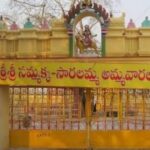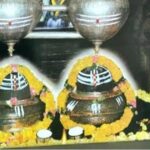
Tucked within the spiritual fabric of Telangana, Kali Mandir Hyderabad stands as one of the most powerful Shakti shrines in South India. Thousands of devotees flock to this sacred temple every week, drawn by a deep-rooted faith in the protective grace of Maa Kali. Whether you are a lifelong devotee of Shakti worship or someone who is visiting for the first time, this temple offers a profoundly transformative spiritual experience.
Unlike many temples that are known for grandeur alone, Kali Mandir is celebrated for its intense spiritual atmosphere, disciplined rituals, and the unwavering belief that Goddess Kali truly listens to her devotees. From daily aartis to the electrifying energy of Amavasya nights, every moment spent here carries weight and meaning. This complete guide covers everything you need to know before your visit, including history, rituals, timings, festivals, and travel tips.
Who Is Goddess Kali? – Spiritual Background
Goddess Kali is one of the most powerful and revered manifestations of Adi Shakti, the primordial cosmic energy in Hindu tradition. Her name comes from the Sanskrit word “Kala,” meaning time, and she is widely understood as the destroyer of evil, the remover of ignorance, and the ultimate embodiment of fierce compassion.
Unlike the gentle, nurturing forms of the Divine Mother, Kali presents herself in a fearsome avatar so that she may confront and annihilate negativity at its root. She is typically depicted with dark skin, a garland of skulls, a sword in one hand, and a severed head in another, yet all of these symbols carry deep philosophical meaning. The skulls represent liberation from ego, the sword cuts through illusion, and her tongue, often shown extended, symbolizes her unquenchable thirst to destroy all evil.
For her genuine devotees, Maa Kali is not a figure of terror but the most compassionate mother in the universe. In Hindu scriptures, she appears during moments of cosmic chaos to restore balance and protect the righteous. This is why her worshippers, especially those on the path of Shakti sadhana and tantric practices, consider her the ultimate refuge.
History of Kali Mandir Hyderabad
The history of Kali Mandir Hyderabad is rooted not in royal patronage or ancient stone carvings, but in the sincere devotion of everyday people. The temple at Kalika Nagar, Chevella Road, Bandlaguda Jagir grew organically from the faith of local communities who felt a deep spiritual connection to Goddess Kali.
One of the most historically documented Kali temples in the Hyderabad region is the Hyderabad Kalibari, established in 1974 in Vivekanandapuram, Secunderabad. A piece of land measuring around 2,000 square yards was donated by the late Shree S. Madhusudan Reddy, a devoted follower of Maa Kali, to lay the foundation of this sacred space. The foundation stone was placed by Swami Ranganathanandaji Maharaj, the then-President of the Ramakrishna Mission, Hyderabad.
The main idol, carved from a single piece of black stone in the style of the Dakshineshwar Kali Temple in Kolkata, was brought from Chitpur, West Bengal, and installed on 28 August 1976. The consecration ceremony was conducted by Late Sree Gostha Behari Bhattacherjee, a well-known tantric priest from Kolkata, following both vedic and tantric traditions.
Over the decades, through multiple expansions and renovations, Kali Mandir has grown into a recognized spiritual hub that draws devotees from across Telangana and Andhra Pradesh.
Spiritual Significance of Kali Mandir
Kali Mandir is widely regarded as a Shakti Kshetram, a sacred site where the powerful feminine energy of the divine is believed to be intensely alive and active. Devotees come here seeking protection from negative energies, karmic obstacles, fear, and injustice. Many also visit to seek strength during personal crises, believing that Maa Kali’s fierce energy can cut through any darkness.
The spiritual significance of this temple lies in several dimensions:
- It serves as a center for Shakti worship and tantric rituals, which are rarely performed openly at other temples.
- Amavasya (new moon) worship here is considered especially potent, with devotees believing that prayers on this day yield swift results.
- The temple fosters a focused environment for meditation, mantra chanting, and deep devotional surrender.
- Many devotees report experiencing a profound sense of spiritual relief, protection, and answered prayers after visiting.
The energy here is described as intense and disciplined, making it a destination not just for ritual worship but for genuine inner transformation.
Architecture and Temple Layout
The architectural style of Kali Mandir Hyderabad prioritizes spiritual depth over decorative grandeur. The design is clean and purposeful, built to channel the devotee’s attention entirely toward the presiding deity rather than elaborate visual spectacle.
The sanctum sanctorum (garbhagriha) houses the idol of Maa Kali and is the focal point of all rituals. The layout of the temple promotes linear movement from the entrance to the main shrine, facilitating concentrated worship and undisturbed meditation. There is typically a mandapam (hall) where devotees can sit, chant, and participate in aartis.
Some Kali Mandir locations in Hyderabad, such as the Swarna Shilpi Vivekananda Kali Mandir in Shamshabad, feature more elaborate construction. Built on approximately 3 acres of land, this temple is modeled on the famous Dakshineshwar Kali Temple in Kolkata and includes shrines dedicated to Lord Shiva, Lord Ganesha, Radha Krishna, and Lord Venkateswara within the same complex, making it unique in South India.
Presiding Deity – Maa Kali Idol
The idol of Maa Kali at Hyderabad Kali Mandir is depicted in her traditional fierce form. She is shown standing triumphantly, often over a symbolic representation of negativity, with weapons in her hands to convey her role as the destroyer of evil. The idol is adorned with flowers, red garments, bangles, and kumkum, reflecting the care and devotion the temple priests pour into every daily ritual.
The image embodies several key qualities: fearlessness, justice, protection, and liberation. Devotees who face the idol often describe feeling simultaneously humbled and empowered.
Kali Mandir Hyderabad Timings (General)
| Session | Timing |
| Morning Opening | 6:00 AM |
| Morning Pooja | 6:00 AM to 12:00 PM |
| Afternoon Break | 12:30 PM to 4:00 PM |
| Evening Opening | 4:00 PM |
| Evening Aarti | 7:00 PM to 8:00 PM |
| Temple Closing | 9:00 PM |
Note: Timings may vary on Amavasya, Navaratri, and other major festival days, when the temple typically remains open for extended hours to accommodate the larger number of devotees.
Daily Worship and Rituals
The daily worship cycle at Kali Mandir Hyderabad follows a structured pattern that mirrors classical Hindu temple tradition while incorporating elements specific to Kali worship.
The day begins with Mangala Aarti at dawn, a devotional ceremony that awakens the goddess and sets the spiritual tone for the day. This is followed by Abhishekam, the ritual bathing of the idol with milk, honey, turmeric water, and other sacred substances. After the Abhishekam, the deity is adorned with fresh flowers, kumkum, and new garments.
Throughout the morning, priests perform Archana and Kumkum Archana, reciting specific mantras and names of the Goddess while offering flowers to the deity. Midday Bhoga Aarti involves the offering of food (naivedyam) to Maa Kali. The evening culminates in Sandhya Aarti, which is perhaps the most visually and emotionally intense moment of the day. The lamps glow brilliantly, bells ring in unison, and the collective energy of the gathered devotees creates an atmosphere that is deeply moving.
Amavasya Special Significance
Amavasya, the new moon night, holds a uniquely elevated position in Kali worship. Devotees believe that the veil between the physical and spiritual worlds is thinnest on this night, making it the most powerful time to seek Maa Kali’s blessings.
On Amavasya, the temple conducts special poojas, Chandi Homam, and mantra chanting sessions that go on well into the night. The number of devotees multiplies significantly, and the atmosphere takes on a raw, charged quality that long-time visitors describe as unlike any other day. Offerings of lemons, kumkum, and red flowers are especially common. Those seeking relief from fear, negative energies, black magic, or karmic obstacles make it a point to be present on this day.
Navaratri and Major Festivals
Navaratri is the grandest festival celebrated at Kali Mandir Hyderabad and one of the most spiritually significant in the Hindu calendar. Spanning nine nights, the festival honors the nine forms of the Divine Mother through elaborate poojas, special aartis, and cultural programs.
During Navaratri, the goddess is dressed in a different avatar each day, and the entire temple premises transform into a vibrant celebration of Shakti. Special homams (fire rituals), Chandi Path recitations, and Kumkum Archanas are held every evening. Thousands of devotees from across the city attend, many of them observing fasts throughout the nine days.
Other major festivals celebrated at Kali Mandir include:
- Kali Puja – Observed on the night of Amavasya during the Diwali season, this is one of the most intense and devotion-filled events of the year.
- Bonalu – A traditional Telangana festival where devotees offer Bonam (cooked rice in a pot) to the goddess as a gesture of gratitude for protection granted.
- Durga Puja – Celebrated with great enthusiasm, especially at temples with Bengali community connections.
- Mahashivratri and Ugadi – Also observed with special programs at several Kali Mandir locations.
Offerings and Sevas
Devotees express their devotion through a rich variety of offerings and sevas at Kali Mandir:
- Kumkum, turmeric, and sindoor
- Red flowers, garlands, and jasmine
- Lemons, coconuts, and bananas
- Sarees and bangles offered to the goddess
- Archana (name-by-name recitation of divine names)
- Abhishekam (ritual bathing)
- Chandi Homam on special days
Prasadam, including sacred food distributed after poojas, is given to all devotees. On Amavasya and festival days, the distribution is more elaborate.
Rules and Devotee Guidelines
To maintain the sanctity and spiritual atmosphere of Kali Mandir, devotees are expected to follow certain guidelines:
- Dress modestly and preferably in traditional attire. Avoid western casuals inside the temple premises.
- Remove footwear before entering the temple.
- Maintain silence near the sanctum sanctorum and avoid conversations during ongoing rituals.
- Photography is generally not permitted near the main idol. Always check with temple authorities before using a camera.
- Do not bring non-vegetarian food or intoxicants onto the temple premises.
- Women are welcome to visit at all times, though some specific ritual participation rules may apply on certain days.
- For special poojas like Abhishekam or Homam, arrangements must be made in advance with the temple administration.
- Respect the queuing system during crowded days like Amavasya and Navaratri.
How to Reach Kali Mandir Hyderabad
Address: Kali Mandir, Kalika Nagar, Chevella Road, Bandlaguda Jagir, Hyderabad, Telangana – 500086
By Road: The temple is accessible from Mehdipatnam via the Atrial Road connecting the Outer Ring Road (TSPA Junction). TSRTC buses numbered 5/188 (Secunderabad to Kalimandir), 288, and several other routes stop at or near the Bandlaguda X Roads.
By Auto or Cab: App-based cabs like Ola and Uber are widely available throughout Hyderabad and offer the most convenient point-to-point access. Local autos are also easily available from nearby areas.
By Metro: The nearest metro station depends on the specific Kali Mandir location you are visiting. From most metro stations, the temple is accessible via a short auto or cab ride.
By Train: Hyderabad Deccan (Nampally) and Secunderabad Railway Station are the primary railheads. From both stations, cabs and autos readily serve routes toward the temple.
From Airport: Rajiv Gandhi International Airport is approximately 14 to 20 km from most Kali Mandir locations. City taxis are the most comfortable option from the airport.
Best Time to Visit
The best time to visit Kali Mandir Hyderabad depends on what kind of experience you are seeking.
For peaceful darshan: Early morning hours (6:00 AM to 8:00 AM) are ideal. The temple is quiet, the air is fresh, and the morning aarti offers a serene and uplifting start to the day.
For intense spiritual energy: Evening aarti time (7:00 PM to 8:00 PM) brings together chanting, lamps, and collective devotion in a way that is deeply moving.
For powerful worship: Amavasya nights, though crowded, offer the most potent atmosphere for Kali worship. Plan to arrive early and expect to wait.
For festive experience: Navaratri (September to October) is the best time to witness the temple in full celebratory mode.
For comfortable weather: October to February is the best season to visit Hyderabad in general, with cooler temperatures making temple visits much more pleasant.
Nearby Spiritual Places
Visiting Kali Mandir Hyderabad can easily be combined with other powerful spiritual sites in the city:
- Chilkur Balaji Temple – Located nearby on the Bandlaguda Chevella Road, this famous wish-fulfilling temple is visited by lakhs of devotees.
- Ujjaini Mahankali Temple – One of Hyderabad’s most beloved goddess temples, especially vibrant during Bonalu.
- Akkanna Madanna Temple – A significant Shakti shrine in Old Hyderabad.
- Birla Mandir – A serene hilltop temple dedicated to Lord Venkateswara, offering panoramic views of the city.
- Mrugavani National Park – Located close to Bandlaguda Jagir, offering a peaceful natural escape after temple visits.
Why Kali Mandir Hyderabad Is Special
Kali Mandir Hyderabad is not just another temple on a tourist itinerary. It is a living spiritual center where the practice of Shakti worship, devotional surrender, and tantric tradition remain active and authentic. What makes this temple stand apart is its atmosphere of fierce devotion, its consistent ritual discipline, and the community of sincere seekers who gather here.
The temple is not commercialized. There are no elaborate gift shops or paid entry systems. What you find instead is a space that has been consecrated by decades of pure intention, daily worship, and the prayers of countless devotees who have walked through its doors during their most difficult moments and found something real.
Devotee Beliefs and Experiences
Devotees across generations have shared experiences of remarkable transformation after visiting Kali Mandir. Many report having received protection during dangerous situations, resolution of long-standing family or legal conflicts, and relief from fear and anxiety. Those who practice regular Amavasya worship speak of a gradual but unmistakable clearing of obstacles from their lives.
A common thread among testimonies is the sense that Maa Kali communicates directly with those who approach her with sincerity. The temple community reinforces these beliefs through shared stories, deepening the faith of newcomers and long-time devotees alike.
Frequently Asked Questions
Where is Kali Mandir located in Hyderabad?
The primary Kali Mandir is located at Kalika Nagar, Chevella Road, Bandlaguda Jagir, Hyderabad, Telangana – 500086. Several other Kali temples are also spread across different neighborhoods of the city.
What are the timings of Kali Mandir Hyderabad?
The temple generally opens at 6:00 AM and closes at 9:00 PM, with a midday break from approximately 12:30 PM to 4:00 PM. Timings are extended on Amavasya and festival days.
Is there an entry fee at Kali Mandir?
No, there is no entry fee. Some special poojas and sevas may involve a small donation or booking charge.
Which is the best day to visit Kali Mandir Hyderabad?
Amavasya is the most powerful day for Kali worship, while Fridays also carry special significance. Navaratri is the best season for a festive experience.
What offerings can I make at Kali Mandir?
You can offer red flowers, kumkum, turmeric, lemons, coconuts, bangles, and sarees. The temple priests can guide you on specific offerings for your purpose.
Is photography allowed inside Kali Mandir?
Generally, photography is not permitted near the sanctum sanctorum. It is best to check with temple authorities upon arrival.
Can first-time visitors perform special poojas?
Yes, first-time visitors are warmly welcomed. Priests and volunteers assist newcomers with the worship process. Special poojas like Abhishekam should be booked in advance.
What is the significance of Amavasya at Kali Mandir?
Amavasya is believed to be the most potent time for Kali worship, when prayers for protection, removal of negative energies, and karmic relief are said to yield the fastest results.
Are there any dress code requirements?
There is no strict dress code, but modest and traditional clothing is strongly recommended out of respect for the temple’s sanctity.
What nearby temples can I visit alongside Kali Mandir?
Chilkur Balaji Temple, Ujjaini Mahankali Temple, and the Birla Mandir are among the closest and most popular spiritual destinations near Kali Mandir Hyderabad.
Final Thoughts
Kali Mandir Hyderabad is more than a place of worship. It is a space where fear dissolves, faith deepens, and the fierce yet compassionate energy of the Divine Mother becomes tangible. Whether you seek protection, inner strength, or a genuine connection with Shakti, a visit to this sacred temple has the power to shift something deep within you. Plan your visit thoughtfully, approach with sincerity, and let Maa Kali guide the rest.