Tucked away in a quiet village in Telangana’s Mulugu district, Ramappa Temple stands as one of India’s most remarkable surviving examples of medieval Deccan architecture. Built over 800 years ago by the Kakatiya dynasty, this Shiva temple has earned global recognition not just for its religious importance but for engineering techniques that continue to puzzle modern architects, including bricks that float on water and a foundation designed to absorb earthquake shocks.
In 2021, UNESCO added Ramappa Temple to its World Heritage Site list, putting Telangana firmly on the world heritage map for the first time. Whether you are a history enthusiast, an architecture lover, a devotee of Lord Shiva, or simply someone planning a weekend getaway from Hyderabad or Warangal, this guide covers everything you need: the temple’s history, timings, entry fee, location, how to reach it, and practical visitor tips.
Location of Ramappa Temple
Ramappa Temple is located in Palampet village, Venkatapur Mandal, in the Mulugu district of Telangana (earlier this area was part of Warangal district). The temple sits beside the picturesque Ramappa Lake, surrounded by forested hills and farmland, which gives the entire site a calm, almost untouched atmosphere compared to busier pilgrimage centers.
Quick location details:
- Village: Palampet
- Mandal: Venkatapur
- District: Mulugu, Telangana
- Pin code: 506345
- Nearby water body: Ramappa Lake (Ramappa Cheruvu)
The temple’s rural setting, away from major highways and crowds, is part of what makes a visit feel special. You get to experience 13th-century craftsmanship without the noise of a commercial tourist circuit.
Historical Background of Ramappa Temple
The story of Ramappa Temple goes back to the Kakatiya dynasty, which ruled the Telugu-speaking regions of the Deccan from the 12th to the 14th century. An inscription found at the site dates the temple’s construction to 1213 AD, during the reign of Kakatiya king Ganapati Deva.
The temple was commissioned by Recharla Rudra (also recorded in some inscriptions as Rudra Samani), a general and trusted commander in Ganapati Deva’s court. Historical accounts suggest that construction of the temple took close to 40 years to complete, a timeline that reflects the sheer scale of detailing involved in every pillar, wall, and ceiling.
What makes this temple historically significant is not just its age but the period it represents. The Kakatiya era was a golden age for temple architecture in the Deccan, and Ramappa Temple is widely regarded as the finest surviving example of that tradition. It is often described by historians as the “brightest star” in the constellation of Kakatiya temples, a phrase even attributed to the medieval traveler Marco Polo, who is said to have admired the temple during his travels through the region.
Why Is It Called Ramappa Temple?
Most temples across India carry the name of the deity they enshrine. Ramappa Temple is a rare exception. Instead of being named after Lord Shiva or the ruling king, it is named after Ramappa, the master sculptor who designed and built the main shrine and its intricate carvings.
This naming convention is considered almost unique in Indian temple history. Historians point out that no other major temple in the country is popularly known by the name of its sculptor rather than its presiding deity or patron king. This detail alone reflects how highly the Kakatiya rulers valued artisanship and craftsmanship, elevating the builder’s legacy alongside the divine and royal figures usually associated with temple construction.
The temple is also referred to by other names in historical and religious texts, including Ramalingeshwara Temple and Kakatiya Rudreshwara Temple, both pointing back to its connection with Lord Shiva.
Ramappa Temple Is Dedicated to Which God
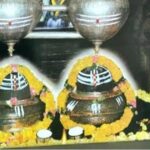
Ramappa Temple is dedicated to Lord Shiva, worshipped here in the form of Lord Rudreshwara, also referred to locally as Ramalingeshwara Swamy. The main sanctum, or garbhagriha, houses a large Shivalinga that is the primary object of worship.
This dedication to Shiva fits within the broader pattern of Kakatiya-era religious patronage, since the dynasty was a strong supporter of Shaivism, alongside Vaishnavism and Jainism, across its kingdom. Two smaller shrines, also dedicated to Shiva, stand on either side of the main temple, though both are now partially in ruins.
Hyderabad to Ramappa Temple Distance
The distance from Hyderabad to Ramappa Temple is approximately 200 to 210 kilometers, depending on the route taken. By road, this journey typically takes around 4 to 5 hours by car, factoring in regular traffic conditions.
Common routes from Hyderabad:
- Hyderabad to Warangal via NH 163, then Warangal to Mulugu and onward to Palampet.
- Hyderabad to Bhongir to Jangaon to Warangal to Mulugu route, a popular alternative depending on starting point within the city.
Travelers from Hyderabad often combine the Ramappa Temple trip with a visit to Warangal Fort, Thousand Pillar Temple, or Laknavaram Lake to make the most of the journey.
Ramappa Temple Nandi
One of the most photographed features at Ramappa Temple is the large Nandi statue placed in the Nandi mandapam, directly facing the main Shiva shrine, as is customary in Shaivite temple design.
This Nandi, the sacred bull and vehicle of Lord Shiva, stands roughly 9 feet tall and is carved with remarkable anatomical precision. Visitors and art historians often note how lifelike the statue appears, with the bull positioned in an alert, attentive posture, as though watching over the sanctum at all times. The craftsmanship on the Nandi statue, including the detailing on its body and ornaments, is considered one of the finest examples of Kakatiya stone sculpture surviving today.
UNESCO World Heritage Site Status
Ramappa Temple’s journey to global recognition began in 2014, when it was placed on UNESCO’s tentative list under the broader nomination titled “The Glorious Kakatiya Temples and Gateways.” Years of documentation, conservation work, and advocacy by the Telangana state government followed.
The temple officially received UNESCO World Heritage Site status on 25 July 2021, during the 44th session of the World Heritage Committee. With this inscription, Ramappa Temple, formally listed as “Kakatiya Rudreshwara (Ramappa) Temple,” became the 39th UNESCO World Heritage Site in India and the first standalone heritage site in Telangana to receive this distinction.
This recognition has significantly boosted tourism interest in the region and placed renewed focus on preserving the temple’s structural integrity for future generations.
Architectural Brilliance of Ramappa Temple
The architecture of Ramappa Temple represents the peak of Kakatiya design philosophy, blending engineering innovation with artistic detail in a way rarely seen in temples of its era.
Key architectural highlights include:
- Star-shaped platform: The temple is raised on a 6-foot-high star-shaped platform, a hallmark of Kakatiya temple design that creates a striking visual silhouette from every angle.
- Floating bricks: The shikhara, or temple tower, is constructed using specially made lightweight bricks that are porous enough to float on water. This drastically reduced the load on the structure below, an engineering choice well ahead of its time.
- Sandbox foundation: Engineers built the temple on a foundation layered with sand, a technique that allows the structure to absorb seismic vibrations, which is widely credited with helping the temple survive earthquakes over the centuries while nearby structures collapsed.
- Material combination: The main structure uses reddish sandstone, while the more intricate figures and sculptures, including dancers and musicians, are carved from black basalt or granite, a contrast that highlights the fine detailing.
- Acoustic carvings: Near the sanctum entrance, certain carved pillars are designed so that tapping them produces musical notes, an early example of acoustic architecture integrated into stone carving.
These elements together make Ramappa Temple a case study not only in religious architecture but in pre-modern structural engineering.
Presiding Deity – Lord Rudreshwara (Shiva)
The presiding deity of the temple is Lord Rudreshwara, a form of Lord Shiva, enshrined within the garbhagriha as a substantial Shivalinga. Devotees visiting the temple offer prayers here as part of the regular darshan routine, and the shrine remains an active place of worship even today, alongside its status as a protected heritage monument.
The dual identity of Ramappa Temple, functioning simultaneously as a living place of worship and an archaeological treasure, is part of what makes a visit here distinct from purely historical monuments elsewhere in India.
Ramappa Temple Timings
Ramappa Temple is open every day of the week, with no weekly closure.
Temple darshan timings: 6:00 AM to 6:00 PM, daily.
Visitors typically need between 1 to 2 hours to comfortably explore the main temple, the surrounding shrines, and the Nandi mandapam. Many travelers extend their visit by walking to nearby Ramappa Lake, which has separate timings.
Ramappa Lake timings: Approximately 5:00 AM to 6:00 PM, with boating available between 10:00 AM and 5:00 PM.
Morning visits between 6 AM and 9 AM tend to be quieter and offer better light for photography, while late afternoon visits bring cooler temperatures and a scenic sunset view over the lake.
Warangal to Ramappa Temple Distance
The distance from Warangal to Ramappa Temple is approximately 66 to 77 kilometers, depending on the exact route and starting point within Warangal city. By road, this drive usually takes about 1.5 to 2.5 hours.
Suggested route from Warangal:
- Warangal to Mulugu via NH 163.
- Mulugu to Venkatapur Mandal, continuing on to Palampet village.
Since Warangal is well connected by rail and road to most major cities in Telangana and neighboring states, it serves as the most practical base for travelers planning a day trip to Ramappa Temple. Many visitors also combine this trip with stops at Laknavaram Lake, which lies roughly 29 kilometers from Ramappa Temple along the same general route.
Ramappa Temple UPSC
Ramappa Temple frequently appears as a relevant topic for UPSC Prelims and Mains preparation, particularly within the Art and Culture and Indian Heritage sections of the General Studies syllabus.
Key UPSC-relevant points about Ramappa Temple:
- It represents Kakatiya dynasty architecture, an important regional style within medieval Indian temple architecture.
- It became India’s 39th UNESCO World Heritage Site in 2021.
- Its engineering features, floating bricks and a sand-cushioned foundation, are commonly cited examples of indigenous earthquake-resistant construction techniques.
- The temple illustrates the layout of a typical Shaivite shrine, including garbhagriha (sanctum), antarala (vestibule), and maha mandapa (main hall).
- It is a useful case study for questions involving heritage conservation, UNESCO nomination processes, and regional dynastic architecture in the Deccan.
Aspirants preparing current affairs and culture sections often find that questions referencing Telangana heritage sites, UNESCO inscriptions, or Kakatiya-era history draw directly from facts associated with Ramappa Temple.
Temple Layout and Components
Understanding the structural layout helps visitors appreciate what they are looking at while exploring the temple complex.
Main components of Ramappa Temple:
- Garbhagriha (Sanctum Sanctorum): The innermost chamber housing the main Shivalinga, considered the spiritual core of the temple.
- Antarala (Vestibule): A connecting passage between the sanctum and the main hall.
- Maha Mandapa (Main Hall): A spacious pillared hall used for congregational worship, supported by intricately carved pillars.
- Mukha Mandapa: The entrance porch leading into the main hall, often the first point where visitors notice the detailed carvings.
- Nandi Mandapam: A separate pavilion housing the large Nandi statue, positioned facing the sanctum.
- Subsidiary Shrines: Two smaller Shiva shrines flank the main temple, though both have suffered partial damage over the centuries.
Each of these sections is connected by a circumambulatory path, or pradakshina patha, allowing devotees to walk around the sanctum as part of traditional worship practice.
Nandi – The Guardian Bull
While the Nandi statue was briefly mentioned earlier, its role within the temple layout deserves closer attention. Positioned in its own dedicated mandapam directly in front of the main shrine, the Nandi functions both as a devotional focal point and as a structural showcase of Kakatiya sculptural skill.
Carved from solid stone, the statue captures intricate detailing in the bull’s musculature, ornamentation, and posture, details that have remained remarkably legible despite centuries of weathering. For many visitors, the Nandi mandapam is one of the most rewarding photo stops within the complex.
Ramappa Lake – A Perfect Complement
Adjacent to the temple lies Ramappa Lake, an artificial reservoir constructed by the Kakatiya dynasty itself as part of their broader irrigation infrastructure across the region. The lake was named after the temple and continues to support local agriculture even today.
Why visitors enjoy Ramappa Lake:
- Scenic views with forested hills in the backdrop
- Boating facilities, including motorboats, generally available between 10 AM and 5 PM
- A peaceful spot for photography, particularly around sunrise and sunset
- A natural extension to a temple visit, requiring minimal extra travel time
Combining a temple visit with time at the lake gives travelers a fuller sense of how the Kakatiyas integrated spirituality, art, and water management into a single, cohesive landscape design.
Religious and Cultural Significance
Beyond its architectural value, Ramappa Temple remains an active center of worship. Devotees regularly visit to offer prayers to Lord Rudreshwara, and the temple continues to hold cultural relevance within the broader Shaivite tradition practiced across Telangana.
The carvings throughout the temple, depicting deities, mythical creatures, dancers, and musicians, also serve as a visual record of life, art, and religious practice during the Kakatiya period. For researchers and cultural historians, these carvings offer insight into court life, performing arts traditions, and religious iconography of 13th-century Deccan society.
Festivals Celebrated at Ramappa Temple
Like most active Shiva temples, Ramappa Temple sees increased footfall during major Shaivite festivals.
Notable occasions observed at the temple:
- Maha Shivaratri: The most significant festival at the temple, drawing devotees from across the region for special prayers and rituals dedicated to Lord Shiva.
- Karthika Masam: The Hindu month considered especially auspicious for Shiva worship, during which many devotees make additional visits to the temple.
- Local Telangana festivals: Regional celebrations connected to temple traditions in the Mulugu and Warangal districts also see increased temple activity.
Visiting during these periods offers a more vibrant, ritual-rich experience, though it is worth noting that crowd levels are noticeably higher compared to regular weekdays.
How to Reach Ramappa Temple
Ramappa Temple is accessible by road, rail, and air, though the final stretch of the journey requires road travel regardless of the mode chosen for the longer distance.
By Air: The nearest airport is Rajiv Gandhi International Airport in Hyderabad, approximately 200 to 210 kilometers from the temple. From the airport, travelers can hire a taxi or arrange a private cab directly to Palampet.
By Train: The nearest major railway station is Warangal Railway Station, well connected to Hyderabad, Vijayawada, and several other cities across South India. From Warangal, the temple is roughly 66 to 77 kilometers away by road.
By Road: Self-driving or hiring a private cab is the most convenient option, since there are no direct bus services connecting Warangal city straight to the temple. Travelers using public transport typically take a bus to Mulugu, followed by another local bus or shared auto to Palampet, then a short auto-rickshaw ride to the temple gate itself. The closest bus stop, Palampet Bus Stop, is just over 1 kilometer from the temple entrance.
Best Time to Visit
The ideal time to visit Ramappa Temple is between October and February, when Telangana’s weather turns pleasant and comfortable for outdoor exploration.
Seasonal breakdown:
- October to February (Best season): Cool, dry weather, ideal for both temple exploration and lake activities.
- March to May (Summer): Hot and often uncomfortable for midday visits; early morning or late evening visits are recommended if traveling during this period.
- June to September (Monsoon): The surrounding landscape turns lush and green, but heavy rainfall can occasionally disrupt travel plans and outdoor activities like boating.
Within a single day, early mornings (6 AM to 9 AM) and late afternoons (4 PM to 6 PM) offer the most comfortable temperatures and the best natural lighting for photography.
Visitor Guidelines
A few practical points can help first-time visitors make the most of their trip.
Useful tips before visiting:
- Entry to Ramappa Temple is completely free of charge; no ticket is required.
- Parking charges may apply separately, generally a nominal fee for cars and two-wheelers.
- Dress modestly, covering shoulders and knees, as the site remains an active place of worship.
- Footwear is not allowed inside the main temple premises, so wear shoes that are easy to remove.
- Government-approved guides are usually available near the entrance for those wanting a detailed historical walkthrough.
- Carry water and sun protection, especially if visiting between March and May.
- Photography is generally allowed in the outer complex, though visitors should check current rules at the entrance regarding the inner sanctum.
Why Ramappa Temple Is a Must-Visit
Ramappa Temple offers a combination rarely found at a single site: living religious tradition, globally recognized architectural innovation, and a scenic natural setting around Ramappa Lake. Unlike heavily commercialized heritage destinations, it retains an unhurried, authentic atmosphere that allows visitors to genuinely engage with both its history and its spiritual significance.
For architecture students, the temple’s floating bricks and earthquake-resistant foundation present a rare opportunity to study medieval engineering up close. For history enthusiasts and UPSC aspirants, it offers a tangible connection to Kakatiya-era culture. And for casual travelers, it simply offers a peaceful, scenic day trip away from the usual city tourist circuit.
FAQ’s
What are the visiting hours for Ramappa Temple?
The temple is open daily from 6:00 AM to 6:00 PM, with no weekly off day.
Is there an entry fee for Ramappa Temple?
No, entry to Ramappa Temple is completely free for all visitors.
Ramappa Temple is dedicated to which god?
The temple is dedicated to Lord Shiva, worshipped here as Lord Rudreshwara or Ramalingeshwara Swamy.
What is the distance from Hyderabad to Ramappa Temple?
Ramappa Temple is approximately 200 to 210 kilometers from Hyderabad, roughly a 4 to 5 hour drive.
What is the distance from Warangal to Ramappa Temple?
The temple lies about 66 to 77 kilometers from Warangal, taking around 1.5 to 2.5 hours by road.
When did Ramappa Temple become a UNESCO World Heritage Site?
It received UNESCO World Heritage Site status on 25 July 2021, becoming India’s 39th such site.
Why is the temple named after a sculptor instead of a deity?
It is named after Ramappa, its chief sculptor, making it one of the only Indian temples known by its builder’s name rather than its deity or patron king.
What is special about the temple’s architecture?
It features a star-shaped platform, lightweight floating roof bricks, and a sand-cushioned foundation built to absorb earthquake vibrations.
Is Ramappa Temple still used for worship?
Yes, it remains an active place of worship alongside its status as a protected heritage monument.
What is the best time of year to visit?
October to February offers the most pleasant weather for exploring both the temple and Ramappa Lake.
Final Thoughts
Ramappa Temple is far more than a regional attraction; it is a 13th-century engineering marvel, a thriving center of Shiva worship, and now a UNESCO-recognized symbol of Telangana’s cultural legacy. With free entry, daily timings from 6 AM to 6 PM, and manageable distances from both Hyderabad and Warangal, planning a visit is straightforward.
Whether you are drawn by its intricate Kakatiya-era carvings, its scientifically fascinating floating-brick architecture, or the serenity of Ramappa Lake right beside it, this temple rewards visitors with experiences that go well beyond a typical sightseeing stop. If a trip to Telangana is on your calendar, Ramappa Temple deserves a firm place on the itinerary.