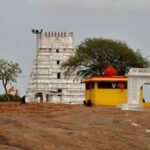
Nestled on the southern bank of the sacred Godavari River in Telangana, the Dharmapuri Lakshmi Narasimha Swamy Temple is one of the most revered Vaishnava shrines in South India. Known as the Dakshina Kashi (the Varanasi of the South), this ancient kshetra draws thousands of pilgrims every year seeking blessings, peace, and divine grace.
What sets Dharmapuri apart from other Narasimha temples is its rare distinction of housing multiple forms of Lord Narasimha under a single roof, combined with deep puranic roots and a living tradition of Vedic rituals. Whether you are a first-time visitor or a devoted pilgrim, this complete guide covers everything you need to know before visiting Dharmapuri temple.
Location and Geographic Importance
Dharmapuri is a historically significant town located in Jagtial District, Telangana. It sits beautifully on the southern banks of the Godavari River, approximately:
- 31 km from Jagtial town
- 70 km from Karimnagar
- 40 km from Mancherial
- 245 km from Hyderabad
One of the most fascinating geographical facts about Dharmapuri is that the Godavari River here flows from north to south, unlike its usual west-to-east direction elsewhere. This unique phenomenon is called Dakshina Vahini, which adds extraordinary spiritual value to the location. Bathing in the Dakshina Vahini Godavari is considered equivalent to performing sacred rites at Kashi (Varanasi).
The town is also known as Hari Hara Kshetra, a rare sacred space where Shaiva and Vaishnava traditions coexist harmoniously. A Lord Narasimha temple, a Sri Ramalingeshwara temple (Shiva shrine), and even a mosque exist side by side, making Dharmapuri a symbol of communal unity and religious diversity.
Presiding Deity – Lord Lakshmi Narasimha Swamy
The presiding deity of the temple is Sri Lakshmi Narasimha Swamy, the fourth avatar of Lord Vishnu. Narasimha, the half-man half-lion form of Vishnu, is worshipped here in his most serene aspect alongside his consort Goddess Lakshmi.
The temple complex is home to two main shrines:
- Pata Narasimha Swamy Temple (the original, older shrine): The Lord is depicted here in Padmasana (the lotus yogic posture), with his palms resting gently on his knees. This form of Narasimha in a meditative seated posture is considered extremely rare and holds immense spiritual significance.
- Kotta Narasimha Swamy Temple (the newer shrine, built in 1803 AD by Panatula Narayana Deekshitulu): Here, the Lord is worshipped in the Ugra (fierce) form.
Other notable deities found within the temple complex include:
- Eight different idols of Lord Hanuman
- A six-feet tall four-faced idol of Lord Brahma (a very rare sight)
- Idols of Lord Yama, Lord Krishna, and Lord Balarama
- Shrines of Lord Venkateswara, Sri Venugopala Swamy, and Sri Prasannanjaneya Swamy
Historical Background of Dharmapuri Temple
The Dharmapuri Lakshmi Narasimha Swamy Temple is one of the oldest surviving temples in Telangana, with its origins traced back to 850–928 BC. The temple was constructed during the reign of the Chalukya dynasty and later significantly expanded by the Kakatiya dynasty.
The town itself gets its name from its ancient ruler, King Dharma Varma, a devoted follower of Lord Narasimha who is credited with establishing this sacred kshetra.
During the Mughal period, the temple faced destruction. The Hyderabad Subedar Rustumdil Khan, with the backing of Emperor Aurangzeb, demolished the temple and constructed a mosque in its place. However, devotees refused to let this sacred site perish. The original Pata Narasimha Swamy Temple was reconstructed in 1448 AD, and the tradition of worship was revived.
Inscriptions found within the temple describe stories from both the Ramayana and Mahabharata. The Endowments Department of Telangana currently administers the temple and continues to oversee its renovation and daily operations.
Mythological Significance
Dharmapuri carries extraordinary weight in Hindu scriptures and folklore. The kshetra finds direct mention in two major Puranas:
- The Skanda Purana
- The Brahmanda Purana
The reference in these Puranas is made as “Dharmapura”, confirming the town’s ancient sacred status.
According to mythology, after Lord Narasimha slew the demon king Hiranyakashipu, his fierce anger did not subside. Fearing that this unchecked divine wrath would consume creation itself, the Devas (celestial beings) appealed to the Lord. It is believed that Lord Narasimha came to Dharmapuri and meditated in yoga-mudra here to calm himself, which is why his Pata form is depicted in a peaceful seated posture.
Another powerful legend involves the Bhadra stream that flows beside the temple. It is said that the stream was a devoted woman in her previous birth, who was reborn as a river so she could eternally flow beside Lord Vishnu’s abode. This makes the Bhadra stream a site of immense piety.
There is also the popular belief: “Those who visit Dharmapuri once will never need to fear Yamapuri (the realm of death).” This legend makes Dharmapuri a must-visit destination for devotees seeking moksha (liberation).
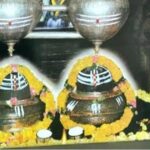
Additionally, it is believed that Lord Rama, during his exile and journey toward Dandakaranya, installed a Saikatha Linga (a Shiva lingam made of sand) at Dharmapuri and offered prayers here. This connects the site to the Ramayana and adds to its multi-tradition significance.
Temple Architecture and Layout
The Dharmapuri Lakshmi Narasimha Swamy Temple showcases a beautiful blend of Chalukyan and Kakatiya architectural styles, characteristic of medieval Telangana temple design.
Key architectural features include:
- A towering Rajagopuram (main entrance tower) adorned with carved figures of deities and celestial beings
- The Garbhagriha (sanctum sanctorum) housing the main idol of Pata Narasimha Swamy
- Spacious Mandapams (pillared halls) used for rituals, gatherings, and festival celebrations
- A Dhwaja Stambha (flagpole) standing tall in the temple courtyard
- Sacred Pushkarinis (holy tanks) near the Godavari bank for ritual bathing
- Sub-shrines of Garuda, Hanuman, and Alwar saints reflecting Vaishnavite tradition
- Intricate stone sculptures narrating scenes from the Ramayana and Mahabharata across the walls
The riverside setting adds a unique meditative quality to the temple. Sacred Gundams (water bodies) such as Brahma Gundam, Yama Gundam, Satyavathi Gundam, and Pala Gundam are located nearby, each with its own mythological story and ritual importance.
Daily Rituals and Sevas
Dharmapuri temple follows a strict schedule of Agamic rituals rooted in Vaishnava tradition. The daily poojas are performed with great devotion and draw devotees from all walks of life.
Key daily sevas include:
- Suprabhatam – Early morning wake-up prayers offered to the Lord
- Abhishekam – Ceremonial bathing of the deity with milk, honey, water, and other sacred ingredients (ticket price: approximately Rs. 150)
- Archana – Personalized nama-archana offered in the devotee’s name
- Naivedyam – Sacred food offering to the Lord
- Harati (Aarti) – Evening lamp offering with devotional hymns
Special arjitha sevas (paid offerings) can be booked at the temple counter on arrival. These include Kalyanam (celestial wedding ceremony), Sahasranama Archana, and Narasimha Homam. Devotees are advised to carry valid identification when booking sevas.
Dharmapuri Temple Timings
The Dharmapuri Lakshmi Narasimha Swamy Temple is open to devotees throughout the year with the following schedule:
| Session | Timings |
| Morning Session | 5:00 AM to 1:00 PM (or 2:00 PM) |
| Evening Session | 4:00 PM to 8:00 PM |
Darshan Duration:
- Weekdays: 15 to 20 minutes
- Weekends: 20 to 30 minutes
- Festival Days: 1 to 2 hours (extended darshan queues)
Important Notes:
- The temple does not close on any day of the week.
- On festival days, the break between afternoon sessions is often waived.
- The crowd is especially high on Swathi Nakshatra days (the birth star of Lord Narasimha).
- Timings may be slightly extended during major festivals and Godavari Pushkaralu.
Festivals Celebrated at Dharmapuri Temple
Dharmapuri is a temple town that truly comes alive during its festivals. The major celebrations include:
1. Brahmotsavam Jathara (March–April) This is the grandest festival of the temple, celebrated over 13 days starting from Phalguna Shudha Ekadashi. The Utsava Murti (processional idol) of Lord Narasimha is adorned with gold jewelry and garlands, then taken out in a grand chariot procession. Lakhs of devotees from across Telangana and neighboring states attend this event.
2. Sri Narasimha Jayanti Celebrated in the month of Vaishakha, this festival marks the appearance day of Lord Narasimha with special Abhishekams, Homams, and continuous Vedic chanting.
3. Narasimha Navarathri Utsavams Conducted from Vyshakha Shudha Sashti to Chaturdashi, this nine-night festival involves special sevas and cultural programs.
4. Vaikunta Ekadashi One of the holiest days in the Vaishnava calendar, celebrated with overnight vigil, special darshan, and divine celebrations.
5. Godavari Pushkaralu Held every 12 years, this mega-pilgrimage event transforms Dharmapuri into a major spiritual hub. Millions of pilgrims gather to take a holy dip in the Godavari River near the temple.
6. Bonalu and Dussera These regional Telugu festivals are also observed at the temple with traditional fervor.
Spiritual Benefits of Visiting Dharmapuri
Devotees and scriptures attribute the following spiritual benefits to visiting Dharmapuri Kshetra:
- Liberation from the cycle of birth and death (Moksha)
- Relief from severe health ailments through Abhishekam and prayers
- Fulfillment of long-pending wishes and desires
- Removal of fear and obstacles from one’s life
- Blessings for family harmony, prosperity, and spiritual growth
- A bath in the Dakshina Vahini Godavari is said to cleanse all sins
The popular legend that one who visits Dharmapuri need not visit Yamapuri reflects the immense belief devotees have in this sacred space.
How to Reach Dharmapuri Temple
By Air: The nearest airport is Rajiv Gandhi International Airport, Hyderabad, approximately 245–264 km away. From Hyderabad, take a bus or hire a cab to reach Dharmapuri.
By Train: The nearest railway station is Mancherial Railway Station, located about 40–42 km from the temple. Taxis and auto-rickshaws are available from Mancherial to Dharmapuri. Peddapalli railway station (51 km away) is another convenient option.
By Road: Direct TSRTC buses are available from:
- Hyderabad (Mahatma Gandhi Bus Station)
- Karimnagar
- Mancherial
- Ramagundam
- Jagtial
Interstate buses from Nagpur, Mumbai, Bhivandi, and Nanded also connect to Dharmapuri, making it accessible for out-of-state pilgrims.
Accommodation and Facilities
Dharmapuri offers several options for overnight stays:
- Temple choultries and guest rooms managed by the temple administration (bookable at the counter or through the official website during festivals)
- Private lodges and hotels in and around Dharmapuri town at budget-friendly prices
- Dharmashalas near the temple complex for pilgrims on a tight budget
Facilities available at the temple complex include:
- Clean restrooms and drinking water
- Annadanam (free sacred food distribution)
- Cloak room for luggage storage
- Prasadam counters
Nearby Temples and Attractions
A visit to Dharmapuri can be combined with darshan at these nearby sacred sites:
- Sri Ramalingeshwara Swamy Temple – Located right within the Dharmapuri complex, this 1,000-year-old Shiva temple is associated with Lord Rama’s exile journey.
- Kondagattu Anjaneya Swamy Temple – Approximately 45–50 km from Dharmapuri, famous for curing mental illness and psychological disorders.
- Vemulawada Rajarajeshwara Temple – Around 65–70 km away, one of the largest Shiva temples in Telangana.
- Basara Saraswathi Temple – About 170 km from Dharmapuri, famous for Vidyarambham (initiation into learning).
The Brahma Gundam, Yama Gundam, Satyavathi Gundam, and Pala Gundam within Dharmapuri town itself are sacred water bodies worth visiting.
Cultural and Religious Importance
Dharmapuri is far more than just a temple town. It has been a center of Vedic learning, Sanskrit scholarship, fine arts, and classical Telugu literature for centuries. The town hosts one of the largest settlements of Vedic Brahmins in Telangana, and traditional families here still maintain ancient Vedic practices and possess rare Talapatra scriptures (palm leaf manuscripts).
There is a Sanskrit college in Dharmapuri, and the town has historically produced scholars, poets, and artists. Poets like Cherikonda Dharmana, Krishnagiri Venkatagiri, and Sheshappa flourished here.
The temple also represents a living example of Hari Hara unity, where devotees of both Shiva and Vishnu worship side by side without conflict. This cultural legacy makes Dharmapuri unique not just as a pilgrimage site, but as a spiritual heritage destination.
Best Time to Visit Dharmapuri Temple
The ideal time to visit Dharmapuri Lakshmi Narasimha Swamy Temple is from October to July. The monsoon months (August and September) can make travel difficult due to high Godavari water levels.
Festival seasons (March–April for Brahmotsavam and May for Narasimha Jayanti) offer the richest spiritual experience but also draw the largest crowds.
Weekday mornings are best for a calm and unhurried darshan experience. Avoid visiting on Swathi Nakshatra days if you prefer shorter queues.
Devotee Guidelines
- Dress modestly in traditional Indian attire (dhoti/saree preferred)
- Remove footwear before entering the temple premises
- Mobile phones and photography may be restricted in the sanctum sanctorum
- Maintain silence and decorum inside the temple
- Do not consume non-vegetarian food or alcohol on the day of your visit
- Senior citizens and differently-abled visitors may inquire about accessible entry paths at the counter
- Carrying a valid ID card is recommended when booking paid sevas
Vemulawada to Dharmapuri Temple Distance
The distance from Vemulawada Rajarajeshwara Temple to Dharmapuri Lakshmi Narasimha Swamy Temple is approximately 65 to 70 kilometers. The journey takes around 1.5 to 2 hours by road.
Best Route: Vemulawada → Karimnagar → Jagtial → Dharmapuri
TSRTC buses connect Vemulawada and Karimnagar to Jagtial, from where you can take local transport to Dharmapuri. Many pilgrims combine both shrines into a single-day pilgrimage circuit.
Kondagattu to Dharmapuri Temple Distance
The distance from Kondagattu Anjaneya Swamy Temple to Dharmapuri Lakshmi Narasimha Swamy Temple is approximately 45 to 50 kilometers by road.
Best Route: Kondagattu → Jagtial → Dharmapuri
The roads are in decent condition, and the drive takes roughly 1 to 1.5 hours. Kondagattu and Dharmapuri together form a popular dual-temple pilgrimage circuit in Jagtial district.
Hyderabad to Dharmapuri Temple
From Hyderabad, Dharmapuri is approximately 245 to 250 kilometers away. The route is well-connected and usually takes around 4 to 5 hours by road.
Recommended Routes from Hyderabad:
- Hyderabad → Karimnagar → Jagtial → Dharmapuri (via NH 163)
- Hyderabad → Ramagundam → Mancherial → Dharmapuri
Travel Options:
- TSRTC buses from Mahatma Gandhi Bus Station (MGBS), Hyderabad to Jagtial or Mancherial, then local transport
- Private cab or self-drive for convenience
- Train to Mancherial (40 km from temple), then taxi or bus
Dharmapuri Temple Online Booking
For special sevas such as Abhishekam, Archana, Sahasranama, and Narasimha Homam, devotees can inquire about booking through the official temple website at www.dharmapurinarasimhaswamy.org.
Important points about booking:
- Seva tickets for same-day visits can be purchased directly at the temple counter on arrival.
- As per recent information, online booking for regular sevas may be limited. It is recommended to check the official website or contact the temple directly before your visit.
- During major festivals like Narasimha Jayanti and Brahmotsavam, advance booking through official channels is strongly recommended as slots fill up quickly.
- Accommodation in temple-managed guest houses and choultries can also be inquired about through the official website.
Always verify the latest booking details directly with the temple administration before planning your trip.
Dharmapuri Temple Contact Number
For seva bookings, room reservations, and general inquiries, devotees can contact the temple through the following channels:
- Official Website: www.dharmapurinarasimhaswamy.org
- Temple Administration (Endowments Department, Telangana): Contact via the Telangana Endowments Department official portal for current phone numbers.
- Telangana Tourism Tollfree: 1800 425 46464
It is advisable to call ahead during festival seasons to confirm timings, seva availability, and accommodation.
FAQ’s
Is Dharmapuri Temple free to visit?
Yes, general darshan at Dharmapuri Lakshmi Narasimha Swamy Temple is completely free. Paid tickets are only required for special sevas like Abhishekam.
What is the best time to visit Dharmapuri Temple?
October to July is the best time. Avoid the heavy monsoon months of August and September due to high Godavari water levels.
Which are the three forms of Narasimha at Dharmapuri?
The temple is known for housing Yoga Narasimha (meditative form), Ugra Narasimha (fierce form), and the seated Padmasana form in the Pata Narasimha Swamy shrine.
What is Dharmapuri’s spiritual claim to fame?
Dharmapuri is called Dakshina Kashi and is one of the nine Nava Narasimha Kshetras in Telangana and Andhra Pradesh, making it one of the holiest Narasimha pilgrimage sites in India.
How far is Dharmapuri from Hyderabad?
Dharmapuri is approximately 245 to 250 km from Hyderabad, roughly a 4 to 5 hour drive.
Is photography allowed inside the temple?
Photography is generally restricted inside the sanctum sanctorum. Visitors should follow the temple’s guidelines at all times.
What are the nearest railway stations to Dharmapuri?
Mancherial Railway Station (40 km) and Peddapalli Railway Station (51 km) are the nearest options.
Conclusion
The Dharmapuri Lakshmi Narasimha Swamy Temple is not just a place of worship. It is a living repository of Telangana’s ancient Vedic heritage, architectural brilliance, and unbroken devotional tradition. From its mythological connection to Lord Narasimha’s meditation to the rare sight of a Padmasana Narasimha idol, every element of this temple carries deep spiritual meaning.
Whether you are seeking divine blessings, historical knowledge, or a peaceful spiritual retreat by the banks of the sacred Godavari, Dharmapuri delivers an experience unlike any other. Plan your visit with this guide, follow the devotee guidelines, and immerse yourself in one of South India’s most cherished pilgrimage destinations.
Jai Lakshmi Narasimha Swamy!