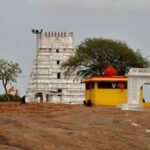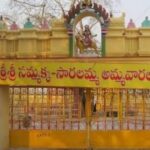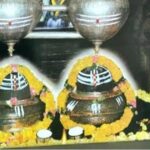
Nestled on a peaceful hillock in the Siddipet district of Telangana, the Komuravelli Mallanna Temple stands as one of the most powerful and emotionally charged pilgrimage destinations in all of South India. Every year, millions of devotees climb this sacred hill to seek the blessings of Lord Mallanna, also known as Mallikarjuna Swamy, a fierce yet compassionate folk form of Lord Shiva.
What makes this temple unique is not just its spiritual energy, but the raw, unfiltered devotion that fills its premises. From shepherds and farmers who first worshipped here centuries ago to modern-day pilgrims traveling hundreds of kilometers, the faith in Mallanna has never wavered. The traditions here are deeply rooted in Telugu culture, the rituals are conducted in the Telugu language, and the stories of the deity are sung rather than read.
Whether you are planning your first darshan or want to learn everything before visiting, this complete guide covers the temple location, bus routes, timings, history, festivals, and much more.
Komuravelli Temple Location
The Komuravelli Mallanna Swamy Temple is situated in Komuravelli village, Cherial Mandal, Siddipet District, Telangana. It is perched on a small hillock locally known as Indrakeeladri, close to State Highway 1 (SH-1), also called the Rajiv Rahadari, the Hyderabad–Karimnagar Highway.
Key distance references from major cities:
- Hyderabad: Approximately 85 km
- Siddipet: Approximately 22 km
- Warangal: Approximately 110 km
- Karimnagar: Approximately 65 km
- Rajiv Gandhi International Airport, Hyderabad: Approximately 145 km
The temple sits right along a well-maintained state highway, making it easily accessible by road from all major towns in Telangana.
Komuravelli Temple Room Booking
Devotees who travel from distant places can arrange accommodation near the temple. The Endowments Department manages several choultries (rest houses) in and around the temple complex for visiting pilgrims.
Here is how you can book rooms:
- Online Booking: Available through the official temple website for room and darshan reservations
- Booking Office: Located near the temple main entrance for on-spot room and seva ticket booking
- Visiting Hours for Booking Counter: 8:00 AM to 5:00 PM daily
- Email for Advance Queries: info@komuravellitemple.in
- Nearest Accommodation Outside Temple: The town of Siddipet, located 22 km away, offers several budget hotels and lodges
It is strongly recommended to book in advance during the Jatara season, Maha Shivaratri, and Sundays as these dates attract extremely large crowds.
Read More: Falaknuma Kali Mata Temple Hyderabad – History, Significance, Timings & Complete Darshan Guide
Kondagattu to Komuravelli Temple Distance
Many pilgrims plan a two-temple spiritual journey combining Kondagattu Anjaneya Swamy Temple and the Komuravelli Mallanna Temple.
The distance between the two temples is approximately 100 to 110 kilometers by road, and the travel time is around 2.5 to 3 hours, depending on traffic and road conditions.
A commonly used route is:
Kondagattu → Jagtial → Karimnagar → Siddipet → Gajwel → Komuravelli
Devotees can use private vehicles, hired taxis, or TSRTC buses for this journey, with a possible change at Karimnagar or Siddipet. The scenic route passes through beautiful Telangana countryside, making the drive a pleasant experience in itself.
Komuravelli Temple EO Contact Number
For official inquiries, seva bookings, administrative queries, and other temple-related matters, you can contact the temple office directly:
- Designation: Dy. Commissioner and Executive Officer, Sri Mallikarjuna Swamy Devasthanam
- Address: Village: Komuravelli, District: Siddipet, Telangana, Pin Code: 506 223
- Phone Number: 08710-226201
- Official Email: eo_smdk@yahoo.co.in
It is advisable to call during working hours (9:00 AM to 5:00 PM on weekdays) for the best response.
Komuravelli Mallanna Temple Bus Route
The temple is well connected by road and TSRTC (Telangana State Road Transport Corporation) operates regular bus services from several cities.
Bus routes and boarding points include:
- From Hyderabad / Secunderabad (JBS): Direct buses on the Hyderabad–Karimnagar highway via Siddipet and Gajwel
- From Siddipet: Frequent local buses and shared vehicles to Komuravelli (22 km)
- From Warangal: Direct and connecting buses via Siddipet
- From Jangoan: Direct bus available to the temple (Jangoan railway station is 45 km away)
- From Karimnagar: Regular buses that pass through Siddipet
The nearest railway station is Jangoan Railway Station (approximately 45 km away). Warangal and Secunderabad railway stations are also commonly used. Note that in 2024, the state government laid the foundation stone for a Komuravelli Railway Station as part of the Kothapalli–Manoharabad line, which will make future access even easier.
JBS to Komuravelli Bus Timings – TSRTC Ticket Price
Devotees traveling from Jubilee Bus Station (JBS) in Secunderabad or Hyderabad will find the journey straightforward and budget-friendly.
Key details:
- Departure Times from JBS: Early morning buses typically depart between 5:00 AM and 7:00 AM, ideal for those wanting to attend morning darshan
- Frequency: Multiple services throughout the day operate on the Hyderabad–Karimnagar route, passing through Siddipet and Gajwel
- Travel Time: Approximately 2 to 2.5 hours from Hyderabad to the nearest stop
- TSRTC Ticket Price: For the approximately 80 to 90 km journey, ordinary bus fares range from ₹100 to ₹200 per person (one way), with express and AC buses priced slightly higher
- Last Leg: From Siddipet or Gajwel, shared autos, local buses, or cabs cover the remaining distance to Komuravelli village
Always check the TSRTC official website or local booking counters for the most current schedule updates, especially during festival seasons when special buses are added.
Komuravelli Temple History
The history of the Komuravelli Mallanna Temple is rooted in oral tradition rather than written records. No ancient inscriptions or formal documents describe its founding, yet devotees believe the sacred clay idol of Lord Mallikarjuna Swamy was created approximately 500 years ago by Komaranna, a devout man from the Yadav community who performed deep penance (tapas) for Lord Shiva on this very hilltop.
According to local belief, Komaranna’s intense devotion moved Lord Shiva, who appeared before him in the form of Mallanna. Komaranna then installed the divine idol on the hilltop, establishing what would become one of Telangana’s most visited shrines. The original idol — 8 feet tall and made entirely of clay — stands in the sanctum to this day, a remarkable testament to ancient craftsmanship and faith.
Over centuries, the Endowments Department of Telangana renovated the temple complex and constructed mandapams (prayer halls), choultries, and other facilities for pilgrims. Despite this modernization, the temple’s soul remains unchanged. Worship is still conducted in the Telugu language, with all mantras chanted in Telugu rather than Sanskrit — a distinctive and inclusive tradition that sets this temple apart from most major shrines in India.
Who Is Lord Mallanna?
Lord Mallanna is widely regarded as a folk incarnation of Lord Shiva, revered primarily among the rural, pastoral, and warrior communities of Telangana and Maharashtra. He is known by several names across regions:
- Mallikarjuna Swamy in Telangana
- Khandoba in Maharashtra
- A form closely associated with the cosmic energy of Shiva
The main idol in the Komuravelli temple depicts Mallanna in a fierce form with a curled mustache, holding a trident and a small hand drum (damaru) in his upper hands, and a pearl bowl filled with turmeric (bandari) in his lower hand. Golden serpents coil around his waist and arms, and the severed heads of the three demon kings (Tripurasuras) rest at his feet, symbolizing his victory over evil.
Lord Mallanna is flanked by his two consorts:
- Golla Kethamma (a pastoral goddess, beloved by shepherding communities)
- Medalamma / Bramarambika (an incarnation of Goddess Parvati)
Below the main idol, there is also a Shiva Linga, reinforcing Mallanna’s divine connection with the supreme Shiva consciousness. Next to the main shrine stand the utsava (procession) idols of Lord Mallanna and Veerabhadra.
The temple premises also houses statues of Saint Renukacharya and Saint Basaveswara, and a sacred plum tree grows within the temple grounds, considered deeply auspicious by devotees.
Unique Worship Traditions and Beliefs
What truly separates the Komuravelli Mallanna Temple from thousands of other Shiva temples is its vibrant, folk-centered worship culture.
Oggu Katha: The story of Lord Mallanna is not written in any scripture. It is passed down entirely through an oral performance art called Oggu Katha, where specialized folk singers narrate the life, battles, and divine deeds of Mallanna using percussion instruments called “Oggu.” These singers, known as Oggu Pujaris, are the primary priests of this temple and belong to traditional communities.
Patnam Rangoli: During prayer sessions, Oggu Pujaris draw an intricate rangoli called Patnam in front of the idol inside the main hall and in the temple verandah. This is a sacred offering in visual form, drawn as an act of deep devotion.
Telugu Language Worship: All mantras, rituals, and prayers at this temple are performed exclusively in Telugu. This is a rare and significant tradition that makes the temple deeply accessible and meaningful to local communities who connect with worship in their mother tongue.
Turmeric Offerings: Devotees commonly offer turmeric (haldi) and bandari (a turmeric-based sacred substance) to Lord Mallanna, a tradition believed to bring health, protection, and the fulfillment of vows (mokkus).
Architecture and Temple Layout
The Komuravelli Mallanna Temple is a cave temple built into the natural rock face of the Indrakeeladri hillock. Its architecture follows the style of Telangana’s folk shrines — raw, earthy, and deeply connected to the natural landscape.
Key architectural and layout features include:
- Main Sanctum (Garbhagriha): Houses the 8-foot clay idol of Lord Mallanna with his consorts
- Yellamma Temple: Located adjacent to the Mallanna Temple
- Veerabhadra Cave Temple: Situated on the way down the hill from the main shrine
- Mandapam (Prayer Hall): Renovated and maintained by the Endowments Department
- Choultries: Rest houses built for visiting pilgrims
- Sacred Plum Tree: Inside the temple premises, considered auspicious
- Statues at Entrance: Large statues of Saint Renukacharya and Saint Basaveswara welcome devotees as they enter
Photography is not permitted inside the main temple premises.
Komuravelli Jatara – The Grand Festival
The Komuravelli Mallanna Jatara is one of the largest and most celebrated folk festivals in all of Telangana, drawing lakhs of devotees from across the state and from neighboring Maharashtra and other regions.
The Jatara begins on Makar Sankranti (mid-January) and continues until Ugadi (Telugu New Year, typically March or April). During this several-week-long festival season, devotees visit the temple on every Sunday to offer prayers and fulfill vows.
Major events during the Jatara:
- Brahmotsavam: Grand sacred ceremonies beginning on Makar Sankranti
- Pedda Patnam: The biggest celebration held on Maha Shivaratri, when lakhs of pilgrims converge for the extended Patnam rangoli ritual and continuous prayers
- Agni Gundaalu (Fire Walking): Held on the Sunday immediately before Ugadi, this powerful ritual involves devotees walking on burning coals as the ultimate act of faith and fulfillment of a sacred vow
- Annual Idol Coloring: Once a year, the main clay deity is repainted and adorned, attracting enormous crowds to witness this rare occasion
During the Jatara period, the temple remains open for nearly the entire day and night, with extended darshan available to accommodate the massive influx of pilgrims.
Komuravelli Temple Timings
Knowing the correct timings before you visit will save you time and ensure a smooth darshan experience.
Regular Daily Timings:
| Session | Timings |
| Temple Opening | 4:30 AM |
| Morning Darshan | 6:00 AM to 12:00 PM |
| Afternoon Break | 12:00 PM to 3:00 PM |
| Evening Darshan | 3:00 PM to 7:00 PM / 8:30 PM |
| Temple Closing | 8:30 PM to 9:00 PM |
Special auspicious days like Mondays, Amavasya (new moon), and Ekadashi see extended darshan hours and significantly higher devotee footfall. The temple generally opens as early as 4:00 AM on these occasions.
Komuravelli Temple Timings on Sunday
Sundays are the most popular days to visit throughout the year, and particularly during the Jatara season (Sankranti to Ugadi) when every Sunday becomes a major celebration.
On Sundays, the temple opens from 5:00 AM to 10:00 PM, with extended operations during Jatara Sundays. Darshan sessions are organized in waves throughout the day. Expect large queues, especially during early morning hours (5:00 to 9:00 AM) and in the evening (4:00 to 7:00 PM). During festivals, the temple may remain open around the clock.
Tickets and Sevas
The temple offers several seva (service) options for devotees who wish to participate in specific rituals:
- Kalyanam Seva: Witnessing the sacred celestial wedding ritual of Lord Mallanna and his consorts. Time slots are scheduled to ensure orderly participation.
- Special Darshan Tickets: Available at the temple booking counter for devotees who wish to avoid long general queues
- Advance Booking: Recommended for Kalyanam Seva tickets, available online and at the temple entrance counter
Session Slots for Sevas:
- Morning Session: 7:00 AM to 9:00 AM (early blessings)
- Late Morning: 10:00 AM to 12:00 PM (includes daily ritual offerings)
- Afternoon: 1:00 PM to 3:00 PM (suitable for families)
Dress Code and Devotee Discipline
Maintaining decorum inside this sacred space is important. The following guidelines must be followed:
- Dress Code: Traditional and modest attire is mandatory. Avoid jeans, shorts, and sleeveless tops. Sarees, dhotis, churidars, and kurta-pyjamas are appropriate.
- Footwear: Not permitted inside the temple premises. Carry a bag to hold your shoes.
- Photography: Strictly prohibited inside the main temple and sanctum.
- Mobile Phones: Keep phones on silent or off during prayer sessions.
Facilities for Devotees
The temple trust and Endowments Department have developed several facilities to ensure devotees have a comfortable and meaningful visit:
- Choultries (rest houses) for overnight accommodation
- Basic food stalls and eateries near the temple complex
- Drinking water facilities on the temple premises
- Separate queues for senior citizens, differently-abled devotees, and women with children
- Parking facilities near the base of the hill (can become congested on Sundays and festival days — arrive early)
- Cloakroom for footwear storage
Cultural and Social Importance
The Komuravelli Mallanna Temple is far more than a religious site. It serves as a cultural nucleus for the pastoral and agricultural communities of Telangana. The Kuruma (shepherd) and Yadav communities hold Lord Mallanna as their supreme deity and are deeply involved in the temple’s rituals and management.
The tradition of Oggu Katha performed here is recognized as a living cultural heritage that keeps ancient storytelling alive in an age of digital media. The temple also fosters a strong sense of community, with devotees from all castes, economic backgrounds, and regions coming together in shared devotion.
The annual Jatara, in particular, functions as a massive community gathering where folk art, traditional music, and regional cuisine all come alive around the central axis of spiritual faith.
Myths, Legends, and Miracles
The story of Lord Mallanna, as told through Oggu Katha, describes a divine journey filled with adventure, love, and cosmic justice. According to these oral narratives:
Mallanna, an incarnation of Shiva, traveled on a flying horse and engaged in a series of challenges set by the brothers of Goddess Medalamma as conditions for her hand in marriage. He conquered every challenge and successfully married Medalamma (also called Bramarambika), bringing her home to Komuravelli.
Devotees also believe that it was Lord Shiva himself who first appeared in the form of Mallanna in Malegaon, Maharashtra, before the sacred form was established at Komuravelli.
Local legends speak of countless miracles attributed to Lord Mallanna — from the healing of serious illnesses to protection from natural disasters, resolution of legal disputes, and the blessing of childless couples. These stories of divine intervention continue to grow with each passing generation, and devotees who fulfill vows at this temple (known as mokkus) remain deeply convinced of the deity’s living presence and direct grace.
Best Time to Visit
The Komuravelli Mallanna Temple is open throughout the year, but certain periods offer a far richer experience than others.
Peak Season (Most Vibrant): The period from Makar Sankranti to Ugadi (typically mid-January to March or April) is the Jatara season. Every Sunday during this period sees enormous gatherings. Maha Shivaratri, in particular, draws the single largest crowd of the year for Pedda Patnam.
Auspicious Days (Regular Visits): Mondays, Amavasya (new moon nights), and Ekadashi are considered especially powerful for darshan. Early mornings on these days offer a deeply spiritual atmosphere.
Quietest Period: Post-Ugadi months (April to June, outside summer vacations) tend to have smaller crowds, making it ideal for those who prefer a calm, unhurried darshan experience.
Weather Consideration: October to February offers pleasant weather for the journey, especially since a portion of the visit involves climbing the hillock.
Nearby Attractions
While visiting Komuravelli, consider exploring these nearby destinations:
- Konda Pochamma Temple: Located very close to the Mallanna Temple, visited by most pilgrims as part of the same trip
- Yellamma Temple: Adjacent to the main Mallanna Temple on the same hillock
- Kondagattu Anjaneya Swamy Temple: Located about 100 to 110 km away, a popular extension to a Komuravelli pilgrimage
- Siddipet Town: 22 km away, offering accommodation, restaurants, and local shopping
- Shamirpet Lake Resort: Located on the Karimnagar highway, about 24 km from Hyderabad — a pleasant stopover
Frequently Asked Questions
What is the Komuravelli Mallanna Temple famous for?
It is famous for housing a 500-year-old clay idol of Lord Mallanna (a folk form of Shiva), unique Telugu-language worship rituals, Oggu Katha performances, and the grand annual Mallanna Jatara festival.
What are the Komuravelli Temple timings?
The temple is open from 4:30 AM to 8:30 PM daily, with an afternoon break from 12:00 PM to 3:00 PM. On Sundays and festival days, hours are extended up to 10:00 PM or beyond.
How do I reach Komuravelli from Hyderabad?
TSRTC buses from JBS (Jubilee Bus Station) operate regularly on the Hyderabad–Karimnagar highway via Siddipet. The journey covers approximately 85 km and takes about 2 to 2.5 hours.
What is the TSRTC ticket price from JBS to Komuravelli?
The ordinary bus fare from JBS to Siddipet or Gajwel (nearest major stops) ranges from ₹100 to ₹200 per person for a one-way journey, depending on the bus type.
Is there accommodation near Komuravelli Temple?
Yes, the temple trust operates choultries for pilgrims. Budget hotels and lodges are also available in Siddipet town, approximately 22 km away.
What is the EO contact number for Komuravelli Temple?
The Executive Officer of Sri Mallikarjuna Swamy Devasthanam can be reached at phone number 08710-226201, or via email at eo_smdk@yahoo.co.in.
What is the distance from Kondagattu to Komuravelli Temple?
The distance between Kondagattu Anjaneya Swamy Temple and Komuravelli Mallanna Temple is approximately 100 to 110 km by road, with a travel time of around 2.5 to 3 hours.
Is photography allowed inside Komuravelli Temple?
No, photography is strictly prohibited inside the main temple and sanctum premises.
What is Oggu Katha at Komuravelli Temple?
Oggu Katha is a traditional folk storytelling performance by Oggu Pujari singers who narrate the life and deeds of Lord Mallanna using percussion instruments. It is the primary mode of worship and storytelling at this temple.
When is the Komuravelli Mallanna Jatara celebrated?
The Jatara begins on Makar Sankranti (mid-January) and continues until Ugadi (March or April). Major events include Pedda Patnam on Maha Shivaratri and Agni Gundaalu on the Sunday before Ugadi.
Conclusion
The Komuravelli Mallanna Temple is not simply a place of worship, it is a living, breathing expression of Telangana’s folk culture, communal faith, and centuries-old spiritual heritage. From the mesmerizing Oggu Katha performances to the fire-walking devotion of Agni Gundaalu, every tradition here carries weight, meaning, and an unbroken thread connecting the present to the ancient past.
Whether you come seeking a miracle, fulfilling a long-held vow, or simply wanting to experience one of Telangana’s most powerful spiritual atmospheres, Komuravelli will leave you changed. Plan your visit using the timings, bus routes, and booking details shared in this guide, and give yourself the gift of standing before Lord Mallanna on that sacred hilltop. The deity is known to hear every prayer. Go with faith, and go prepared.