Tucked away in the serene landscape of Telangana, the Cheruvugattu Shiva Temple is one of the most spiritually charged destinations near Hyderabad. Formally known as Sri Parvathi Jadala Ramalingeswara Swamy Devasthanam, this ancient hillock temple draws hundreds of thousands of devotees every year, especially during the grand Cheruvugattu Jatara. Whether you are a devoted pilgrim or a curious traveler, this complete guide covers everything you need to know before you visit.
Cheruvugattu Temple Location and Geography
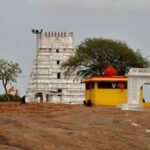
Cheruvugattu Temple sits on a small hillock in Cheruvugattu village (also referred to as Yellareddygudem), within Narketpally Mandal of Nalgonda district, Telangana. The village takes its name from the Telugu words “cheruvu” (lake) and “gattu” (hillock), reflecting the scenic lake that sits right beside the temple complex.
The hillock rises to an elevation of approximately 311 meters above sea level. Dense boulders, native trees, and a sprawling 48-acre rocky terrain surround the shrine, giving it a distinctly raw, ancient character. The tranquil water body adjacent to the hill adds to the divine atmosphere, making the setting as visually striking as it is spiritually meaningful.
Cheruvugattu Temple History
The history of Cheruvugattu Temple stretches back several centuries. According to local inscriptions and oral traditions, the temple existed during the Kakatiya period, when Shaivism flourished across the Telugu regions. The site is deeply woven into Puranic legend and holds a special place in Shaiva pilgrimage culture across South India.
Mythological accounts trace its origins to the Treta Yuga, linking the temple’s founding to the legendary warrior-sage Parashurama. As per the Sthalapuranam, Kartavirya (also called Karthikaya) stole the divine wish-fulfilling cow Kamadhenu from Sage Jamadagni’s ashram during Parashurama’s absence. On his return, Parashurama fought and slew Kartavirya on the banks of the river Narmada. However, when he departed again, the Haihayas avenged Kartavirya’s death by beheading Sage Jamadagni. The sage’s body bore twenty-one arrow wounds.
Consumed by grief and righteous fury, Parashurama took a sacred oath to rid the earth of corrupt Kshatriyas. He is said to have circumnavigated the earth twenty-one times to fulfill his vow. During this pilgrimage, he installed 108 Shiva lingas at spiritually potent locations across India. The Cheruvugattu Shiva linga is believed to be the 108th, and final, installation of this sacred journey, making it uniquely significant among Shaiva pilgrimage sites.
Presiding Deity – Sri Someshwara Swamy
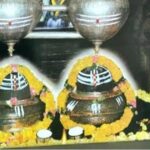
The presiding deity of this temple is Sri Jadala Ramalingeswara Swamy (also worshipped as Sri Someshwara Swamy), a form of Lord Shiva. One of the most remarkable aspects of this Shiva linga is its west-facing orientation, a rare feature in Hindu temple tradition, where most Shiva lingas face east.
According to legend, after Parashurama installed the linga, it began growing continuously. To stop this phenomenon, he struck it with his axe. The mark from that blow is said to be visible on the top of the lingam even today, giving the deity a distinctive appearance that pilgrims consider deeply auspicious.
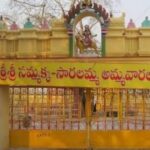
The Goddess Sri Parvathi Ammavari Temple stands at the base of the hill as a sub-shrine, and devotees offer prayers to both the divine pair during their visit.
Temple Architecture
The main Garbhagriham (sanctum sanctorum) is uniquely positioned between large natural rock formations, devotees must physically pass through a narrow passage between two massive boulders to reach the inner shrine. This passage, known locally as the “Muddu Gundlu” or three-stone structure, is considered purifying; devotees believe that passing through it cleanses them of accumulated sins.
The hillock features several sacred spots:
- The main Shiva linga inside the rock enclave
- Mudugundlu, three large boulders housing a Shiva linga on top, accessible via iron steps
- Yellamma Ammavari Temple
- Sri Anjaneya Swamy Temple
- Sri Bhairava Swamy Temple
- Gopadam (sacred footprint site)
Visitors can reach the temple either by climbing approximately 365 stone steps or by vehicle on the ghat road, which brings them very close to the entrance. Elderly pilgrims and those with mobility concerns typically opt for the road route.
Cheruvugattu Jatara – One of Telangana’s Largest Shiva Festivals
The Cheruvugattu Jatara, held annually during the Telugu month of Magha (January–February), is widely regarded as one of the largest Shiva festivals in South India. The festival spans six days, beginning on Ratha Saptami and concluding on Magha Shukla Dwadashi as per the Telugu Panchangam.
During the Jatara, lakhs of devotees pour in from across Telangana, Andhra Pradesh, and neighboring states. The chants of “Hara Hara Mahadeva” and “Om Namah Shivaya” echo across the hillside day and night, creating a spiritually electrifying atmosphere unlike anything else in the region.
Recent Jatara dates:
- 2026: January 23 to January 30
- 2025: February 2 to February 9
- 2024: February 14 to February 21
Highlights of the Jatara
The Brahmotsavams (grand festival sequence) follow a structured itinerary that builds in intensity over the six-day period:
- Nagarotsavam – The festivities kick off with a grand serpent procession in the evening
- Swami Vari Kalyana Mahotsavam – The celestial wedding of Lord Ramalingeswara with Goddess Parvathi, held on Ratha Saptami
- Agnigundalu – Devoted pilgrims walk barefoot over burning coal embers as an act of supreme surrender and faith
- Deepotsavam – A magnificent lamp-lighting ceremony held in the evening
- Mahapurnahuti – A grand homa (sacred fire ritual) performed by priests
- Puspotsavam – A flower offering ceremony for the deity
- Gaja Vahanam – The temple deities are carried in a majestic elephant procession through the village on the final day, marking the formal conclusion of the Brahmotsavams
The night-long darshan of Lord Shiva available during the Jatara is considered one of the most powerful spiritual experiences in the entire region.
Rituals and Sevas
Daily rituals at Cheruvugattu Temple are performed in accordance with Shaiva Agama traditions. Regular sevas include:
- Archana (floral offering with recitation of names)
- Abhishekam (ritual bathing of the Shiva linga)
- Bilvarchana (offering of sacred bilva leaves)
- Panchamrutha Abhishekam (bathing with five sacred substances)
- Ksheerabhishekam (milk abhishekam)
- Mahanivedana (grand food offering)
- Ashtottaram (recitation of 108 names)
- Kumkumarchana (vermilion offering, especially for Goddess Parvathi)
Prasadams distributed to devotees include Laddu and Pulihora at a nominal cost.
Special Sevas
During peak days and the Jatara period, special sevas such as Jyothirlingarchana and dedicated Karthika Masam poojas are conducted. Harati tickets, Abhishekam bookings, and Archana (approximately Rs. 30) can be arranged at the temple counter. On every Amavasya (new moon night), devotees from surrounding areas arrive to sleep inside or near the temple premises, believing that the deity resolves their deepest problems by morning.
Cheruvugattu Temple Timings
The temple is open every day of the year. Standard daily timings are:
- Morning session: 6:00 AM to 1:00 PM
- Evening session: 3:00 PM to 7:30 PM (some sources note up to 8:00 PM)
Timings are extended during major festivals, Mondays, and on Amavasya days to accommodate larger crowds. Mondays (Somavaram) hold special significance for Shiva devotees, and the temple sees noticeably higher footfall on these days.
How to Reach Cheruvugattu Temple
Cheruvugattu is well-connected by road and easily accessible from Hyderabad and surrounding districts.
By Road (Recommended Route from Hyderabad): Hyderabad → Bhongir → Nalgonda Road → Kattangur → Cheruvugattu
By Bus:
- From MGBS (Mahatma Gandhi Bus Station), Hyderabad, take any bus toward Narketpally, Miryalguda, Suryapet, or Nalgonda
- Alight at Narketpally (4–5 km from the temple) and board a local bus or auto-rickshaw to reach the temple
- Direct TSRTC buses from Rajiv Gandhi Bus Station (Imliban), Hyderabad, and Ibrahimpatnam are available on Amavasya days and during the Jatara period
By Train:
- Chityala Railway Station: 11 km
- Ramannapeta Railway Station: 20 km
- Nalgonda Railway Station: 23.5 km
- Secunderabad Railway Station: 89 km
From any of these stations, hire an auto-rickshaw or board a local bus to Cheruvugattu.
By Air:
- Rajiv Gandhi International Airport, Hyderabad: approximately 101 km
- Warangal Airport: approximately 120 km
Taxis and cab services from Hyderabad airport can take you directly to the temple in about 2 to 2.5 hours.
Accommodation and Facilities
Basic accommodation is available within the temple complex in the form of a guest house with rooms for visiting pilgrims. For more comfortable stays, Nalgonda town (approximately 16–25 km away) offers a wider range of hotels and lodges to suit various budgets.
Facilities at the temple premises include:
- Queue management system for orderly darshan
- Mahamandapam (large gathering hall)
- Koneru (sacred tank) for ritual bathing
- Paid washrooms (Rs. 10 per use)
- Prasadam counters
During the Jatara, the Endowments Department and local authorities make additional arrangements for crowd management, drinking water, and medical aid.
Cheruvugattu Temple and Rural Faith
This temple is not simply a place of worship, it is a living embodiment of rural Telangana’s spiritual identity. The belief system surrounding Cheruvugattu is deeply personal and community-oriented. Farmers, families, and labourers travel barefoot for miles to fulfil vows made during difficult times. The Jatara is as much a social gathering as it is a religious festival, bringing entire villages together through shared devotion, food, music, and age-old ritual.
Nearby Temples and Places to Visit
If you are planning a broader pilgrimage or sightseeing trip, the following destinations are within convenient distance:
- Yadagirigutta Sri Lakshmi Narasimha Swamy Temple – approximately 45 km
- Panagal Chaya Someswara Swamy Temple – Nalgonda district
- Kolanupaka Sri Someswara Swamy Temple – approximately 60 km
- Kulpakji Jain Temple, Kolanupaka – a historically important Jain pilgrimage site
- Bhongir Fort – approximately 40 km, an imposing rock fortress with panoramic views
- Nagarjuna Sagar – approximately 60 km, a major dam and archaeological site
Best Time to Visit
The Cheruvugattu Jatara season (January–February) is undoubtedly the most vibrant and spiritually energized time to visit, but it also brings the largest crowds. For a quieter, more contemplative experience, consider these alternatives:
- Mondays throughout the year – especially auspicious for Shiva devotees
- Maha Shivaratri – draws large but deeply devout crowds
- Karthika Masam (October–November) – considered highly sacred for Shiva worship
- Amavasya nights – for the unique overnight darshan tradition
Weather-wise, October through February offers the most pleasant temperatures for temple visits and hillside walks.
Spiritual Experience and Devotee Beliefs
Devotees who visit Cheruvugattu carry deeply held beliefs about the temple’s miraculous nature:
- Walking barefoot to the temple during the Jatara is seen as the highest form of surrender to Lord Shiva
- Passing through the narrow rock passage of Muddu Gundlu is believed to purify the soul of accumulated karma
- Sleeping near the temple on Amavasya is believed to bring divine clarity and resolution to long-standing problems
- Heartfelt prayers at this shrine are believed to ease chronic health troubles and resolve family conflicts
The spiritual atmosphere here is unlike the larger, more commercialized pilgrimage centers. It carries an earthy, unfiltered sense of devotion that touches even the most casual visitor.
Cheruvugattu Temple Distance
Key distances from major cities and landmarks:
| Starting Point | Distance |
| Hyderabad (MGBS) | ~86–90 km |
| Nalgonda | ~16–25 km |
| Narketpally | ~4–5 km |
| Bhongir | ~40 km |
| Yadagirigutta | ~45 km |
| Rajiv Gandhi Airport | ~101 km |
| Secunderabad Railway Station | ~89 km |
Travel time from Hyderabad is approximately 2 to 2.5 hours by road.
Cheruvugattu Temple Contact Number
The temple is administered by the Telangana Endowments Department. For official inquiries, seva bookings, and accommodation arrangements, contact the temple office directly.
Temple Address: Sri Parvathi Jadala Ramalingeswara Swamy Devasthanam, Cheruvugattu Village, Narketpally Mandal, Nalgonda District – 508254, Telangana, India.
For the most current contact number and seva booking details, it is advisable to call the Nalgonda Endowments Department office or visit the temple’s official notice board during your trip.
Cheruvugattu Temple Bus Timings
Regular TSRTC bus services connect Hyderabad to Narketpally throughout the day. From MGBS and Uppal Bus Stop, buses toward Narketpally, Nalgonda, Miryalguda, and Suryapet depart frequently. Local buses and shared autos from Narketpally to Cheruvugattu are available from early morning until evening.
During the Jatara period and on Amavasya days:
- Direct buses operate from Rajiv Gandhi Bus Station (Imliban), Hyderabad
- Direct services are also available from Ibrahimpatnam
- Frequency increases significantly to handle the surge in pilgrims
For real-time TSRTC schedules, check the official TSRTC website or contact your nearest TSRTC depot.
Frequently Asked Questions (FAQs)
What is Cheruvugattu Temple famous for?
It is famous for the Sri Jadala Ramalingeswara Shiva linga, believed to be the 108th linga installed by Parashurama, and for the massive annual Jatara festival.
Who is the main deity of Cheruvugattu Temple?
Sri Jadala Ramalingeswara Swamy, a form of Lord Shiva, is the presiding deity, worshipped alongside Goddess Sri Parvathi Ammavari.
When is the Cheruvugattu Jatara held?
The Jatara is held annually during Magha Shukla Saptami to Dwadashi (typically late January to early February), coinciding with Ratha Saptami.
How far is Cheruvugattu Temple from Hyderabad?
The temple is approximately 86 to 90 km from Hyderabad, about 2 to 2.5 hours by road.
What are the temple timings?
Morning: 6:00 AM to 1:00 PM; Evening: 3:00 PM to 7:30 PM. Timings extend on festival days and Mondays.
Is there accommodation near Cheruvugattu Temple?
Basic guest house facilities are available at the temple. For more options, Nalgonda town (16–25 km) has several hotels.
What is the significance of Muddu Gundlu?
Muddu Gundlu is a cluster of three large rocks with a Shiva linga on top. Passing through the narrow rock passage is believed to cleanse sins and bring divine blessings.
What is Agnigundalu at Cheruvugattu Jatara?
Agnigundalu is a devotional ritual during the Jatara where devotees walk barefoot over burning coal embers as an act of faith and fulfillment of vows.
Can we visit Cheruvugattu Temple on Mondays?
Yes, Mondays are especially auspicious for Shiva worship and the temple sees extended timings on these days.
What is the nearest railway station to Cheruvugattu?
Chityala Railway Station (11 km) is the nearest, followed by Nalgonda Railway Station (23.5 km).
Final Thoughts
Cheruvugattu Temple is not a typical tourist destination, it is a place where ancient myth, living faith, and rural community spirit come together in a way that is both rare and deeply moving. The story of Parashurama, the sacred rock formations, the thunderous roar of Jatara crowds chanting “Hara Hara Mahadeva,” and the quiet reverence of an Amavasya night all make this temple an experience that stays with you long after you leave.
Whether you are making a quick day trip from Hyderabad or planning a multi-temple pilgrimage across Nalgonda district, Cheruvugattu Sri Jadala Ramalingeswara Swamy Temple deserves a place on your list. Go with an open heart and you will return with something far more valuable than a memory.