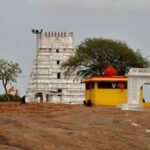
On the quiet banks of the Godavari River in Telangana sits one of the rarest temples in India, a shrine where the Goddess of knowledge is worshipped in her complete, full bodied form. This is the Basara Gnana Saraswati Temple, located in Basar town of Nirmal district, and it is one of only two such temples dedicated to Goddess Saraswati anywhere in the country, the other being Sharada Peeth in Kashmir.
Every year, lakhs of parents, students, and devotees travel to Basara seeking blessings for education, memory, focus, and academic success. Unlike most temples that draw pilgrims for wealth or health, Basara’s identity revolves entirely around learning and wisdom. This guide covers everything you need, from mythology and architecture to timings, rituals, accommodation, and travel tips.
Spiritual Importance of Basara Saraswati Temple
Basara holds a special place in Hindu tradition because it houses three goddesses under one sacred complex: Saraswati, Lakshmi, and Kali, representing knowledge, prosperity, and power respectively.
For students across Telangana and Andhra Pradesh, Basara is often the first temple they visit before starting school, sitting for board exams, or beginning higher studies. Many families treat a trip here as a rite of passage in a child’s academic life.
The temple’s location by the Godavari River adds another layer of sanctity, and many pilgrims combine a holy dip in the river with their prayers to the Goddess.
Mythological History of Basara Temple
The mythological roots of Basara trace back to the period following the Mahabharata war. According to legend, Sage Vyasa, the revered author of the epic, left Kurukshetra in search of peace after witnessing the destruction of the great battle.
His journey brought him to the Kumaranchala hills along the Godavari River, a place he found deeply calming. He settled there to meditate, and it is believed the Goddess herself appeared before him, instructing him to place three handfuls of sacred river sand at three separate spots.
These mounds of sand are said to have transformed into the idols of Saraswati, Lakshmi, and Kali, which Sage Vyasa then consecrated himself, giving the temple its deep reverence even today.
Because Sage Vyasa resided here, the settlement was originally called Vyasapuri, later shortened to Vasara. Over time, influenced by regional dialects and the Maharashtrian communities who once lived nearby, the name evolved into Basara.
Basara temple history
Beyond mythology, historical records suggest that the physical structure of the temple as it stands today was constructed much later. Several regional accounts credit a king from the Nanded region, referred to in local history as King Bijjala or Bijalu, with building the temple around the sixth century.
Over the following centuries, the temple underwent renovations under different regional rulers, and the Endowments Department, first of undivided Andhra Pradesh and now Telangana, eventually took over its maintenance and administration.
Basara is not officially listed among the classical 51 Shakti Peethas, yet it draws its importance from its unique dedication to Saraswati and its unbroken link to Sage Vyasa’s legend, passed down through generations.
Architecture of Basara Temple
The architecture of Basara Temple is modest compared to grand South Indian complexes like Tirupati or Madurai, but its simplicity is part of its charm. It reflects traditional Telangana temple design with stone structures, a central sanctum, and smaller adjoining shrines. Key features include:
- A main sanctum dedicated to Goddess Saraswati, seated with a veena in her hands
- A separate shrine for Goddess Lakshmi within the same complex
- A shrine for Goddess Kali, considered slightly more powerful in energy and approached with specific rituals
- A Shivalayam, a small temple dedicated to Lord Shiva, located nearby
- Open courtyards that allow large crowds to move comfortably during festival days
- Steps leading down to the Godavari River for ritual bathing
The temple’s understated design keeps the focus entirely on devotion rather than ornamentation, something devotees often mention as part of what makes their visit feel personal and calm.
Main Deity & Darshan Details
The presiding deity, Sri Gnana Saraswathi, is depicted seated, holding a veena and sacred texts, symbolizing music, wisdom, and learning. Her idol is adorned daily with turmeric paste, fresh flowers, and traditional silk garments.
A short distance from the main sanctum stand the shrines of Maha Lakshmi and Maha Kali. Most pilgrims follow this sequence:
- Darshan of Sri Gnana Saraswathi Devi, the presiding deity
- Darshan of Sri Lakshmi Devi in the adjoining shrine
- Darshan of Sri Kali Devi
- A visit to the nearby Shivalayam and Navagraha shrine
During peak season, regular darshan can take anywhere from one to three hours, and pilgrims performing Akshara Abhyasam should budget extra time, since this ritual is conducted separately from general darshan queues.
Akshara Abhyasam – The Most Famous Ritual
If there is one reason Basara is known across South India, it is Akshara Abhyasam, the ceremonial initiation of a child into the world of letters and learning. Families travel from Telangana, Andhra Pradesh, Maharashtra, and beyond to have it performed for their children. During the ceremony:
- The child sits in the lap of a parent or guardian, facing the deity
- A priest guides the child’s hand to write the sacred syllable “Om” or the first letters of the alphabet on a plate of raw rice or a slate
- Mantras are chanted invoking the blessings of Goddess Saraswati for intelligence, clarity, and academic success
- Parents often offer books, pens, and stationery items to the Goddess as a symbolic gesture
Families typically book either a normal Akshara Abhyasam ticket or a special category ticket, with the special version usually allowing more family members and a quicker, more personalized process. Vasantha Panchami is considered the most auspicious day for this ritual, though it is performed daily throughout the year.
basara temple timings
The temple generally follows this daily schedule, though timings can shift slightly on festival days:
- 4:00 AM: Temple opens; morning rituals and Abhishekam ticket distribution begin
- 4:30 AM to 7:30 AM: Abhishekam, Alankaram, and Harathi to the Goddess
- 7:30 AM to 12:00 Noon: Archana, Sarva Darshan, and Akshara Abhyasam
- 12:30 PM to 2:00 PM: Temple closes briefly for the midday break
- 2:00 PM to 6:30 PM: Darshan and pooja resume
- 6:30 PM to 8:30 PM: Evening Harathi and final darshan before closing
It is strongly advisable to confirm timings directly through the temple office or official channels before traveling, since schedules do change during major festivals like Vasantha Panchami and Navaratri, when the temple may extend its hours to accommodate the extra crowd.
Festivals Celebrated at Basara Temple
Basara comes alive during several festivals each year, each drawing thousands of devotees:
- Vasantha Panchami: Celebrated as the Goddess’s birthday, this is the biggest event, with tens of thousands arriving specifically for Akshara Abhyasam
- Maha Shivaratri: Special poojas begin roughly fifteen days before and continue a few days after, drawing crowds for both Shiva and Saraswati darshan
- Devi Navaratri (Dasara): Nine days of elaborate alankarams and special poojas mark this period
- Vyasa Purnima: Held on Ashada Purnima, honoring Sage Vyasa, the temple’s mythological founder
Devotees attending any of these festivals should expect longer waits and should arrive before sunrise to beat the heaviest rush.
How to Reach Basara Temple
Basara is well connected by rail, road, and air from most parts of Telangana and neighboring states.
- By Air: The nearest major airport is Rajiv Gandhi International Airport in Hyderabad, roughly 200 to 210 km away, with taxis and buses available onward.
- By Rail: Basara has its own railway station with direct connectivity to Hyderabad and Nizamabad, making train travel one of the most convenient options.
- By Road: Regular buses run from Hyderabad, Nizamabad, and Nirmal. The drive from Hyderabad takes roughly four to five hours depending on traffic.
Autos and local transport are easily available from the bus stand or railway station to reach the temple entrance.
Looking for a place to stay near Basara Temple?
Basara offers a mix of temple run guest houses and private lodges to suit different budgets:
- Devasthanam operated guest houses within or near the temple complex, offering basic non AC and AC rooms
- Guest houses run by other temple trusts, such as TTD, maintaining a small number of rooms for pilgrims
- Private lodges and hotels in town, ranging from budget to mid range comfort
Rooms fill up quickly during Vasantha Panchami and Navaratri, so book in advance or arrive early, especially if traveling with children for Akshara Abhyasam.
Why Students Strongly Believe in Basara Temple
Ask any student from Telangana or Andhra Pradesh about Basara, and you will likely hear a personal story, a visit before board exams, a prayer before an entrance test, or a family tradition of Akshara Abhyasam passed down through generations. This deep belief stems from a few consistent themes:
- The temple’s singular focus on Goddess Saraswati as the deity of learning, rather than a general purpose shrine
- Generations of families who credit their academic success to blessings received here
- The emotional significance of Akshara Abhyasam as a child’s first formal step into education
- Word of mouth trust passed from parents to children over decades
For many, visiting Basara is not just a religious act but an emotional milestone, marking the beginning of a child’s educational journey with hope and blessings.
basara temple online booking
Currently, Basara Temple does not offer a formal online booking system for regular darshan or Akshara Abhyasam tickets. Most services, including Abhishekam and special darshan, are issued offline at the temple counters on the same day.
Pilgrims are advised to:
- Arrive early, ideally before 6 AM, to avoid long queues on weekends and festivals
- Carry valid identification if required for special seva categories
- Check the official endowments portal periodically, since online booking for major Telangana temples has been expanding in recent years
basara temple official website
The Gnana Saraswati Temple falls under the Telangana State Endowments Department, and updates on timings, festivals, and booking facilities are typically published through the official Telangana Devasthanams portal.
Since website details and booking systems can change over time, it is best to search for the current official site or contact the temple office to confirm the latest information before your visit.
basara temple rooms price
Room rates at Basara vary depending on whether you choose a temple guest house or a private lodge. Approximate rates include:
- Non AC guest house rooms: around Rs 100 to Rs 200 per day
- AC guest house rooms: around Rs 400 per day
- Guest houses run by other temple trusts: around Rs 1000 per day for limited rooms
These prices are indicative and subject to change based on season and demand, so confirming rates directly with the guest house office before booking is always recommended, especially during festivals.
Basara Temple in Telugu Culture
In Telugu households, Basara is far more than a pilgrimage destination, it is woven into everyday cultural life. It is often the first place parents mention when a child is ready to be introduced to letters and books.
Telugu literature and regional storytelling frequently reference Basara as a symbol of wisdom and academic blessing, and many schools and colleges across Telangana organize educational trips here, reinforcing its role as a center of learning rather than just a religious site.
Travel Tips for Devotees
To make your visit smoother, keep these practical tips in mind:
- Reach before sunrise on weekends and festival days to avoid long queues
- Wear simple, traditional clothing and carry a change of clothes for a Godavari dip
- Carry small denomination cash, since not all counters accept cards for minor sevas
- Avoid carrying valuables loosely, as crowds can be dense during major festivals
- Pack water and light snacks, since walking between shrines takes time
- For Akshara Abhyasam, carry a small slate or notebook as a keepsake
FAQ’s
What is Basara Temple famous for?
Basara Temple is famous for being one of only two full form Saraswati temples in India and for its Akshara Abhyasam ritual, which marks a child’s first step into education.
What are the temple’s general darshan timings?
The temple typically opens at 4:00 AM and closes around 8:30 PM, with a short midday break between roughly 12:30 PM and 2:00 PM.
Is online ticket booking available for Basara Temple?
No formal online booking system currently exists for regular darshan or Akshara Abhyasam; tickets are issued offline at the temple on the day of visit.
How far is Basara from Hyderabad?
Basara is approximately 200 to 210 km from Hyderabad, roughly a four to five hour drive by road.
Which day is best for Akshara Abhyasam?
Vasantha Panchami is considered the most auspicious day, though the ritual is performed daily throughout the year.
Does Basara Temple have its own railway station?
Yes, Basara has its own railway station with good connectivity to Hyderabad and Nizamabad.
Are non vegetarian food and alcohol allowed near the temple?
No, the temple zone permits only vegetarian food, and non vegetarian items and alcohol are not allowed within the premises.
Is accommodation available near the temple?
Yes, both temple run guest houses and private lodges are available near Basara, though booking early during festivals is recommended.
Final Thoughts
Basara Gnana Saraswati Temple is far more than a pilgrimage stop, it is a living tradition connecting mythology, education, and family life across Telangana. From the legend of Sage Vyasa to the modern ritual of Akshara Abhyasam, every part of this temple’s story centers on one idea: the pursuit of knowledge as a sacred act.
Whether you are visiting for your child’s first letters, seeking blessings before an exam, or exploring Telangana’s spiritual heritage, Basara offers a peaceful experience by the Godavari. Plan ahead, confirm timings and contact details through official sources, and your visit will be both smooth and memorable.