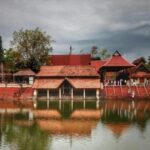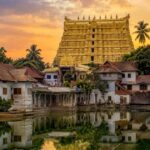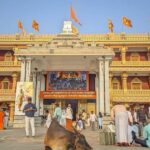
Tucked away in the peaceful landscape of Telangana’s Siddipet district, Kondapochamma Temple is one of the region’s most beloved folk shrines. Every year, tens of thousands of devotees make their way here to seek the blessings of Goddess Kondapochamma, a powerful village deity revered across the Deccan plateau. Whether you’re a pilgrim looking for divine connection or a traveller drawn to Telangana’s rich cultural heritage, this temple offers an experience that stays with you long after you leave.
This complete travel guide covers everything you need to plan your visit, from the goddess’s origin story and the vibrant annual jatara to temple timings, distance from key cities, and nearby attractions.
Kondapochamma Temple Location
Kondapochamma Temple is situated near the village of Kondapochamma, approximately 15 km from Gajwel and around 75 km from Hyderabad in the Medak-Siddipet cultural region of Telangana. The temple sits close to the Kondapochamma Sagar reservoir, surrounded by rolling hills, open farmland, and calm water bodies that make the setting feel naturally sacred.
The area falls within the broader Medak-Siddipet cultural belt, an area historically known for its strong traditions of village deity worship and annual jatara festivals.
Who Is Goddess Kondapochamma?
Goddess Kondapochamma is a folk manifestation of Shakti, the divine feminine energy, deeply rooted in the rural traditions of Telangana. Locally, she is considered a gramadevata (village guardian deity) who protects her devotees from disease, evil forces, and misfortune.
She belongs to the same revered tradition as other powerful village goddesses like Yellamma, Pochamma, Maisamma, Sammakka, and Saralamma. The name “Kondapochamma” blends “Konda” (hill) and “Pochamma” (a common form of the Goddess), signifying that she is the Shakti who dwells upon the hills and guards the land below.
Villagers believe she resides within the earth itself and responds swiftly and directly to sincere prayers, making her a deeply personal deity for farming communities, women, and working families across the region.
Mythological Legends of Kondapochamma Temple
Origin Legend
Local oral tradition holds that Goddess Kondapochamma rose from the earth during a devastating epidemic that once swept through the surrounding villages. When disease claimed lives at an alarming rate and no remedy was found, the goddess manifested to shield her devotees. From that moment, she was worshipped as the divine protector of health, fertility, and community well-being.
This story aligns with the broader Pochamma tradition across Telangana, where the goddess is frequently associated with smallpox and other epidemic diseases. Devotees who recover from serious illness often return to the temple to fulfill vows, a tradition that continues to this day.
Historical Background
While no formal written historical records exist for Kondapochamma Temple, its roots stretch back several centuries. Like many Telangana village shrines, it grew organically from community worship rather than royal patronage. Local communities undertook renovations over generations, and more recently the Telangana state government has supported the temple’s upkeep as part of regional cultural development efforts.
The temple’s longevity is a testament to its deep connection with everyday people rather than institutional religion.
Temple Architecture and Layout
Kondapochamma Temple reflects the beauty of traditional Telangana folk architecture. Unlike the ornate Dravidian gopurams found at larger temple complexes, this shrine is modest in scale but powerful in spiritual energy.
Key architectural features include:
- A simple sanctum sanctorum housing the idol of Goddess Kondapochamma
- Open courtyard spaces used for community gatherings and rituals during festivals
- Traditional motifs and local stonework that reflect the Deccan regional style
- A natural hillside setting that blends seamlessly with the temple’s spiritual purpose
The temple’s strength lies not in decorative grandeur but in its continuous ritual life and the devotion of its community.
Kondapochamma Sagar – Spiritual and Modern Significance
Adjacent to the temple lies the Kondapochamma Sagar, a large reservoir constructed as part of the Kaleshwaram Lift Irrigation Scheme, one of India’s most ambitious irrigation projects. The reservoir bears the name of the goddess herself, a recognition of her sacred status in the region.
Many devotees stop to offer prayers at the temple before visiting the reservoir, blending spiritual tradition with modern engineering heritage. The water body also adds scenic beauty to the pilgrimage experience, drawing visitors who come for both devotion and the pleasure of the natural landscape.
Kondapochamma Temple Timings
The temple generally observes the following schedule:
- Morning Darshan: 6:00 AM to 12:00 PM
- Afternoon Break: 12:00 PM to 3:00 PM
- Evening Darshan: 3:00 PM to 8:00 PM
Note: During festival seasons and the annual Kondapochamma Jatara, darshan timings are extended to accommodate the large number of pilgrims. Always verify current timings locally before your visit, especially during peak festival periods.
Festivals and Jatara Celebrations
The Kondapochamma Jatara is the temple’s most celebrated annual event, held during the summer months of April and May. During this vibrant festival, the entire temple precinct comes alive with colour, devotion, and community spirit.
Key highlights of the Jatara include:
- Mass Darshan – Thousands of devotees from Siddipet, Medak, Hyderabad, and neighboring districts arrive for blessings
- Bonalu Offerings – Women carry decorative pots of food (bonalu) as an offering to the goddess
- Processions and Music – Traditional folk music, Oggu Katha performances, and religious processions fill the festival grounds
- Fulfillment of Vows – Many devotees complete vows made during times of illness, hardship, or personal crisis
- Community Feasts – Shared meals reinforce the social bonding aspect of Shakti worship
Devotees pray for good health, family safety, employment, and agricultural prosperity during the Jatara.
Importance of Kondapochamma Temple in Telangana Culture
Kondapochamma Temple is far more than a place of worship. It is a living cultural institution that embodies the matriarchal spirit of Shakti worship deeply embedded in the Deccan tradition.
For rural Telangana communities, the temple serves as:
- A social gathering space where villages unite during festivals
- A center of women’s spiritual leadership, as women play the most visible roles in rituals and offerings
- A guardian of oral tradition, keeping alive the stories and beliefs of generations
- A symbol of local identity for communities in the Medak-Siddipet region
The temple exemplifies why village deity worship remains vibrant in Telangana even in the modern era, because it addresses the everyday concerns of ordinary people in a personal and immediate way.
How to Reach Kondapochamma Temple
Getting to Kondapochamma Temple is straightforward from multiple directions.
By Road:
- From Hyderabad: Approximately 75 km via the Hyderabad-Gajwel highway (NH 765)
- From Gajwel: About 15 km, easily covered by auto-rickshaw or private vehicle
- From Siddipet: Around 25 to 30 km by road
By Bus:
- TSRTC (Telangana State Road Transport Corporation) runs regular buses from Hyderabad, Siddipet, and Medak toward Gajwel
- From Gajwel, local transport is available to the temple
By Train:
- The nearest railway stations are at Gajwel and Siddipet
- From either station, hire a taxi or auto-rickshaw to complete the journey
By Air:
- The nearest airport is Rajiv Gandhi International Airport, Hyderabad, approximately 100 to 120 km away
Accommodation and Facilities
Pilgrims visiting Kondapochamma Temple will find comfortable accommodation options in the nearby towns of Gajwel and Siddipet, both of which offer local lodges, budget hotels, and guesthouses suited to pilgrims and travellers.
Facilities at and near the temple include:
- Basic facilities for footwear storage and security
- Prasad distribution points during major festivals
- Food stalls and small eateries near the temple entrance during the Jatara season
- Parking areas for private vehicles and buses
Best Time to Visit
The ideal times to visit Kondapochamma Temple are:
- October to February: Cool and comfortable weather, pleasant for temple visits and sightseeing
- April to May: The Kondapochamma Jatara season, when the temple is at its most vibrant
- Avoid: Peak summer heat (June is particularly intense in Telangana)
Nearby Places to Visit
Make the most of your trip by exploring these sites close to the temple:
- Komuravelli Mallanna Temple – A major Shiva temple in the Siddipet-Gajwel area, frequently combined with a Kondapochamma visit
- Kondapochamma Sagar Reservoir – Offers scenic views, picnic spots, and peaceful surroundings
- Medak Cathedral – One of Asia’s largest churches, about 60 km away
- Siddipet Town – A regional hub with markets, eateries, and local transport connections
- Gajwel – The nearby town that serves as the main gateway to the temple
Devotee Experiences and Beliefs
Devotees of Goddess Kondapochamma consistently describe their visits as profoundly transformative. Many return year after year, particularly after prayers are answered, reinforcing the temple’s spiritual reputation through lived experience.
Common beliefs among devotees include:
- The goddess responds swiftly to heartfelt prayers, especially those made during personal crisis
- Fulfilling vows (mannat poorna) at the temple brings additional blessings
- Visiting during the Jatara season amplifies the power of prayer
- Bringing turmeric (pasupu) and kumkum as offerings pleases the goddess and invites her protection
Role of Women in Kondapochamma Worship
Women occupy the most central role in Kondapochamma worship, reflecting the matriarchal essence of Shakti traditions in Telangana. From leading Bonalu processions to conducting daily rituals and transmitting prayers across generations, women are both the primary worshippers and the keepers of this devotional tradition.
This is especially visible during the Jatara, where women dressed in traditional attire carry ritual pots on their heads, sing devotional songs, and make offerings on behalf of their families. The temple thus becomes a space that celebrates and empowers women’s spiritual leadership in ways that few other religious institutions do.
Preservation and Modern Development
As visitor numbers grow steadily, local authorities and temple committees are focused on:
- Improving road access and parking infrastructure around the temple
- Upgrading sanitation and drinking water facilities for pilgrims
- Documenting oral traditions and folk rituals for cultural preservation
- Enhancing lighting and security during major festival seasons
The Telangana state government has taken a growing interest in supporting well-known folk shrines like Kondapochamma as part of its broader cultural heritage tourism initiatives.
Komuravelli to Kondapochamma Temple Distance
The distance from Komuravelli Mallanna Temple to Kondapochamma Temple is approximately 15 to 20 km by road, making it very practical to visit both temples in a single day. Many pilgrims plan their Siddipet-Gajwel spiritual circuit specifically to include both shrines.
A typical day trip from Hyderabad would involve:
- Visiting Komuravelli Mallanna Temple in the morning
- Driving to Kondapochamma Temple for afternoon darshan
- Returning to Hyderabad by evening
Kondapochamma Temple to Reservoir
The Kondapochamma Sagar Reservoir is located very close to the temple, within 2 to 5 km depending on the access point. The reservoir is part of the Kaleshwaram Lift Irrigation Scheme and is named after the presiding goddess of the temple.
After completing darshan at the temple, most visitors make a short trip to the reservoir to enjoy the scenic views and peaceful atmosphere. The combination of spiritual devotion and natural beauty makes this spot particularly rewarding for families and photography enthusiasts.
Frequently Asked Questions
Where is Kondapochamma Temple located?
Kondapochamma Temple is located near Gajwel in the Siddipet district of Telangana, about 75 km from Hyderabad.
What is Kondapochamma Temple famous for?
The temple is famous for Goddess Kondapochamma, a powerful village deity, and the annual Kondapochamma Jatara held in April and May.
What are Kondapochamma Temple timings?
General darshan timings are 6:00 AM to 12:00 PM and 3:00 PM to 8:00 PM. Extended hours apply during festivals.
When is the Kondapochamma Jatara celebrated?
The Kondapochamma Jatara is held annually during April and May, drawing thousands of devotees from across Telangana.
How far is Kondapochamma Temple from Hyderabad?
The temple is approximately 75 km from Hyderabad, roughly a 1.5 to 2 hour drive depending on traffic.
What is Kondapochamma Sagar?
Kondapochamma Sagar is a large reservoir near the temple, built as part of the Kaleshwaram Lift Irrigation Scheme and named after the presiding goddess.
Is there accommodation near Kondapochamma Temple?
Yes. Lodges and budget hotels are available in Gajwel and Siddipet, which are the nearest towns to the temple.
Conclusion
Kondapochamma Temple in Telangana is more than a pilgrimage site. It is a living expression of folk Shakti worship, community identity, and the enduring bond between people and their land. Whether you visit during the spectacular Jatara season or on a quiet morning for personal darshan, the temple offers a deeply human experience rooted in centuries of faith.
Plan your visit with this guide, combine it with a stop at Komuravelli Mallanna Temple and the scenic Kondapochamma Sagar reservoir, and you have yourself a fulfilling day in the spiritual heartland of Telangana.

Theodore Henry is the founder and administrator of TravelsHexa.com, where he shares reliable travel guides, destination insights, and practical tips to help travelers plan memorable journeys. Passionate about exploring new places, Theodore focuses on providing well-researched, accurate, and easy-to-follow travel content that inspires readers to travel smarter and with confidence.