Tucked away in the fast-growing residential belt of Uppal, Hyderabad, the Kalabhairava Temple stands as a quiet reminder of the city’s deep spiritual roots. For devotees seeking the fierce, protective grace of Lord Shiva in his Bhairava form, this temple offers a peaceful yet powerful space for prayer, reflection, and ritual worship.
Whether you are planning your first visit or simply want to understand the significance of Kalabhairava worship, this guide covers everything you need, from mythology and temple architecture to timings, poojas, and practical travel tips.
Who is Kalabhairava?
Kalabhairava is regarded as the fierce, all-powerful form of Lord Shiva, embodying both destruction and protection. The name carries deep meaning: “Kaal” refers to time and death, while “Bhairava” means the terrifying or awe-inspiring one. Together, he is understood as the deity who conquers fear of death and time itself.
He is typically depicted with:
- A dark, intense form adorned with a garland of skulls
- A trident, drum, and noose as his weapons
- A dog (shvana) as his vahana, or divine vehicle
- Fierce eyes and flowing hair symbolizing cosmic energy
Unlike the serene depictions of Shiva as Nataraja, Kalabhairava represents Shiva’s role as ultimate protector, guarding sacred spaces and punishing wrongdoing without mercy. Devotees believe sincere worship removes obstacles, fear, and negative influences from one’s life.
Mythological Significance
The origin of Kalabhairava is rooted in one of Hindu mythology’s most striking legends. According to the Shiva Purana, an argument broke out between Lord Brahma and Lord Vishnu over who among them was supreme. When Brahma’s fifth head spoke arrogantly toward Shiva, Shiva manifested as Kalabhairava and severed that fifth head with his fingernail.
This act made Kalabhairava guilty of Brahmahatya, the grave sin of killing a Brahmin. As penance, he wandered the earth carrying Brahma’s skull, which stayed fixed to his hand. His sin was finally absolved when he reached Kashi (Varanasi), which is why he is worshipped as the Kotwal, or guardian, of Kashi to this day.
This legend explains two core beliefs devotees carry into every Kalabhairava temple: he is the protector and gatekeeper of sacred spaces, and even the gods are not exempt from accountability, making him a symbol of divine justice.
This mythological backdrop gives the Kalabhairava Temple Uppal its spiritual weight, linking a local neighborhood shrine to one of Hinduism’s oldest legends.
Importance of Kalabhairava Temple Uppal
The Kalabhairava Temple in Uppal has grown into an important spiritual landmark for residents of East Hyderabad, particularly those in Uppal, Nacharam, Habsiguda, and nearby HMDA layout colonies. As Uppal transformed from a quiet outskirt into a bustling urban hub, this temple remained a grounding space for devotees seeking Shiva’s protective energy close to home.
Several factors make this temple especially significant:
- It offers easy, local access to Kalabhairava worship, otherwise more commonly associated with temples in Varanasi, Ujjain, and parts of Tamil Nadu
- Many devotees visit specifically to seek relief from fear, legal troubles, enemies, and unexplained obstacles
- The temple’s calm, uncrowded atmosphere makes it suitable for focused prayer and personal sadhana
- Regular Ashtami-day worship here is believed to be especially fruitful, since Ashtami is traditionally linked with Bhairava
For many local families, the temple has become a place for weekly or monthly worship, especially on Tuesdays and Sundays, days traditionally associated with Bhairava and Shiva.
Kalabhairava Temple Uppal History
Like many neighborhood temples across Hyderabad, the Kalabhairava Temple in Uppal does not trace back to royal patronage or ancient inscriptions. Its history instead reflects the devotion of local communities who, over the decades, established a dedicated shrine for Kalabhairava worship as the Uppal area developed.
Devotees and local priests describe the temple as having grown organically, starting as a modest shrine and gradually expanding with community support into a full complex with a defined sanctum, compound, and daily ritual schedule. This pattern is common among Kalabhairava temples across Hyderabad, several of which, such as those in Kishan Bagh and Balanagar, share a similar community-driven origin story.
What makes the Uppal temple noteworthy is its continued relevance to a rapidly urbanizing part of the city. As IT corridors and residential townships expanded around Uppal, the temple retained its identity as a space for traditional worship, drawing both long-time residents and newer families.
Since oral tradition plays a larger role than written records in documenting this temple’s past, visitors are encouraged to speak with the temple priests directly for the most accurate historical details.
Temple Architecture
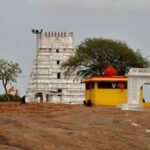
The Kalabhairava Temple Uppal follows a traditional South Indian layout, designed with simplicity and devotion at its core rather than large-scale ornamentation. Key features generally include:
- A modest gopuram-style entrance marking the temple boundary
- A central sanctum (garbhagriha) housing the main Kalabhairava idol
- Stone or tiled flooring within the inner courtyard, kept clean and cool for barefoot worship
- Space for oil lamps, commonly lit during evening aarti
- A layout offering a clear line of sight to the deity from the entrance, in keeping with traditional agama principles
The idol is typically shown in a standing posture, holding his traditional weapons, with a fierce yet protective expression. Some temples in this tradition also feature a small dog idol near the sanctum, honoring Bhairava’s vahana.
While the temple does not rival the grandeur of larger heritage sites, its architecture is designed to support quiet, personal worship, appealing to devotees who prefer intimacy over crowded pilgrimage destinations.
Special Poojas
Regular and special rituals form the heart of worship at the Kalabhairava Temple Uppal. Commonly performed poojas include:
- Daily Abhishekam: Ritual bathing of the deity with water, milk, and other sacred substances, performed each morning
- Bhairava Ashtami Pooja: Special worship conducted on Ashtami tithi, considered the most auspicious day for Kalabhairava
- Deeparadhana (Lamp Offering): Evening aarti performed with oil lamps, accompanied by chanting
- Archana: Personalized worship where devotees’ names and star signs are recited during prayer
- Homams and Havans: Conducted on request, especially for devotees seeking relief from doshas or planetary afflictions
Devotees commonly chant the mantra “Om Kala Bhairavaya Namah” during these rituals, believed to invoke protection, courage, and the removal of fear. Many also fast or observe personal vows on Ashtami days, aligning their practice with the temple’s ritual calendar.
Spiritual Benefits of Worship
Devotees who regularly visit the Kalabhairava Temple Uppal describe a range of spiritual and psychological benefits associated with sincere worship. According to traditional belief, worshipping Kalabhairava can help with:
- Removal of fear: Kalabhairava is considered the destroyer of fear related to death, uncertainty, and the unknown
- Protection from negative energies: Regular worship is believed to create a protective shield around devotees and their homes
- Relief from enemies and obstacles: Many visit specifically to seek resolution from disputes, legal issues, or persistent hurdles
- Courage and mental strength: Bhairava’s fierce energy is associated with building inner resilience during difficult periods
- Spiritual discipline: The temple’s calm atmosphere supports meditation, mantra chanting, and personal sadhana practices
While these beliefs are rooted in tradition and personal faith rather than scientific claims, many long-time devotees find the structured ritual practice itself brings clarity, calm, and renewed focus to daily life.
Kalabhairava Temple Uppal Timings
The temple generally follows a schedule split between morning and evening hours, in line with most Bhairava temples in Hyderabad:
| Session | Timing |
| Morning Darshan | 6:00 AM to 11:00 AM |
| Evening Darshan | 4:00 PM to 8:00 PM |
Timings can shift slightly on Ashtami days, festivals, and special pooja occasions, with the temple sometimes opening earlier or remaining open longer to accommodate larger crowds. Since exact hours may vary by season or local management decisions, it’s a good idea to call ahead or check with the temple office before planning a visit, especially on festival dates.
Best Time to Visit
While the temple welcomes devotees year-round, certain periods are considered especially auspicious:
- Ashtami Tithi (every month): The most spiritually significant day for Kalabhairava worship
- Kala Bhairava Jayanti: Celebrated annually in the Margashirsha month (November to December), marking the day Kalabhairava manifested
- Tuesdays and Sundays: Traditionally favored days for Shiva and Bhairava worship
- Early morning hours: Best for a peaceful, less crowded darshan
If you want quiet reflection rather than a festival crowd, weekday mornings offer the calmest environment.
How to Reach Kalabhairava Temple Uppal
Uppal is a well-connected suburb in East Hyderabad, making the temple relatively easy to reach by multiple modes of transport.
- By Road: Uppal is linked to central Hyderabad via the Outer Ring Road, with regular TSRTC buses connecting it to Secunderabad, Habsiguda, and LB Nagar
- By Metro: Uppal Metro Station, on the Blue Line, is the nearest metro connection, from where autos and cabs reach the temple within minutes
- By Rail: Ghatkesar and Malkajgiri railway stations are among the nearest rail links for devotees traveling from other parts of Telangana
- By Air: Rajiv Gandhi International Airport, Shamshabad, is roughly a 45 to 60 minute drive away, depending on traffic
Since the temple sits within a residential locality, using a ride-hailing app or asking for directions near Uppal Ring Road is often the easiest way for first-time visitors to find it.
Nearby Temples
Devotees visiting the Kalabhairava Temple Uppal often combine their trip with visits to other spiritually significant sites in and around East Hyderabad, including:
- Peddamma Thalli Temple, Jubilee Hills area
- Sri Renuka Yellamma Temple, near Bhongir
- Local Shiva and Anjaneya temples within Uppal and Nacharam
- Other Kalabhairava shrines across Hyderabad, such as those in Kishan Bagh and Balanagar, for devotees interested in a broader Bhairava pilgrimage circuit
Combining temple visits within the same region allows devotees to make the most of a single trip while exploring the wider devotional landscape of Hyderabad.
Devotee Experiences
Regular visitors describe the temple as a peaceful, unhurried space that stands apart from Hyderabad’s larger, more crowded pilgrimage sites. Common themes in devotee feedback include:
- Appreciation for the calm, uncommercialized atmosphere that allows genuine, unrushed prayer
- Positive experiences with priests who conduct rituals attentively without pressuring devotees for donations
- A strong sense of community among regular worshippers, many of whom visit weekly
- A feeling of relief and mental clarity after prayer, particularly among devotees dealing with stress or ongoing personal challenges
These first-hand impressions explain why the temple, despite its modest size, has built a loyal base of devotees within Uppal and neighboring areas.
Travel Tips
To make your visit smoother and more meaningful, keep these practical tips in mind:
- Dress modestly: Traditional or modest clothing is recommended, as with most Hindu temples
- Carry cash for offerings: Smaller neighborhood temples may not always support digital payments for archana or donations
- Visit early morning: Mornings tend to be cooler and less crowded, ideal for unhurried darshan
- Check for Ashtami dates in advance: If you want to experience special poojas, plan your visit around the monthly Ashtami tithi
- Remove footwear before entering: As is customary at all Hindu temples
- Combine with nearby errands: Since Uppal is a well-developed locality, you can easily pair your visit with shopping or dining nearby
- Confirm timings by phone: Especially useful during festivals, when temple hours can shift
FAQ’s
What is Kalabhairava Temple Uppal famous for?
It is known for peaceful Kalabhairava worship, particularly for devotees seeking protection, courage, and relief from fear and obstacles.
What are the temple’s daily timings?
The temple is generally open from around 6:00 AM to 11:00 AM and again from 4:00 PM to 8:00 PM, though timings may vary on festival days.
Which day is best to visit the temple?
Ashtami tithi is considered the most auspicious day for Kalabhairava worship, along with Tuesdays and Sundays.
Is there an entry fee to visit the temple?
Most neighborhood Kalabhairava temples, including this one, do not charge an entry fee, though voluntary offerings are welcomed.
How do I reach the temple from Uppal Metro Station?
Local autos and cabs are readily available from Uppal Metro Station and can take you to the temple within a few minutes.
What is the significance of Kalabhairava Ashtami?
It marks the day Kalabhairava is believed to have manifested from Lord Shiva, making it the most spiritually powerful day for worship at any Bhairava temple.
Can non-Hindus visit the temple?
Yes, most Hindu temples in India, including this one, welcome respectful visitors of all backgrounds who follow basic temple etiquette.
Final Thoughts
The Kalabhairava Temple Uppal may not carry centuries of recorded history like the shrines of Varanasi or Ujjain, but it offers something equally valuable: an accessible, peaceful space for devotees in East Hyderabad to connect with one of Hinduism’s most powerful protective deities. Whether you’re seeking relief from fear, building spiritual discipline, or simply want a quiet place to pray, this temple offers a meaningful experience close to home.
If you’re planning a visit, try to time it around an Ashtami day for a fuller ritual experience, and don’t hesitate to speak with the temple priests to learn more about local traditions passed down through devotion rather than written records.