Hyderabad is a city where ancient faith and modern life coexist beautifully. Tucked away in the Kishan Bagh neighborhood, along the banks of the Musi River, sits one of the city’s most spiritually powerful yet lesser-known shrines — the Kashi Bugga Temple. Dedicated to Lord Shiva and revered as “Hyderabad’s Kashi,” this 200-year-old temple draws devotees seeking blessings, healing, and a connection with the divine. Whether you are a pilgrim, a history lover, or a curious traveler, this complete visitor guide covers everything you need to know before planning your trip.
Kashi Bugga Temple History
The Kashi Bugga Temple was founded in 1822 by Shri Raghav Ramji (Raja Raghu Ramji), a devout nobleman whose deep reverence for Lord Shiva inspired the creation of this sacred space. Registered under the Telangana State Endowments Department, the temple has been managed by the founder’s descendants ever since, with Nanda Kumar serving as the current family trustee.
For much of its existence, the temple remained relatively unknown outside the local community. However, in recent years, it has gained widespread recognition because of its extraordinary Stala Purana — the traditional belief and legend associated with the place. Word spread about its mysterious and continuous underground water source, drawing thousands of new pilgrims from across Telangana and neighboring states.
The temple is also connected to a secondary shrine dedicated to Sri Murali Manohar Swamy, which falls under the Kashi Bugga Temple complex, adding to its religious importance in the region.
The Mystery Behind the Name
The name “Kashi Bugga” carries deep meaning. “Kashi” refers to the holiest city in India — Varanasi — the eternal abode of Lord Shiva. “Bugga” is a Telugu word meaning a natural water spring. Together, the name signifies a sacred spring that mirrors the divine energy of Kashi itself. This is why countless devotees believe that praying at this temple is as meritorious as making a pilgrimage to Varanasi.
Spiritual Significance of Kashi Bugga Temple
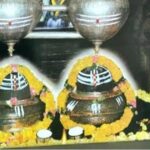
The spiritual weight of Kashi Bugga Temple rests on one extraordinary phenomenon: the Nitya Jalabishekamu — a continuous, uninterrupted flow of water over the Shiva Lingam that has persisted for over 200 years. The source of this water remains a mystery to this day, and devotees consider it to be “Kashi Jal” — water as sacred as that of the Ganga in Varanasi.
This sacred water is widely believed to possess medicinal properties, capable of curing various ailments and diseases. Devotees often collect it after the abhishekam as a form of prasadam. The flowing water from the Shiva Lingam eventually merges underground into the Musi River — a beautiful symbol of the divine merging with nature.
Adding to its mystique, local legends speak of snakes visiting the sanctum during the early morning hours to offer their own form of devotion to Lord Shiva — a phenomenon that deepens the temple’s aura of spiritual power.
The temple is especially significant on:
- Mondays (Somavar), considered most auspicious for Lord Shiva
- Pradosham days, observed twice a month
- The holy month of Karthika Masam
- The grand occasion of Maha Shivaratri
Temple Architecture and Structure
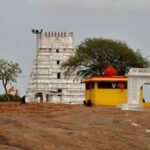
One of the most distinctive aspects of Kashi Bugga Temple is its unconventional architecture. Unlike typical South Indian temples with elaborate gopurams and spacious corridors, this temple resembles a traditional house from the outside — a humble exterior that conceals an incredibly sacred interior.
Key Architectural Features
- Underground Sanctum Sanctorum: Devotees descend a flight of steps into a cave-like cellar, where the Shiva Lingam rests below ground level in a naturally cool and dimly lit chamber.
- Sacred Entrance Tree: At the entrance of the temple stands a large, ancient tree housing shrines to Rahu and Ketu, the serpent deities. A combination of neem, Ashwattha (peepal), and Malabar plum trees on the premises makes this a spiritually charged spot.
- The Water Channel: A small, mysterious hole above the Shiva Lingam allows a continuous stream of crystal-clear water to flow over the Lingam at all times, regardless of the season.
- Meditation Platform: A dedicated platform near the outer tree and a space opposite the Shiva Lingam cellar allow visitors to sit, meditate, and chant in peace.
The interior is thoughtfully designed to create a calm, meditative atmosphere. The scent of incense, the gentle sound of the flowing water, and the soft glow of temple lamps combine to create a deeply immersive devotional environment.
Deities Worshipped in the Temple
The primary deity of Kashi Bugga Temple is Lord Shiva, worshipped in the form of a Swayambhu Shiva Lingam — a self-manifested lingam believed to be of supreme spiritual potency. This lingam is installed below ground level, making it one of the more unique sanctum setups in the region.
Other deities present within the temple complex include:
- Lord Ganesha – Devotees pay homage to Ganesha at the beginning of their visit, following traditional Hindu practice.
- Nandi – The sacred bull of Shiva, positioned facing the Shiva Lingam as a devoted guardian.
- Goddess Parvati (Devi) – A separate sannidhi (shrine) is dedicated to the Divine Mother.
- Rahu and Ketu – The serpent deities are enshrined in the sacred tree at the entrance.
The temple is also referred to as the Chitraguptha Swamy Temple in some local references, indicating additional deity worship within the complex.
Festivals Celebrated at Kashi Bugga Temple
The temple comes alive with color, devotion, and community spirit during its major festivals. These occasions see visitors arriving from across Hyderabad and beyond.
Maha Shivaratri
The most significant festival at Kashi Bugga Temple, Maha Shivaratri is celebrated with night-long vigils, continuous abhishekams, devotional chanting, and special rituals performed by priests. The temple is beautifully decorated, and the spiritual atmosphere during this night is described by devotees as deeply transformative.
Karthika Masam
Throughout this holy month dedicated to Lord Shiva, special poojas, deepotsavams (lighting of rows of lamps), and abhishekams take place daily. Crowds grow steadily through the month, with Mondays being especially packed.
Shravan Mondays
Each Monday during the holy month of Shravan (Sawan) brings large gatherings of Shiva devotees for special prayers and rituals.
Navaratri
Special cultural programs and rituals celebrating the Divine Feminine take place during Navaratri, reflecting the temple’s inclusive spiritual traditions.
Pradosham
Observed twice every lunar month, Pradosham is a particularly auspicious time to offer prayers to Lord Shiva. The temple sees a consistent influx of devotees on these days.
Kashi Bugga Temple Timings
Planning your visit around the temple’s schedule ensures a smooth and spiritually fulfilling experience.
| Session | Opening Time | Closing Time |
| Morning | 6:00 AM | 12:00 PM |
| Evening | 5:00 PM | 9:00 PM |
Important Notes:
- Timings may vary during major festivals such as Maha Shivaratri and Karthika Masam.
- On Mondays and festival days, expect heavier crowds and possible changes in the darshan schedule.
- It is advisable to confirm the latest timings with the temple authorities before your visit, especially during festival seasons.
- Entry to the temple is free of charge, though donations are welcome.
- Abhishekam tickets can be purchased at the temple for those wishing to perform ritual bathing of the Shiva Lingam.
Best Time to Visit the Temple
Time of Day
Early mornings, right after the temple opens at 6:00 AM, offer the most peaceful and uncrowded darshan experience. The cool morning air, the gentle sound of flowing water, and the fresh fragrance of flowers create an atmosphere perfect for prayer and meditation. Evening sessions from 5:00 PM to 9:00 PM are also serene and ideal for those who cannot make it in the morning.
Time of Year
- October to February is the best season to visit Hyderabad in terms of weather, as temperatures are pleasant and comfortable for outdoor travel.
- Maha Shivaratri (usually February or March) is ideal if you want to witness the temple at its most vibrant and festive.
- Karthika Masam (October/November) is another exceptional time, with daily special rituals and a deeply devotional atmosphere throughout the month.
- Avoid peak summer months (April to June) when Hyderabad’s heat can make travel uncomfortable.
How to Reach Kashi Bugga Temple
The temple is located at Mahmood Nagar, Kishan Bagh, Hyderabad, Telangana 500064.
By Road
- The temple is approximately 5 km from Charminar, reachable in 20–30 minutes by road.
- From the Attapur main road, it is about 2.4 km from Pillar No. 143.
- TSRTC buses 252N, 2Z, 532, 94H, and 95 serve this area.
- The Jalva Hotel bus stop is the nearest stop, requiring a short 6-minute walk to the temple.
- Auto-rickshaws, Ola, and Uber cabs are readily available throughout the city.
By Rail
- The nearest major railway station is Hyderabad Deccan (Nampally), located approximately 9 to 10 km from the temple.
- From the station, auto-rickshaws and app-based cabs can take you directly to Kishan Bagh.
By Air
- Rajiv Gandhi International Airport (HYD) in Shamshabad is the nearest airport, located roughly 25 to 30 km from the temple.
- Pre-paid taxis and app-based cabs are available at the airport for the journey.
Nearby Attractions
After your visit to Kashi Bugga Temple, Kishan Bagh and the surrounding areas offer several other places worth exploring:
- Charminar – The iconic four-minaret monument of Hyderabad, just 5 to 6 km away, is one of India’s most recognized landmarks.
- Chowmahalla Palace – A magnificent Nizam-era palace offering a glimpse into Hyderabad’s royal past.
- Mecca Masjid – One of the oldest and largest mosques in India, situated near Charminar.
- Musi River Waterfront – Just beside the temple, the scenic Musi River offers a peaceful spot for a quiet walk or moment of reflection.
- Sudha Cars Museum – A quirky and fascinating museum showcasing uniquely shaped cars, located within a short distance.
- Nehru Zoological Park – The temple is located approximately 2 km from one of India’s largest zoos, making it a great add-on for families.
Devotional Practices at the Temple
Visitors to Kashi Bugga Temple can participate in a range of traditional Shaivite rituals:
- Abhishekam: The ritual bathing of the Shiva Lingam with water, milk, honey, curd, and other sacred substances. Devotees can purchase an abhishekam ticket to perform this personally or have it done by a priest. Carrying panchamrutham from outside the temple is permitted.
- Archana: Personalized prayers offered by priests in the devotee’s name, invoking the blessings of Lord Shiva.
- Annadanam: Free meals are offered to visitors on special occasions, reflecting the temple’s spirit of community service.
- Pradakshina: Circumambulation of the sanctum as an act of devotion.
- Meditation and Japa: The platform near the entrance tree and the space outside the sanctum are designated for silent meditation and mantra chanting, and devotees are welcome to spend as much time as they wish.
Priests at the temple are known for their courteous and attentive approach, ensuring that every devotee — regardless of their background — receives equal opportunity for darshan and participation in rituals.
Spiritual Experience for Visitors
One of the most defining aspects of a visit to Kashi Bugga Temple is the profound sense of calm that settles over you as you descend into the underground sanctum. The cave-like setting, the constant sound of water flowing over the Shiva Lingam, and the warm glow of oil lamps create an environment unlike most temples in the city.
Many devotees share that they experience a deep sense of peace, emotional release, and spiritual clarity during their time at the temple. The belief that the sacred water carries healing energy adds a layer of hope for those visiting with prayers for health and recovery.
For those new to Shaivite worship, the temple priests are approachable and happy to guide you through the rituals. First-time visitors are also advised to watch informational videos available on well-known Telugu spiritual YouTube channels before their visit, as these provide helpful context about the temple’s history and practices.
Preservation and Community Support
The Kashi Bugga Temple has faced its share of challenges over the years. After a period of relative neglect, it has experienced a significant revival driven by growing awareness of its unique spiritual significance. The Telangana State Endowments Department oversees its official registration, while the founding family continues to manage daily operations through their trustee.
Local devotees and community members have played a crucial role in this revival — organizing cleanings, supporting infrastructure improvements, and spreading word of the temple’s significance through digital platforms and personal visits. Families from as far as Patancheru and other distant areas of Telangana now make the journey to the temple regularly.
There have also been discussions at the civic level regarding improved access infrastructure near the temple, particularly regarding connectivity across the Musi River, though these remain in progress. The temple community continues to advocate for better facilities and upkeep to serve the growing number of pilgrims.
FAQ’s
What is Kashi Bugga Temple famous for?
It is famous for its 200-year-old underground Shiva Lingam and the mysterious Nitya Jalabishekamu — a continuous stream of sacred water that has flowed uninterrupted over the Lingam since 1822.
Where is Kashi Bugga Temple located?
The temple is located at Mahmood Nagar, Kishan Bagh, Hyderabad, Telangana 500064, on the banks of the Musi River.
What are Kashi Bugga Temple timings?
The temple is open from 6:00 AM to 12:00 PM in the morning and 5:00 PM to 9:00 PM in the evening. Timings may change during festivals.
Is there an entry fee for Kashi Bugga Temple?
No, entry to the temple is free. However, donations are welcome, and separate tickets are available for performing abhishekam.
Why is it called Hyderabad’s Kashi?
Devotees believe that worshipping here carries the same spiritual merit as visiting Kashi (Varanasi), due to the presence of the sacred water spring near the Shiva Lingam.
Who built Kashi Bugga Temple?
The temple was founded in 1822 by Shri Raghav Ramji (Raja Raghu Ramji) and is currently managed by his descendants.
What is the best time to visit Kashi Bugga Temple?
Early mornings are ideal for a peaceful visit. Festival seasons like Maha Shivaratri and Karthika Masam offer a vibrant, devotional atmosphere.
How far is Kashi Bugga Temple from Charminar?
The temple is approximately 5 to 6 km from Charminar, about 20 to 30 minutes by road.
Can I perform abhishekam at the temple?
Yes, devotees can personally perform abhishekam by purchasing a ticket at the temple. Carrying panchamrutham from outside is allowed.
What buses go to Kashi Bugga Temple?
TSRTC buses 252N, 2Z, 532, 94H, and 95 serve the Kishan Bagh area. The Jalva Hotel stop is the nearest, with a 6-minute walk to the temple.
Conclusion
Kashi Bugga Temple in Hyderabad is far more than a local place of worship — it is a living testament to centuries of unbroken faith, mystery, and spiritual devotion. The unexplained sacred spring, the underground Shiva Lingam, and the deeply personal rituals available to every visitor make this temple a truly one-of-a-kind spiritual destination in South India.
Whether you are a devout Shiva bhakt seeking blessings, a history enthusiast curious about the city’s hidden sacred sites, or a traveler looking for an authentic and peaceful experience, Kashi Bugga Temple delivers something profound. Plan your visit, carry your panchamrutham, descend into the sanctum with an open heart, and let the ancient energy of “Hyderabad’s Kashi” leave its mark on your soul.
Om Namah Shivaya.