
Koh Chang is the second largest island in Thailand, sitting quietly in the Gulf of Thailand near the Cambodian border. Unlike Phuket or Koh Samui, this island has managed to hold on to its raw, jungle covered character while still offering comfortable resorts, fresh seafood, and a genuinely relaxed pace of life.
If you are planning a trip to this corner of Trat province, this guide covers everything you need. You will find honest advice on when to visit, how to get there, where to stay, and the full list of things to do in Koh Chang, from powder soft beaches to waterfalls hidden deep in the national park. Whether you have three days or three weeks, this guide will help you build an itinerary that actually matches how you like to travel.
Where is Koh Chang
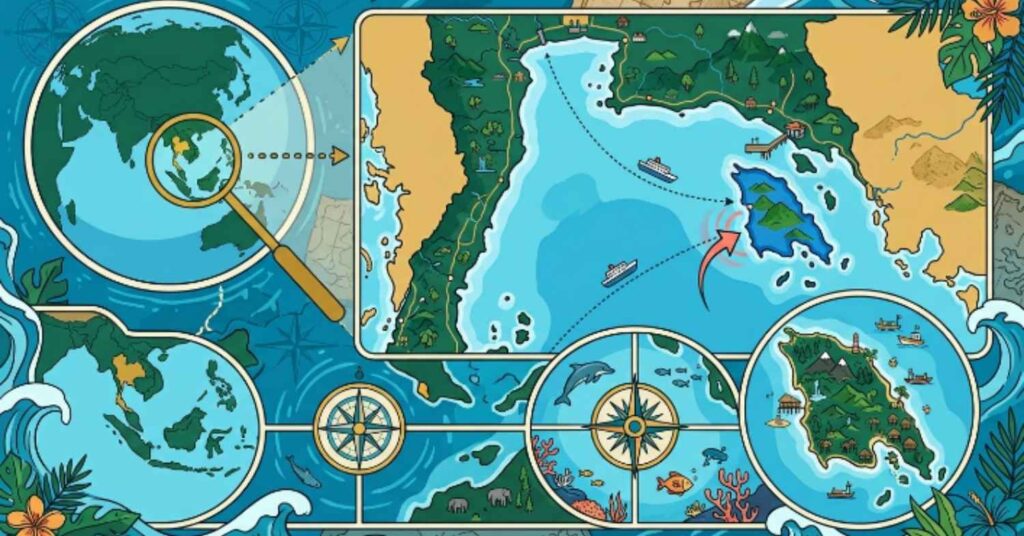
Koh Chang sits in Trat province, in the far eastern part of Thailand, close to the Cambodian border. It lies about 315 to 350 kilometres southeast of Bangkok, tucked inside Mu Ko Chang National Park along with more than 40 smaller islands.
Roughly 70 percent of Koh Chang is covered in dense rainforest and mountains, with Khao Salak Phet as the tallest peak. Most of the tourist infrastructure, resorts, restaurants, and beaches sit along the west coast, while the east coast remains quieter, home to fishing villages and mangrove forests. The island is separated from the mainland by a narrow strait, crossed by a short ferry ride from Laem Ngop district.
Best time to visit Koh Chang
The best time to visit Koh Chang is during the dry season, from November to April, when skies stay clear and the sea is calm enough for swimming, snorkelling, and island hopping.
- November to February: This is peak season. Expect low humidity, cooler evenings, and the busiest beaches and bars on the island. Book resorts early if you are travelling around Christmas or New Year.
- March to May: Temperatures climb, often reaching 32 to 35 degrees Celsius, but rainfall is still minimal. Mornings and evenings remain pleasant for exploring.
- June to October: This is the monsoon season. Rain tends to arrive in short, heavy bursts rather than lasting all day, so you can usually still enjoy a few dry hours. Many smaller guesthouses, dive shops, and beach bars close or reduce hours during this period, but hotel prices drop significantly, and the waterfalls are at their most powerful.
If your main goal is budget travel with fewer crowds and you do not mind occasional rain, the shoulder months of May, June, and October offer a good middle ground.
How to reach Koh Chang
Getting to Koh Chang involves reaching Trat province first, then taking a short ferry crossing to the island itself. There are three main routes.
- By air: Bangkok Airways operates several daily flights from Suvarnabhumi Airport to Trat Airport, taking about one hour. From Trat Airport, a taxi or shared minivan takes roughly 30 minutes to reach the ferry pier at Ao Thammachat.
- By bus or van: Buses and minivans leave regularly from Bangkok’s Ekkamai (Eastern) Bus Terminal, Mo Chit 2, and Suvarnabhumi Airport. The road journey to the pier takes around 5 to 6 hours, and many operators sell a single ticket that already includes the ferry crossing.
- By private car: Driving from Bangkok takes about 5 hours along Highway 7, then Highway 344 and Highway 3 through Chonburi and Chanthaburi toward Trat. Parking is available at the ferry piers if you plan to leave your car on the mainland.
Once you reach Ao Thammachat Pier, the ferry crossing to Koh Chang takes around 30 to 45 minutes. Ferries run from roughly 6:30 AM to 7:00 PM, and fares are generally around 80 baht per passenger and 120 baht per vehicle. If you are travelling from Cambodia, minivans connect directly from the Had Lek border crossing to the ferry pier as well.
How to go around Koh Chang
Koh Chang does not have public buses, so getting around requires a bit of planning.
- Scooter rental: The most popular and flexible option, usually costing 150 to 300 baht per day. Roads have some steep hills and sharp hairpin turns, particularly near the main ferry terminal and between Lonely Beach and Kai Bae, so ride cautiously, especially after rain.
- Songthaews: These shared pickup trucks act as informal taxis and can be flagged down along the west coast road. Prices are negotiable and rise after dark.
- Private taxi or driver hire: Convenient for families or those uncomfortable riding a scooter, and easy to arrange through your resort.
- Rental car: Available for those who prefer more stability on the hilly roads, particularly useful if you are travelling with children or exploring the east coast.
Where to Stay in Koh Chang
Each beach on Koh Chang has its own personality, so where you stay shapes the entire trip.
- White Sand Beach: The busiest and most developed strip, with the widest choice of restaurants, bars, and mid-range to upscale resorts. Good for first time visitors who want convenience.
- Klong Prao Beach: A long, quieter beach with a good mix of resorts, some overwater bungalows, and easy access to Klong Plu Waterfall. A favourite for sunset views.
- Kai Bae Beach: A family friendly middle ground between lively and laid back, with calmer waters near the viewpoint end.
- Lonely Beach: The backpacker hub, known for budget guesthouses, hostels, and a livelier nightlife scene.
- Bang Bao: A working fishing village on stilts, better suited for those who want a quieter, more local base and easy access to boat tours.
- Klong Kloi Beach and the south coast: The most secluded option, ideal for travellers who want distance from the crowds and don’t mind fewer dining choices nearby.
Things to do in Koh Chang
Koh Chang rewards travellers who mix beach time with a bit of adventure. Here are the best things to do in Koh Chang, organised so you can plan your days efficiently.
1. Beaches
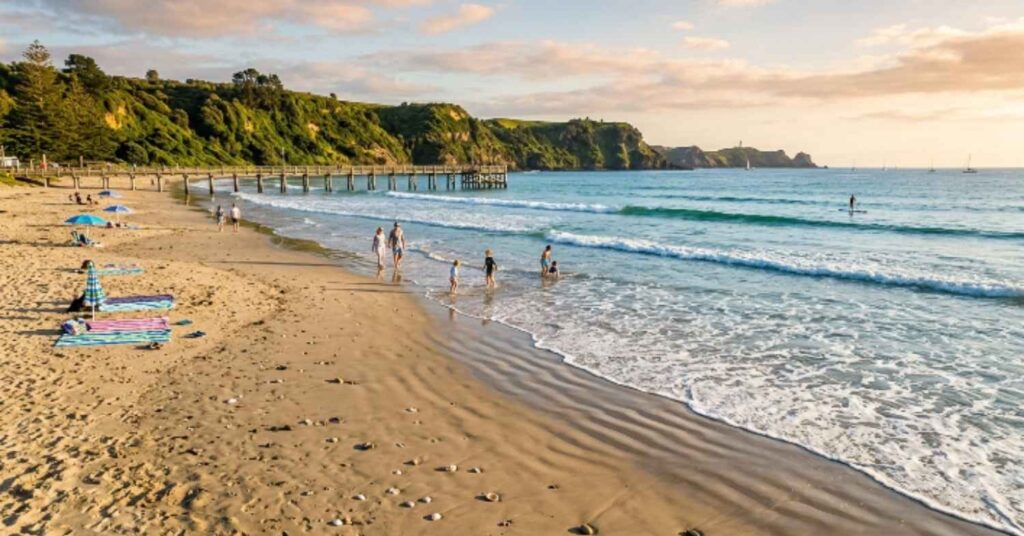
Beach hopping is the natural starting point for any Koh Chang itinerary. White Sand Beach offers soft sand and a lively strip of beach bars, while Klong Prao is longer, quieter, and better for long walks at sunset. Kai Bae suits families thanks to its calmer shallows, and Lonely Beach draws a younger crowd with its laid back bars right on the sand.
For something more secluded, head south to Klong Kloi Beach or hop over to Wai Chek Beach, both far removed from the main tourist strip. If you enjoy comparing beaches, spend one day on the busier west coast and another exploring the quieter southern shoreline.
2. Activities
Beyond lounging on the sand, Koh Chang has a genuinely impressive activity list for an island its size.
- Snorkelling and scuba diving: Boats head out to nearby islands like Koh Wai and Koh Rang, where visibility and coral cover are noticeably better than close to Koh Chang itself.
- Kayaking: Paddle through the mangroves at Salak Kok Bay for a calm, scenic way to see local wildlife.
- Zip lining: Tree Top Adventure Park offers zip lines, rope bridges, and a Tarzan swing through the jungle canopy.
- Trekking: Guided jungle treks, often led by local operators, take you through rainforest trails, past streams, and up to viewpoints most visitors never see.
- Muay Thai: Watch a live match at the local boxing stadium, complete with the traditional Wai Khru pre-fight ceremony, usually held on Saturday nights.
- Spa and massage: Traditional Thai massage is widely available and inexpensive, a good way to recover after a day of trekking or diving.
3. Waterfalls
Koh Chang has seven accessible waterfalls scattered across its mountainous interior, though only two sit inside the national park and charge an entrance fee (around 200 baht for foreign adults, with one ticket valid for both on the same day).
- Klong Plu Waterfall: The island’s most popular and easiest to reach, located near Klong Prao. A short, well maintained trail leads to a swimmable pool at the base.
- Than Mayom Waterfall: On the east coast, historically significant as two former Thai kings carved their initials into the rocks here. It has four tiers, though only the lower two are easily accessible.
- Khiri Phet Waterfall: A multi tiered waterfall near Salak Phet village, popular with hikers willing to climb higher for better views.
- Klong Nueng Waterfall: The tallest on the island, but harder to reach, so a local guide is recommended.
Visiting during or just after the rainy season gives you the fullest, most powerful flow, though the pools remain refreshing even in the dry months.
4. Island Tour
A day trip to the surrounding islands is one of the best things to do in Koh Chang for anyone who loves the water. Boats typically depart from Bang Bao pier and stop at Koh Wai, Koh Mak, and sometimes Koh Rang, where the snorkelling is considerably better than around Koh Chang itself thanks to healthier coral reefs.
Full day tours usually include lunch, snorkelling gear, and stops at two or three islands, making them good value for the amount of ground covered. Speedboat tours move faster and reach more islands in a day, while slower long tail boat trips suit travellers who prefer a relaxed pace over ticking off multiple stops.
5. Local Villages
For a change of pace from the beaches, spend an afternoon in one of Koh Chang’s fishing villages. Bang Bao, built entirely on stilts over the water, is the most visited, with a wooden boardwalk lined with seafood restaurants, small shops, and guesthouses.
Salak Kok, on the east coast, is quieter and known for its community based kayaking tours through the mangroves, run by local fishing families. Salak Phet, the island’s largest fishing village, offers an even more authentic, unhurried look at how coastal communities here actually live, away from the tourist trail.
6. Wat Salak Petch
Wat Salak Petch is a Buddhist temple located in the Salak Phet area on the island’s southeastern coast. It is a working temple rather than a tourist attraction built for visitors, which makes it a good stop for anyone interested in seeing everyday Thai religious life up close.
The temple grounds are modest but peaceful, and the drive there takes you through some of the island’s less developed scenery, including rubber plantations and small local communities. Dress modestly, covering shoulders and knees, as is expected at any temple in Thailand.
7. Mangrove Walkaway
The Salak Phet Mangrove Walkway is a red painted wooden boardwalk that winds roughly 800 metres through a dense mangrove forest to a viewing deck overlooking the bay. It is one of the more underrated things to do in Koh Chang, offering a close look at crabs, mudskippers, and occasionally rare birds without needing a boat or a guide.
The walkway is signposted from Wat Salak Petch, following a paved road past fish ponds to a small parking area where the trail begins. It is flat, shaded in parts, and manageable for most fitness levels, making it a relaxed midday activity between more strenuous excursions.
8. Nightlife
Koh Chang’s nightlife varies significantly depending on which beach you choose. Lonely Beach is the clear centre of the party scene, with beach bars, fire shows, and late night music that runs well past midnight. White Sand Beach offers a calmer but still lively mix of bars and live music venues, better suited to travellers who want a drink without an all night party.
For something quieter, Klong Prao and Kai Bae have a handful of relaxed beachfront bars ideal for watching the sunset with a cocktail. If you want built in entertainment, several resorts host weekly fire shows or acoustic sets, so it is worth checking your accommodation’s schedule.
What not to do in Koh Chang
A few common mistakes can turn a great trip into a frustrating one.
- Don’t ride a scooter without experience. The hilly, winding roads catch out even confident riders, especially after rain. Wear a helmet and drive slowly on descents.
- Don’t skip travel insurance. Scooter accidents are common enough on Thai islands that most travel insurers specifically ask about motorbike use.
- Don’t underestimate the east coast roads. They are quieter but less maintained, so give yourself extra time if you are heading to Than Mayom or the mangrove walkway.
- Don’t swim during red flag warnings. Strong currents appear on some beaches during the monsoon season.
- Don’t feed or touch wildlife, including monkeys near the waterfalls, as this encourages aggressive behaviour toward other visitors.
- Don’t assume every beach has ATMs or pharmacies nearby. Stock up on cash and essentials before heading to quieter beaches like Klong Kloi.
- Don’t book everything before arriving. Weather can change activity availability, particularly boat tours during the rainy season, so keep at least a couple of days flexible.
Facilities in Koh Chang
Koh Chang is well equipped for tourism along the west coast, though facilities thin out the further east or south you travel.
- Healthcare: Koh Chang Hospital, a public facility, is located in Dan Mai, with several private clinics near White Sand Beach and Lonely Beach for minor issues.
- ATMs and currency exchange: Widely available in White Sand Beach, Klong Prao, Kai Bae, and Lonely Beach, but scarce on the east and south coasts.
- Internet and connectivity: Most resorts and cafes offer free Wi-Fi, and Thai SIM cards with data are cheap and easy to buy at the ferry pier or in 7-Eleven stores.
- Convenience stores: 7-Eleven branches are common along the main west coast road, useful for snacks, sunscreen, and basic supplies.
- Dining: Options range from simple beachfront noodle stalls to upscale seafood restaurants, with fresh catch widely available in Bang Bao and Salak Phet.
- Fuel stations: Regular petrol stations exist near White Sand Beach, though small roadside fuel stalls selling bottled petrol are common elsewhere on the island.
FAQs
Is Koh Chang worth visiting?
Yes. Koh Chang offers a rare mix of quiet, jungle covered scenery and developed tourist facilities, making it a strong alternative to busier islands like Phuket or Koh Samui.
How many days do you need in Koh Chang?
Four to five days is enough to cover the main beaches, a waterfall, and an island tour, though a week allows for a more relaxed pace.
Is Koh Chang better than Koh Samui?
Koh Chang suits travellers who want jungle trekking and quieter beaches, while Koh Samui offers more nightlife and easier international flight access.
Do you need a passport to visit Koh Chang?
No passport is required to travel within Thailand, but keep a copy of your passport handy, as some hotels and national park entrances ask for identification.
Is Koh Chang safe for solo travellers?
Yes, Koh Chang is generally considered safe, though normal precautions apply around scooter driving and swimming during rough sea conditions.
Can you drink tap water in Koh Chang?
No, stick to bottled or filtered water, which is inexpensive and available everywhere on the island.

Theodore Henry is the founder and administrator of TravelsHexa.com, where he shares reliable travel guides, destination insights, and practical tips to help travelers plan memorable journeys. Passionate about exploring new places, Theodore focuses on providing well-researched, accurate, and easy-to-follow travel content that inspires readers to travel smarter and with confidence.